


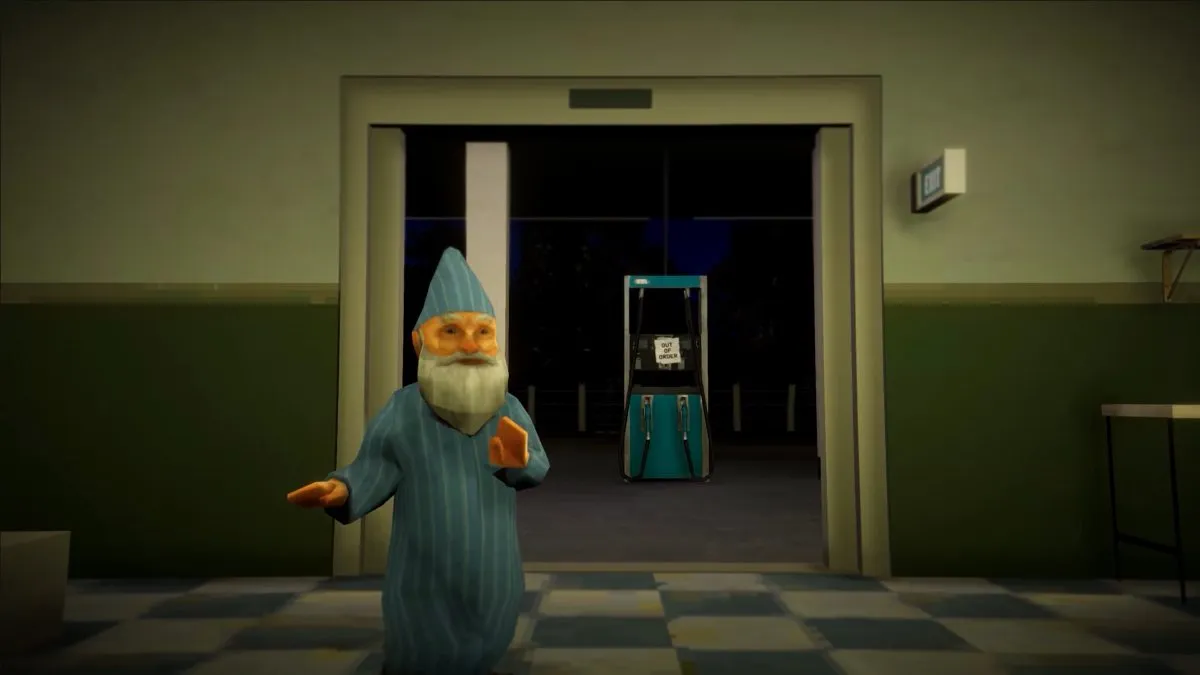
The peculiar plight of a night shift worker in Shift at Midnight transcends the mundane reality of retail, thrusting players into a desperate battle for survival against doppelgangers, monstrous entities, and the constant pressure of maintaining an immaculate store. All this, the game posits, is in service of a singular, albeit unconventional, goal: saving a beloved pet. Amidst the surreal landscape of fake humans, grotesque monsters, and an arsenal featuring bear traps, wooden planks, and grenades, it is the escalating medical bills for the pet that emerge as perhaps the most strikingly unrealistic element of the experience. This simulation, eerily reminiscent of the author’s own four years in retail, presents a complex web of objectives, with the ultimate fate of both the player and their companion determined by strategic financial management and a crucial endgame decision. This comprehensive guide aims to elucidate the mechanics behind achieving all possible endings in Shift at Midnight.
The game’s narrative unfolds over thirteen intense night shifts, during which players must not only fend off supernatural threats but also diligently manage their in-game finances. The overarching objective is to accumulate a substantial sum of $250 to cover the exorbitant medical expenses for the player’s ailing pet, a requirement that becomes critically apparent after the tenth shift, when players receive a stark warning about impending surgery. The culmination of these efforts, and the player’s choices on the twelfth and thirteenth nights, directly dictate which of the available endings will be unlocked. This financial goal is distinct from the store’s revenue, which can be reinvested in crucial upgrades and the acquisition of tools or weaponry essential for survival.
Understanding the Financial Framework
Each completed shift in Shift at Midnight provides a baseline daily wage of $10. This modest income is supplemented by a ten percent commission on the store’s revenue, contingent on the player successfully exceeding the day’s sales quota. This dual income stream is the primary engine for accumulating the funds necessary to meet the escalating medical costs. The urgency of these expenses escalates dramatically as the game progresses, with the critical surgery for the pet scheduled for night 13.
The decision to use earned money for immediate pet care, such as administering medicine to allow the pet to join the next shift, presents a strategic dilemma. While a healthy pet can offer invaluable assistance, particularly for solo players navigating the game’s perilous environments, such expenditures directly detract from the personal funds required for the final, life-saving surgery. A careful balance must be struck; prioritizing the pet’s immediate comfort may jeopardize its long-term survival if sufficient funds are not reserved for the ultimate procedure.
The Thirteen-Shift Narrative Arc
The core gameplay loop of Shift at Midnight is structured around a thirteen-shift narrative mode. Throughout these shifts, players are tasked with the dual responsibilities of retail management and survival. The primary objective within this narrative framework is the accumulation of $250. This financial target serves as the linchpin for achieving the game’s various conclusions. The player’s success or failure in reaching this monetary goal, coupled with a pivotal decision made on the twelfth night, will determine the specific ending that unfolds.
Navigating the Endings: A Comprehensive Breakdown
The game presents players with three distinct endings, each stemming from a critical juncture in the narrative and the player’s financial standing. These endings are not merely cosmetic variations; they represent fundamentally different outcomes for the player, their pet, and the enigmatic Sheriff Clyde.
Grave Decision: The Sheriff’s Sacrifice
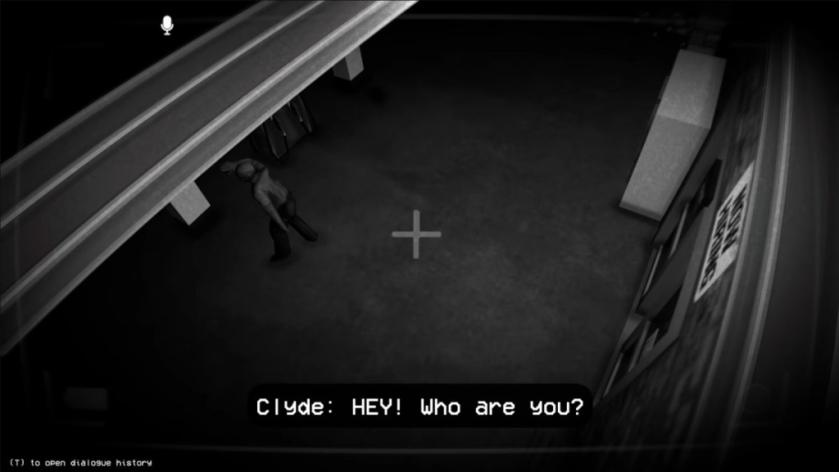
The "Grave Decision" ending is triggered by a specific choice made on the twelfth night. Following the completion of this shift, players are presented with the option to contact Sheriff Clyde. If the player opts to call the Sheriff, acknowledging their inability to secure the necessary funds for the pet’s surgery, Clyde will arrive at the store. This intervention, however, comes at a significant personal cost. While Clyde’s presence ensures the pet receives the life-saving surgery, he tragically perishes in the ensuing events. This ending underscores a narrative where sacrifice is made for the well-being of a loved one, albeit at the expense of another life. The player is left to contend with the consequences of this choice, having secured their pet’s survival through a grim bargain.
Empty Home: A Solitary Survival
The "Empty Home" ending represents the bleakest outcome in Shift at Midnight. This conclusion is reached by deviating from the path that leads to the "Grave Decision." Specifically, players must choose not to call Sheriff Clyde on the twelfth night. Simultaneously, they must have failed to accumulate the required $250 for the pet’s surgery. In this scenario, Sheriff Clyde is spared the perilous journey to the store on the thirteenth shift, as he is never contacted. However, the absence of financial resources means the pet does not receive the critical surgery and succumbs to its ailment. This ending emphasizes a narrative of loss and the devastating consequences of financial unpreparedness, leaving the player alone in the aftermath of their failures.
True Ending: A Shared Victory
The "True Ending" signifies the most successful and fulfilling conclusion to Shift at Midnight. To achieve this optimal outcome, players must carefully manage their actions and finances throughout the thirteen shifts. Crucially, on the twelfth night, players must refrain from contacting Sheriff Clyde. This decision ensures Clyde’s safety and allows for the possibility of a shared victory.
Similar to the mechanics in the game HELLMART, the path to the "True Ending" hinges on the player’s ability to maintain a high level of customer satisfaction and operational efficiency within the store. This involves diligently cleaning the premises, meticulously restocking shelves with merchandise, and strategically decorating the store to enhance its appeal. Furthermore, players are incentivized to complete special requests from the Store Manager. These assignments, which can range from apprehending shoplifters to clearing out hazardous elements from the surrounding forest, offer valuable bonuses that contribute significantly to the player’s financial accumulation.
By the thirteenth night, players must have successfully amassed the $250 required for the pet’s surgery. The key distinction of this ending lies in the confluence of financial success and the preservation of life. Both Sheriff Clyde and the player’s pet survive, culminating in a shared victory that reflects the player’s competence, resourcefulness, and strategic foresight. It is imperative to avoid any accidental harm to Sheriff Clyde during his eventual visit, as such an event would preclude the possibility of contacting him on the final day and thus lock the player out of this most desirable ending.
Strategic Considerations for Maximizing Earnings
To consistently achieve the highest possible earnings per shift, players must adopt a proactive and efficient approach to their duties. The game penalizes players for resorting to violence against human entities, resulting in deductions from their nightly pay. Therefore, prioritizing non-lethal methods of dealing with threats and focusing on core retail responsibilities is paramount. Every shift presents an opportunity to optimize earnings through diligent task completion.
The game’s economy is designed to reward players who effectively balance their survival efforts with their retail obligations. The daily wage, while a steady income source, is insufficient on its own to cover the substantial medical expenses. The ten percent commission on revenue exceeding the daily quota is where the real financial gains are made. This necessitates a keen understanding of customer flow, inventory management, and the strategic use of store upgrades to boost sales. For instance, investing in better lighting can increase customer traffic, while improved shelving can lead to more impulse purchases. Similarly, maintaining a clean and organized store not only deters certain negative events but also contributes to a more pleasant shopping experience, potentially leading to higher customer spending.
The Store Manager’s requests serve as a critical avenue for bonus income. These tasks, often involving elements beyond the immediate scope of store operations, such as pest control or minor construction, provide a significant financial boost. Successfully completing these side objectives can often be the difference between meeting the surgery deadline and falling short. Players who meticulously address these requests are more likely to find themselves in a financially secure position by the game’s climax.
Broader Implications and Player Reception
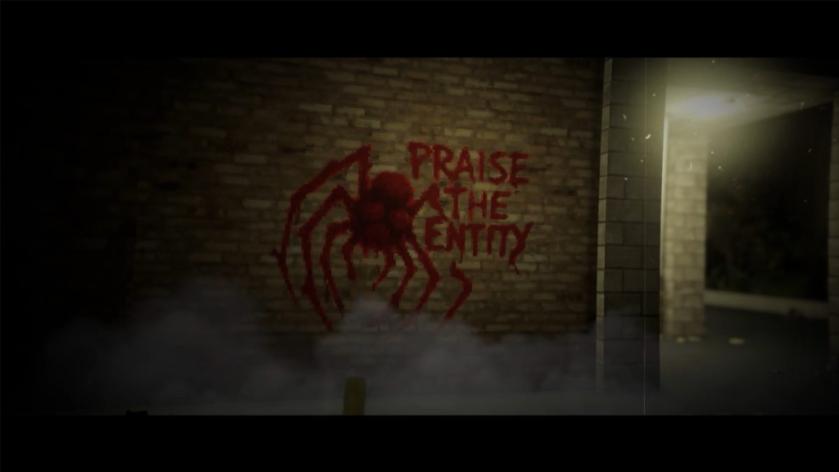
The narrative premise of Shift at Midnight, with its blend of mundane retail simulation and supernatural survival, has resonated with a segment of the gaming community. The emphasis on financial management as a core gameplay mechanic, directly tied to the emotional stakes of a pet’s health, offers a unique twist on the survival genre. Critics have noted the game’s ability to create a compelling sense of urgency, forcing players to make difficult choices under pressure.
The game’s design intentionally juxtaposes the absurdity of its survival elements with the relatable anxieties of everyday life, particularly the financial burden of pet care. This juxtaposition has been a point of discussion, with some players finding it darkly humorous and others appreciating its unexpected emotional depth. The varied endings provide a strong incentive for replayability, encouraging players to experiment with different strategies and choices to uncover all possible narrative outcomes. The success of Shift at Midnight suggests a growing interest in games that can weave together unconventional themes and mechanics to create memorable and engaging experiences. The game’s financial system, while exaggerated for dramatic effect, touches upon real-world concerns, adding a layer of relatable stress to the fantastical scenario. The meticulous management of funds, alongside the desperate fight for survival, creates a unique gameplay loop that challenges players on multiple fronts.