


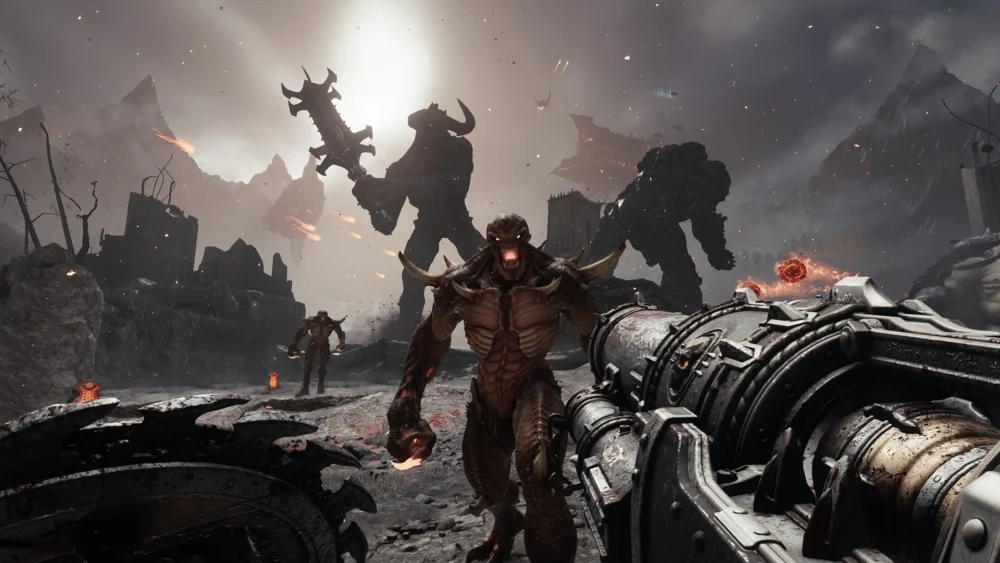
Reports from id Software indicate that the highly anticipated downloadable content (DLC) for DOOM: The Dark Ages is poised to be an exceptionally substantial expansion, with its director, Hugo Martin, likening its scope to that of a full-fledged sequel. This revelation comes nearly a year after the main game’s launch on platforms including Xbox Game Pass, igniting considerable discussion within the gaming community regarding the future trajectory of the iconic demon-slaying franchise.
Awaiting the Next Chapter: Director’s Candid Remarks
The primary information regarding the forthcoming DOOM: The Dark Ages DLC emerged from a recent Slayers Club livestream, where Hugo Martin, the director of the title, offered a rare glimpse into the development team’s ambitions. Martin addressed the extended period since the main game’s release, acknowledging the player base’s patience while reassuring them that the wait is for a significant reason. His direct quote emphasized the expansion’s magnitude: "It’s massive […] Look, guys, I know that it’s been ultimately a while since we shipped the main game and you’re waiting for the DLC, but just know that it’s freaking huge. It’s basically like a sequel. I mean, that’s what it feels like, it’s just ginormous."
This statement is particularly noteworthy for two reasons: the sheer scale implied by "like a sequel" and the suggestion that the content will diverge significantly from the main campaign. Martin explicitly stated that the expansion is "nothing like" the main Dark Ages campaign, indicating a potentially radical shift in gameplay, narrative, or thematic focus. Such a bold claim from a director known for pushing boundaries within the DOOM universe naturally fuels speculation and excitement among fans.
Chronology of Anticipation: From Launch to DLC Hype
The journey for DOOM: The Dark Ages began with its official announcement, promising a return to the visceral, fast-paced combat that defines the series, albeit with a fresh, medieval-inspired aesthetic. The game launched approximately a year ago, with Bethesda and id Software having pre-emptively confirmed plans for post-release campaign expansions. This initial commitment set an expectation for additional content, which has now been amplified by Martin’s recent comments.
The timeline of events leading to this point can be summarized as follows:
- Initial Announcement & Release: DOOM: The Dark Ages was unveiled and subsequently released, garnering attention for its unique blend of classic DOOM gameplay with a "Dark Ages" setting, featuring elements like shield-blades and giant mechs. Its availability on Xbox Game Pass from day one further broadened its reach.
- Post-Launch Promise: Alongside the main game’s release, developers confirmed that a campaign expansion was in the pipeline for a later date, providing a roadmap for continued engagement.
- Period of Silence & Development: The subsequent months saw a relative quiet period regarding the DLC’s specifics, characteristic of the intensive development cycles required for high-quality game content.
- Hugo Martin’s Revelation: The recent Slayers Club livestream served as the first substantive update on the DLC’s progress and scope, dramatically raising expectations.
- Anticipated Reveal: While no concrete release window or official reveal date has been provided, the director’s openness suggests that a more formal announcement, possibly including gameplay footage and story details, might be imminent.
This chronological progression highlights the typical development cycle for major game expansions, where a significant period of internal work precedes public announcements, especially for content described as being of "sequel" quality.
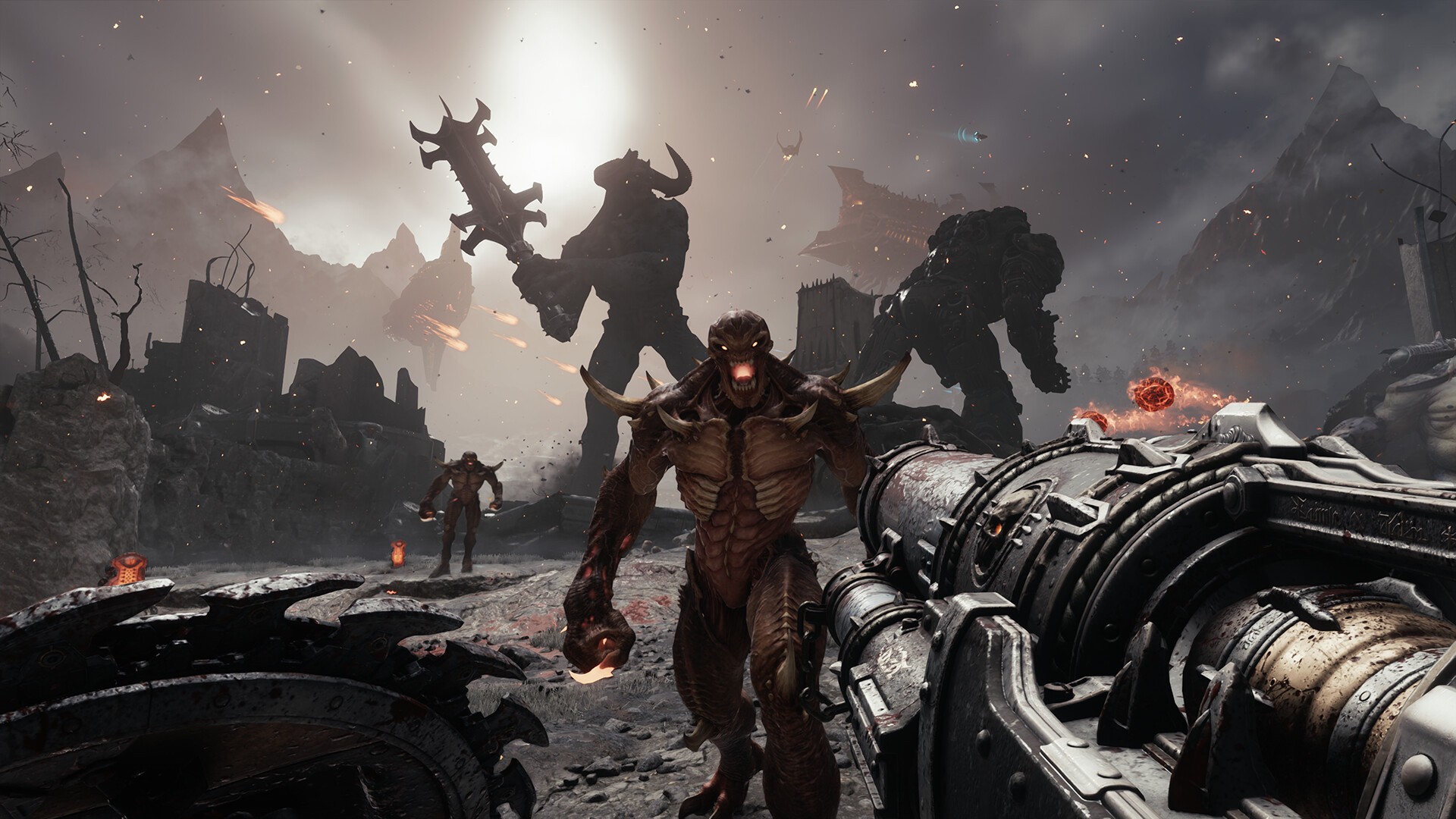
The Significance of "Like a Sequel": Industry Context and Player Expectations
The descriptor "like a sequel" for a DLC is not merely hyperbole; it carries substantial weight in the video game industry. Historically, major expansions that earn such comparisons, like The Witcher 3: Wild Hunt‘s Blood and Wine or Red Dead Redemption‘s Undead Nightmare, often deliver:
- Extensive New Content: This includes numerous hours of gameplay, new environments, enemy types, weapons, and challenges that significantly expand the core game’s offerings.
- Deep Narrative Arcs: A "sequel-like" DLC often presents a self-contained story that either continues the main game’s plot in a meaningful way or explores an entirely new facet of its universe, complete with new characters and lore.
- Refined Mechanics or New Systems: Developers might introduce new gameplay mechanics or evolve existing ones to a degree that feels fresh and innovative, pushing the boundaries established by the base game.
- High Production Value: Such expansions typically receive the same level of polish and attention to detail as a full-priced title, justifying their premium pricing or the extended development time.
For DOOM: The Dark Ages, this implies that id Software is not merely adding a few extra levels but is potentially crafting a significant new chapter that could redefine aspects of the game or its lore. Given id Software’s pedigree for pushing technical and design boundaries, a "sequel-like" expansion suggests a commitment to delivering an experience that goes beyond typical DLC expectations.
"Nothing Like" the Main Campaign: Exploring Design Diversification
Hugo Martin’s assertion that the DLC is "nothing like" the main Dark Ages campaign opens the door to fascinating possibilities. This could manifest in several ways:
- Environmental Diversity: While The Dark Ages introduced a medieval, demon-infested world, the DLC might transport players to entirely new dimensions, time periods (within the ‘Dark Ages’ concept), or even distinct biomes that present different visual and tactical challenges.
- Gameplay Mechanics: The core DOOM loop of "push forward, rip and tear" is fundamental, but the expansion could introduce new traversal methods, stealth elements (unlikely for DOOM, but possible within a new context), unique environmental puzzles, or even more profound RPG-lite elements. The "Dark Ages" setting itself offers opportunities for unique melee focus or siege mechanics not fully explored in the base game.
- Narrative Perspective: Could players temporarily assume the role of a different character, offering a fresh perspective on the conflict? Or perhaps the narrative will delve into previously unexplored corners of the DOOM mythos, expanding on the lore introduced in The Dark Ages.
- Enemy Design and AI: New enemies are a given, but "nothing like" could imply entirely new classes of demons with different attack patterns, vulnerabilities, or even unique boss encounters that require novel strategies.
This commitment to diversification suggests that id Software is keen to prevent player fatigue and offer a truly distinct experience that justifies the "sequel-like" description. It aligns with a broader industry trend where successful games aim to keep their communities engaged through innovative post-launch content rather than relying solely on incremental additions.
Broader Impact and Implications for the DOOM Franchise and Xbox Game Pass
The development of such a monumental DLC for DOOM: The Dark Ages carries significant implications for several stakeholders:
For id Software: It underscores the studio’s ambition and its dedication to iterating and expanding upon its successful franchises. Developing a "sequel-like" expansion requires substantial resources, talent, and time, indicating a strong commitment from the studio and its publisher, Bethesda. It also serves as a testament to id Software’s creative freedom under the Microsoft umbrella, allowing them to pursue expansive visions for their titles.
For Bethesda and Microsoft: A critically acclaimed, massive DLC can significantly extend the lifecycle of a game, driving continued sales of the base game and the expansion itself. For Xbox Game Pass, a "sequel-sized" DLC for a major title like DOOM is a powerful value proposition. It encourages new subscriptions, retains existing subscribers, and showcases the platform’s ability to deliver premium content. The initial offering of a "Premium Upgrade" for DOOM: The Dark Ages at a significant discount also suggests a strategic move to lock in early commitment from players, anticipating the value of this upcoming content. This model, where players can pre-purchase access to future, significant content, leverages consumer anticipation.

For the DOOM Franchise: This expansion could further solidify DOOM: The Dark Ages as a pivotal entry in the series, bridging narratives or introducing elements that could influence future standalone titles. The "Dark Ages" setting itself has been a departure, and a large-scale expansion could either double down on this aesthetic or use it as a springboard for even more imaginative directions, keeping the franchise fresh and unpredictable. The success of such a large DLC could also inform id Software’s approach to future DOOM projects, potentially favoring more expansive post-launch support.
For the Player Community: The announcement has undoubtedly galvanized the DOOM fanbase. Forums, social media, and gaming news sites are abuzz with theories and discussions. Players who have been eagerly awaiting new content will likely view this as a vindication of their patience, while new players might be drawn to the game knowing that a substantial expansion awaits them. The prospect of an experience "nothing like" the main campaign also fosters a sense of discovery and novelty, critical for maintaining long-term player engagement.
The Economic Model: Premium Upgrades and Game Pass Synergy
The mention of the DOOM: The Dark Ages Premium Upgrade, previously offered at a "massive discount," highlights an increasingly common economic model in the gaming industry. This strategy allows publishers to generate revenue from future content early, while offering players a perceived value proposition. When the promised content turns out to be "sequel-like," as Martin suggests, the initial investment for those who purchased the upgrade becomes even more attractive, reinforcing consumer trust and loyalty.
For Xbox Game Pass subscribers, the inclusion of such a substantial DLC as part of their subscription (or at a reduced price if they purchased the upgrade) significantly enhances the value of the service. Game Pass thrives on offering a continuous stream of high-quality content, and a "freaking huge" DOOM expansion fits this strategy perfectly. It serves as a compelling argument for both new sign-ups and ongoing renewals, especially in a competitive subscription market.
Concluding Outlook: A New Standard for DOOM Expansions?
While specific details regarding release timing, gameplay mechanics, and narrative elements remain under wraps, Hugo Martin’s unequivocal statements paint a clear picture: the upcoming DOOM: The Dark Ages DLC is not merely an add-on but a monumental undertaking designed to significantly expand and diversify the game’s universe. The promise of content that feels "like a sequel" and is "nothing like" the main campaign sets an incredibly high bar for id Software, a challenge they appear eager to meet.
The gaming community now waits with bated breath for the official reveal, which, given the director’s recent openness, is hoped to be "ASAP." This expansion is poised not only to rekindle interest in DOOM: The Dark Ages but also to potentially set a new standard for post-launch content in the AAA gaming landscape, further cementing the DOOM franchise’s legacy as a pioneer in relentless, innovative action. The implications for player engagement, the Xbox Game Pass ecosystem, and the future creative direction of id Software are substantial, making this DLC one of the most anticipated releases in the coming months.