


The pursuit of mastery in video games has evolved significantly, yet the core desire to overcome daunting challenges remains a potent force for players. This drive, once satisfied by the pixelated struggles of early console titles, now finds its expression in the intricate designs of modern "soulslikes" and demanding indie productions. While the landscape of challenging games has broadened, the quest for that deeply rewarding sense of accomplishment after conquering a seemingly insurmountable obstacle continues to define a significant segment of the gaming community.
For many, the journey into difficult games began in childhood. Titles like Crash Bandicoot’s notoriously challenging "Cold Hard Crash" level, the precise platforming required for Spyro the Dragon’s "Tree Tops," and the brutal permadeath mechanics of The Lost World: Jurassic Park on PlayStation 1 were early, formative experiences. These games, while simplistic by today’s standards, instilled a unique resilience and problem-solving approach. The pursuit of "Platinum" trophies in games like TimeSplitters, requiring players to achieve near-perfect execution across various challenges, further solidified this dedication to pushing boundaries.
This foundational experience has paved the way for contemporary titles that have captured the zeitgeist of challenging gameplay. Games such as Elden Ring, Nine Sols, and Fear & Hunger have become benchmarks for difficulty, attracting players not just through nostalgia, but through the promise of profound personal achievement. The visceral satisfaction derived from overcoming formidable bosses, often heralded by in-game declarations like "PREY SLAUGHTERED," fuels an insatiable appetite for more. This continuous demand for greater challenges has led developers to explore new mechanics and design philosophies to meet player expectations.
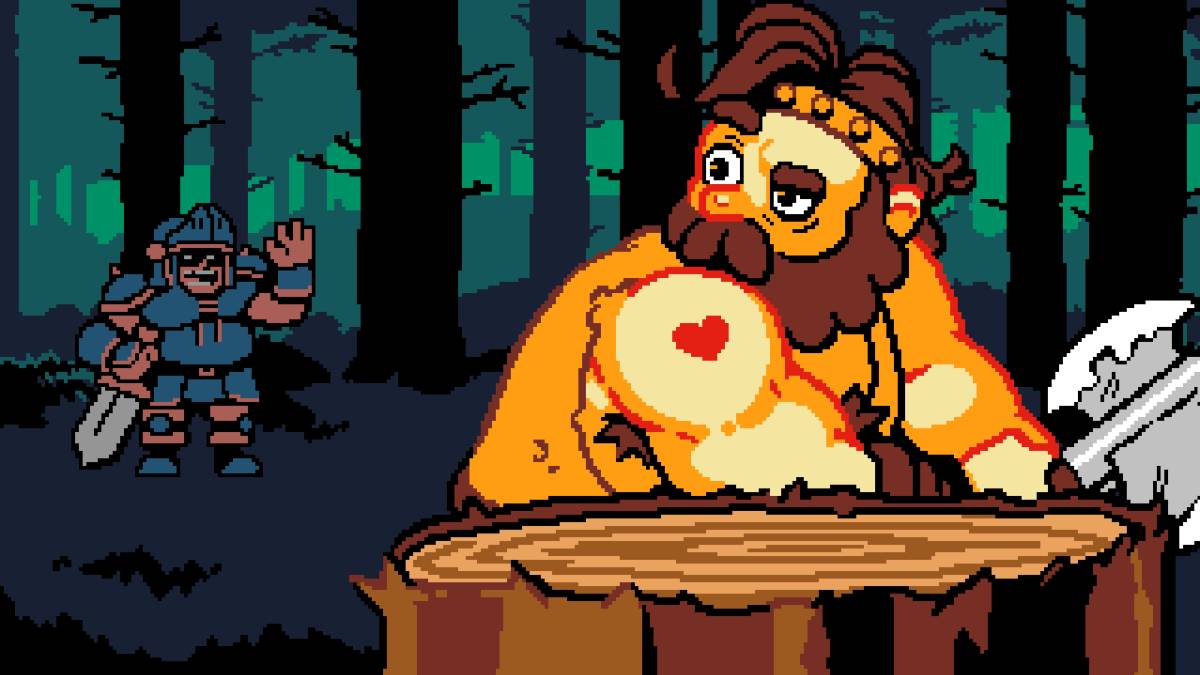
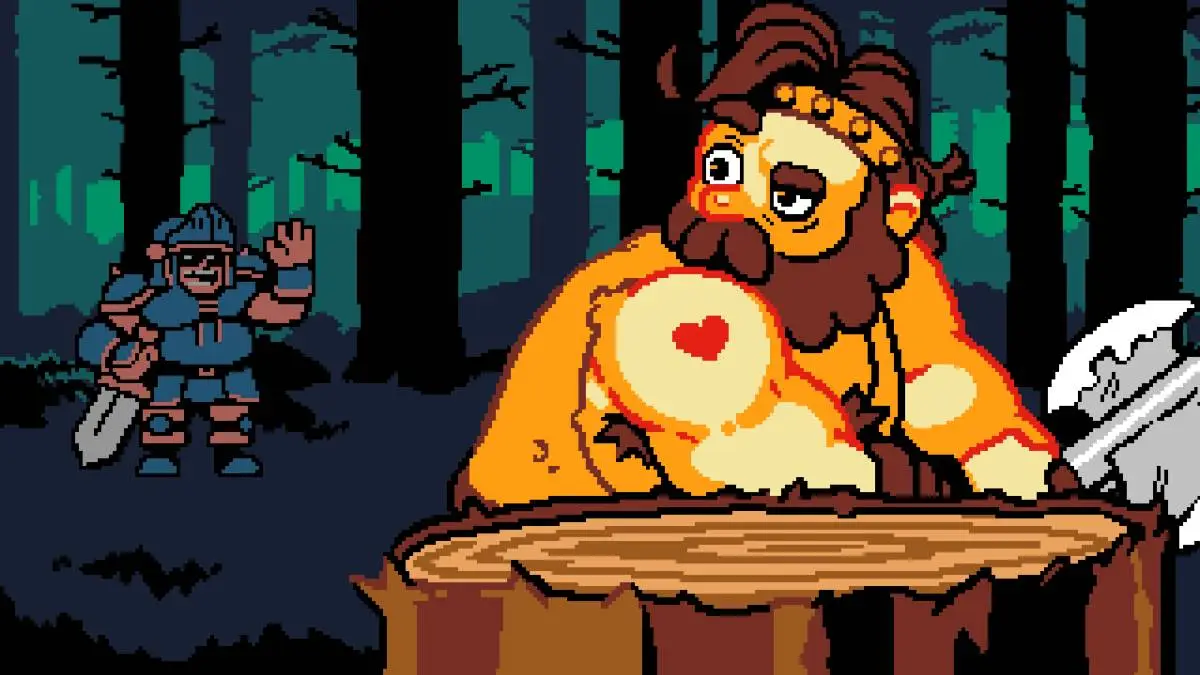
A recent entry into this demanding genre is doinksoft’s Dark Scrolls. Aesthetically, the game presents a charming, retro-inspired 2D world characterized by vibrant animation and a deceptively simple control scheme of only three buttons. Developer doinksoft, known for titles like Gato Roboto, Demon Throttle, and the critically acclaimed Gunbrella, has a proven track record of creating engaging and visually appealing games. Dark Scrolls initially promises a similarly addictive experience, incorporating hidden secrets and a unique progression mechanic designed to maintain player engagement.
However, Dark Scrolls exhibits a design that, while rooted in retro simplicity, presents a curious dichotomy. The auto-scrolling nature and the core gameplay loop of its three-button system can, at times, feel repetitive. Yet, this deliberate simplicity is accompanied by a learning curve reminiscent of early PlayStation 1 2D platformers. The game eschews explicit tutorials and hand-holding, a design choice that stands in contrast to many modern titles. This approach necessitates a period of experimentation for players to grasp the mechanics, understand the unique ultimate abilities and perk systems of its three distinct starting characters, and ultimately, to engage with the game’s inherent challenge.
The inclusion of numerous secrets and hidden areas serves as a significant incentive for repeated playthroughs. Players are encouraged to explore, discover new bosses, and uncover mysterious items whose purpose is initially unclear. While these elements contribute to the game’s replayability, certain design choices, such as the peculiar decision to use honking sounds instead of dialogue for in-game communication, can be perceived as quirky or even jarring.
The most significant critique leveled against Dark Scrolls, however, lies in its difficulty curve. Once players internalize the fundamental mechanics and discover certain exploitable strategies, the game’s challenge rapidly diminishes. This is a critical issue for a title that appears to be built around the premise of overcoming adversity. The ease with which certain "cheese" strategies can be employed, such as repeatedly utilizing a specific character’s invulnerability frames against bosses, undermines the intended arduousness of the experience. The discovery of such exploits within a relatively short playtime—reportedly within two hours for some players—can lead to a sense of anticlimax, even a degree of personal shame for having circumvented the intended struggle.
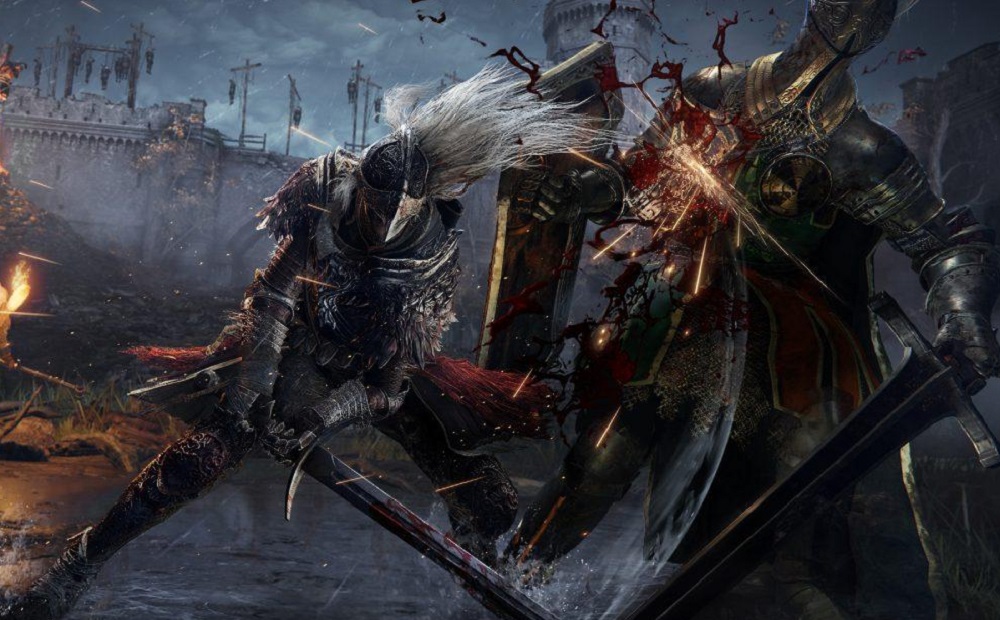
This leads to a broader discussion about what constitutes a truly challenging game. Titles that foster an "existential crisis," as the original author described, are those that push players to their absolute limits, forcing introspection and adaptation. Games like Sekiro: Shadows Die Twice and Elden Ring are often cited as examples where the difficulty is not merely a barrier but a core design philosophy. These games demand immense patience, meticulous observation, and a willingness to learn from repeated failure. The satisfaction derived from overcoming such challenges is often equated to significant personal achievements, akin to participating in an Olympic event or venturing into space, representing a profound test of human perseverance and skill.
In this context, Dark Scrolls, despite its charming presentation and commendable commitment to a retro aesthetic, falls short of delivering the deep, enduring challenge that many players actively seek. While it offers an enjoyable experience in short bursts, particularly for players who relish exploration and discovery, it ultimately fails to sustain the level of difficulty that would foster that profound sense of accomplishment.
The comparison to Cuphead becomes particularly salient in this discussion. Cuphead, developed by Studio MDHR, is a standout example of a modern game that successfully captures the spirit of relentless, demanding gameplay. Its notoriously difficult boss battles and platforming sections have become legendary, even leading to humorous anecdotes about game journalists struggling with its initial stages. Cuphead‘s challenge is framed not just by difficulty but by an absolute demand for precision and perfection. Each encounter is a meticulously crafted gauntlet, requiring players to internalize attack patterns, react with split-second timing, and maintain unwavering focus. The game’s stunning hand-drawn animation and jazz-infused soundtrack provide a captivating backdrop to this demanding experience, but they never detract from the core challenge.
The experience of playing Cuphead is described as a near-constant state of intense focus, where minutes feel like years as players strive for mastery. This is a stark contrast to games where the mind can wander, or where exploits can be readily discovered. In Cuphead, the player is expected to be fully immersed, every frame of animation and every musical cue playing a role in the complex dance of survival and victory. This level of engagement, where failure is a constant companion but perseverance is rewarded with tangible growth in skill, is what many players consider the pinnacle of challenging game design.

The current landscape of gaming often sees deeply challenging experiences primarily confined to genres like Metroidvanias and Soulslikes, with notable exceptions like Cuphead. While developers like FromSoftware have perfected the art of the demanding RPG, there remains a significant player base yearning for more titles that offer the kind of unyielding, frame-perfect challenge that Cuphead so masterfully delivers. This persistent desire for such experiences suggests a fundamental aspect of player psychology: the innate human drive to test limits, to strive for perfection, and to derive profound satisfaction from achieving the seemingly impossible. Without such offerings, many dedicated gamers might find themselves revisiting older consoles or seeking out niche titles that promise that same level of intense, rewarding struggle. The search for a truly unique and insurmountable challenge continues to be a driving force in the evolution of game design and player engagement.