


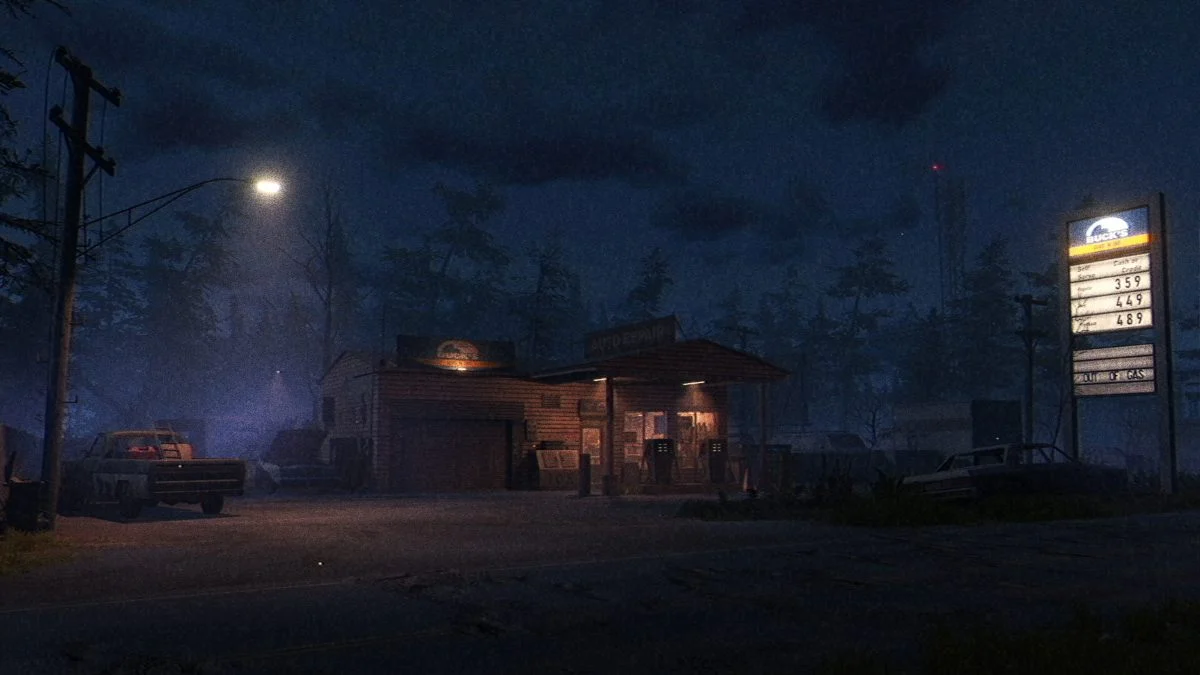
The landscape of cooperative horror gaming, often perceived as a stagnant pool of familiar tropes, may be on the cusp of a significant evolution with the impending release of Fears to Fathom: Scratch Creek. Developed by Rayll, this latest installment in the Fears to Fathom series promises to inject fresh life into the genre, moving beyond the repetitive nature that has characterized many recent co-op horror experiences.
A New Horizon for Cooperative Horror
For years, the co-op horror genre has largely revolved around shared jump scares, resource management under duress, or the often-comedic evasion of monstrous entities. While titles like Left 4 Dead and Resident Evil 5 laid the groundwork for action-oriented cooperative horror, and later games like Lethal Company and SCP: Containment Breach popularized the "hide-and-flee" dynamic, a noticeable saturation has set in. Many contemporary indie horror titles, when adopting a cooperative model, tend to rely on similar mechanics and a reliance on player-generated content or emergent humor, often at the expense of narrative depth and genuine atmospheric dread.
Fears to Fathom, however, has consistently strived for a more narrative-driven approach. Originating as a series of free, bite-sized episodes, its journey began in July 2021 with an initial release that established a distinctive style, atmosphere, and identity. The series has since progressed through several installments, each focusing on relatable characters navigating terrifying, often seemingly real-world scenarios. This foundation of grounded horror, presented in an episodic format, has garnered a significant following, particularly on streaming platforms like YouTube and Twitch, where the suspenseful narratives and character-driven plots lend themselves well to viewership.
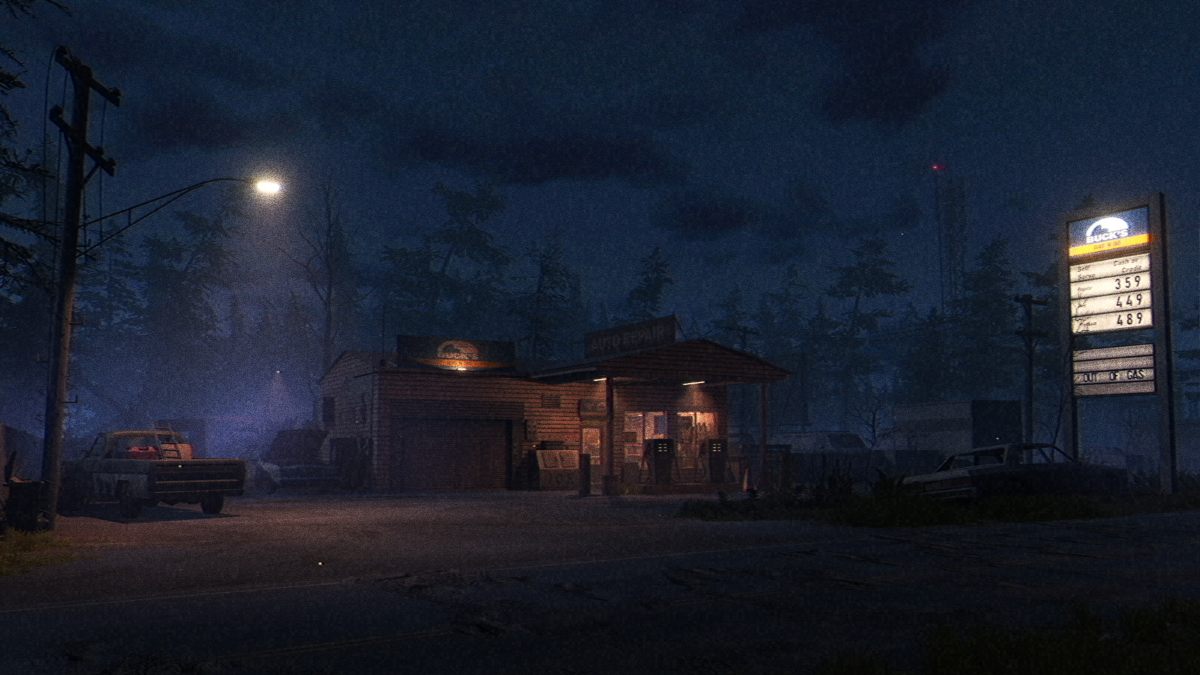
The introduction of a duo-matchmaking feature in Scratch Creek represents a pivotal shift for the Fears to Fathom franchise. This move is not merely an additive feature; it is a strategic enhancement designed to capitalize on the series’ existing popularity and broaden its appeal. By enabling players to face the horrors together, Rayll aims to translate the passive engagement of viewers into active participation, fostering a more immersive and communal horror experience. This decision logically follows the series’ previous focus on the dynamic between characters, such as Sydney and Mike in earlier episodes, suggesting a deeper exploration of interpersonal relationships under extreme stress.
Nostalgia as a Vessel for Fear
Beyond its innovative cooperative mechanics, Scratch Creek signals an aesthetic departure that sets it apart from its indie horror contemporaries like Chilla’s Art and Puppet Combo. While these studios often delve into specific subgenres or visual styles, Fears to Fathom has recently embraced a nostalgic appeal that draws players into settings reminiscent of classic 1980s horror and coming-of-age films. This deliberate use of nostalgia creates an uncanny familiarity, lulling players into a sense of comfort before slowly unraveling it with dread.
The official trailer for Scratch Creek evokes a strong sense of 1980s Americana, reminiscent of films like Stand By Me, The Goonies, and even the more unsettling undertones of Jeepers Creepers. This blend of childhood innocence and encroaching terror is a potent combination that has been notably absent in the recent wave of co-op horror titles. Unlike the action-heavy cooperative horror of the past, Scratch Creek appears to be charting a course that prioritizes atmosphere, narrative, and psychological tension over combat, a refreshing change from the often formulaic approaches seen in the genre.
This stylistic choice is not without precedent within the Fears to Fathom series itself. Previous episodes, such as Woodbury Getaway, have also utilized a slow-burn approach, employing nostalgic settings to build an engaging and unnerving experience. Scratch Creek appears to amplify this by integrating the cooperative element, suggesting that the shared experience of navigating these familiar yet terrifying environments will heighten the overall sense of dread. The game’s premise, which draws heavily from what are allegedly true events, further enhances this feeling of grounded reality, making the encroaching horrors feel all the more plausible and impactful.
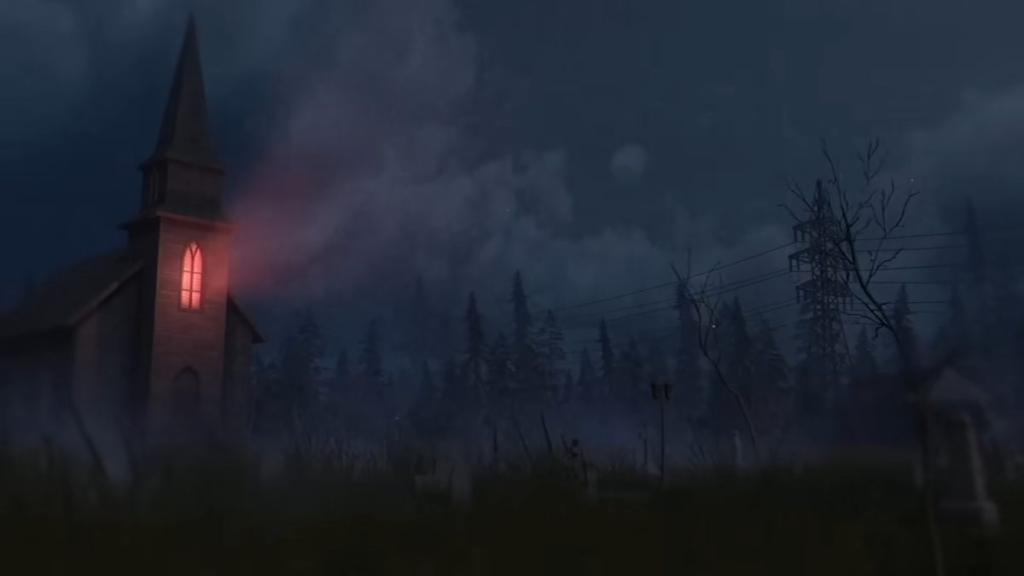
The Intricacies of Slow-Burn Terror
At its core, Fears to Fathom is a walking simulator that blends exploration and narrative with moments of intense psychological horror. The developers have consistently focused on crafting stories that feel personal and believable, drawing players into the plight of ordinary individuals thrust into extraordinary circumstances. This emphasis on a "real threat and rational fear" is expected to be amplified in the cooperative setting of Scratch Creek.
The comparison to The Quarry, a narrative-driven horror game, is apt, as both titles aim to immerse players in a story where choices have consequences and the unfolding events feel organic. However, Fears to Fathom distinguishes itself with its raw, often unsettling presentation and its commitment to exploring the psychological toll of fear. The inclusion of proximity chat in Scratch Creek will undoubtedly contribute to this, allowing players to communicate organically, share moments of fear, and react to the unfolding terror in real-time, mirroring the authentic reactions of characters in cinematic horror.
The alleged basis of Fears to Fathom episodes in true events adds a layer of authenticity that is rarely achieved in the horror genre. This grounding in reality makes the characters’ struggles more relatable and their fear more palpable. Scratch Creek, with its seemingly cozy exterior of a small town and its inhabitants, presents an idyllic facade that is ripe for disruption. The cooperative element allows players to interact with this environment and its people, building a rapport that will make the subsequent descent into terror all the more impactful.
Reshaping the Co-op Horror Landscape
The potential implications of Scratch Creek‘s approach to cooperative horror are significant for the indie gaming scene. For too long, the co-op horror market has been dominated by titles that, while popular, often feel derivative. The reliance on superficial mechanics or humor can overshadow the potential for deeper, more meaningful horror experiences. Fears to Fathom, by prioritizing narrative and atmospheric immersion within a cooperative framework, is poised to challenge this status quo.
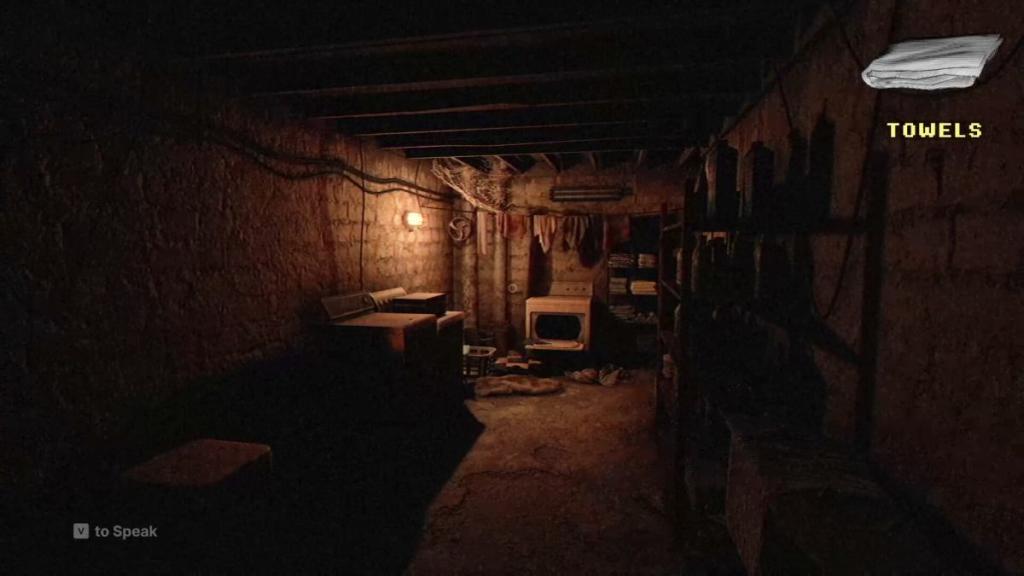
The current co-op horror landscape, while offering a plethora of options for players seeking to team up, often suffers from a lack of originality. Many games offer a similar experience, differing only in their aesthetic or setting. This saturation leads to a phenomenon where successful formulas are endlessly replicated, resulting in products that are, at best, pale imitations of their inspirations and, at worst, incomplete experiences that require players to generate their own entertainment.
Rayll’s gamble with Scratch Creek lies in its willingness to deviate from the well-trodden path. By focusing on a story-driven co-op experience, the game aims to create a more profound and unsettling encounter. The success of this endeavor will hinge on the execution of its narrative, its atmospheric design, and the seamless integration of its cooperative mechanics. If Scratch Creek succeeds, it could inspire a new wave of indie horror developers to prioritize storytelling and genuine atmosphere in their cooperative offerings, moving away from the current trend of "friendslop" – games that rely on players creating content through emergent gameplay or humorous interactions.
Unpacking the Narrative of Scratch Creek
Fears to Fathom: Scratch Creek centers on the narrative of Tessa and Marcus, two individuals whose journey takes an unexpected and terrifying turn when they accidentally find themselves in the secluded town of Scratch Creek. The premise suggests a narrative that unfolds organically as the characters attempt to navigate their predicament. Players will have the option to experience this unsettling tale solo, choosing to embody either Tessa or Marcus at the outset of the episode.
However, the true innovation lies in the cooperative option. Players can team up with a friend or be matched with a random player through the duo-matchmaking system. This shared experience will be enhanced by in-game proximity chat, allowing for natural communication and shared reactions to the unfolding events. This feature is crucial for fostering a sense of shared vulnerability and collective fear, a hallmark of effective cooperative horror.
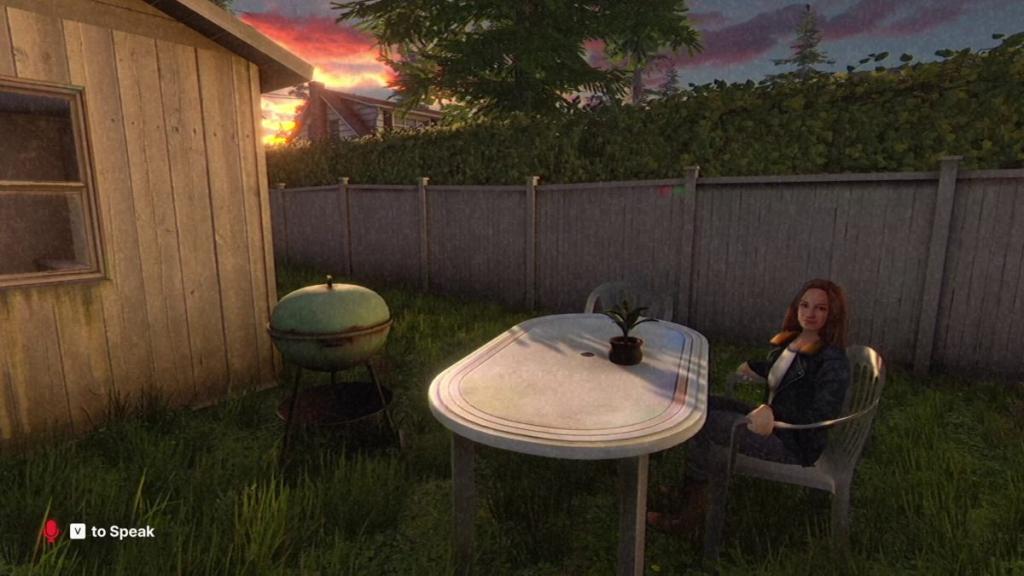
True to the Fears to Fathom formula, Scratch Creek will incorporate walking simulation and driving mechanics, allowing players to explore the environment at their own pace. The game’s product page hints at a choice-based narrative, suggesting that player decisions will influence the progression of the story and potentially its outcome. This aligns with the series’ established delivery, which often mirrors the narrative structure of games like Carson House and Woodbury Getaway, where player agency plays a significant role in shaping the unfolding horror.
The release of Fears to Fathom: Scratch Creek is scheduled for June 10th on Steam. The developers are actively encouraging players to "grab a buddy," emphasizing the game’s cooperative design and the idea that players do not have to face the horrors alone. This invitation underscores the franchise’s commitment to creating shared experiences that resonate with players on a deeper, more communal level, potentially redefining what players expect from cooperative horror in the indie space. The game’s unique blend of nostalgia, narrative depth, and cooperative gameplay positions it as a significant contender in the evolving genre, promising a fresh and unsettling experience for horror enthusiasts.