


The chilling allure of horror often hinges on its perceived authenticity, a delicate dance between the uncanny and the plausible. In the realm of interactive entertainment, the independent horror game series Fears to Fathom has carved a niche by promising players an unfiltered glimpse into terrifying real-life encounters. Developer rayll claims each episode is rooted in true events, a statement that immediately raises questions about the line between lived experience and dramatized terror. While names, specific dates, and locations are understandably altered to protect identities, the persistent question for players remains: did these harrowing events actually happen to someone? This article delves into the marketing strategy behind Fears to Fathom, examines the veracity of its "based on true events" claim, and explores the broader implications of this approach in the horror genre.
The "Based on True Story" Trope: A Legacy of Fear
The invocation of "BASED ON A TRUE STORY" has been a potent marketing tool in horror cinema for decades. It taps into a primal fear – that the monsters and terrors depicted on screen are not mere figments of imagination, but rather reflections of potential dangers lurking in the real world. This strategy reached a fever pitch with the advent of the found-footage genre, largely popularized by the 1999 film The Blair Witch Project. Audiences were led to believe they were witnessing genuine, unedited footage, blurring the lines between documentary and horror and amplifying the sense of dread and realism. However, as the genre matured, audiences became more discerning, often approaching such disclaimers with a healthy dose of skepticism, knowing that "based on" can be a broad and often embellished foundation.
Fears to Fathom masterfully employs this same psychological leverage. The developer, rayll, actively solicits personal horror experiences from players, inviting them to contribute their own nightmares to the game’s narrative tapestry. This crowdsourced approach, where each episode since the 2021 release of "Home Alone" is purportedly inspired by a player’s submitted account, creates a unique and intimate connection between the game and its audience. While this method inherently signals that the content is a retelling, thereby potentially diminishing the suspense of an unknown outcome for the protagonist, it paradoxically does not dilute the palpable tension or the unsettling atmosphere that each episode meticulously cultivates. The knowledge that a real person endured something similar, however dramatized, lends a disturbing weight to the on-screen events.
Deconstructing the "True Events" Claim: Fact vs. Fiction
To ascertain the factual basis of Fears to Fathom‘s narratives, a critical examination of its episodes and potential real-world inspirations is necessary. While it is certain that the game’s episodes do not unfold precisely as depicted by rayll, the distinction between fiction inspired by true events and entirely fabricated tales is crucial. The process of dramatization and exaggeration for entertainment purposes is a standard practice in storytelling, and horror is no exception. This does not necessarily invalidate the developer’s claim of drawing from real experiences; it is plausible that rayll takes genuine events shared by players and imbues them with narrative flair and heightened tension to create compelling gameplay.
The episode "Norwood Hitchhike" offers a compelling case study. Set in 2010, its premise of a perilous encounter with a stranger on the road bears a striking resemblance to the modus operandi of serial killer Larry Ralston, who targeted women in a series of hitchhiker abductions and murders between 1975 and 1977. While the specific details of Ralston’s crimes and the game’s narrative diverge, the thematic resonance suggests a clear line of inspiration. Investigations into reported criminal cases often reveal that while the core elements might be drawn from reality, the narrative is adapted for dramatic effect, which is a common practice in true crime adaptations.
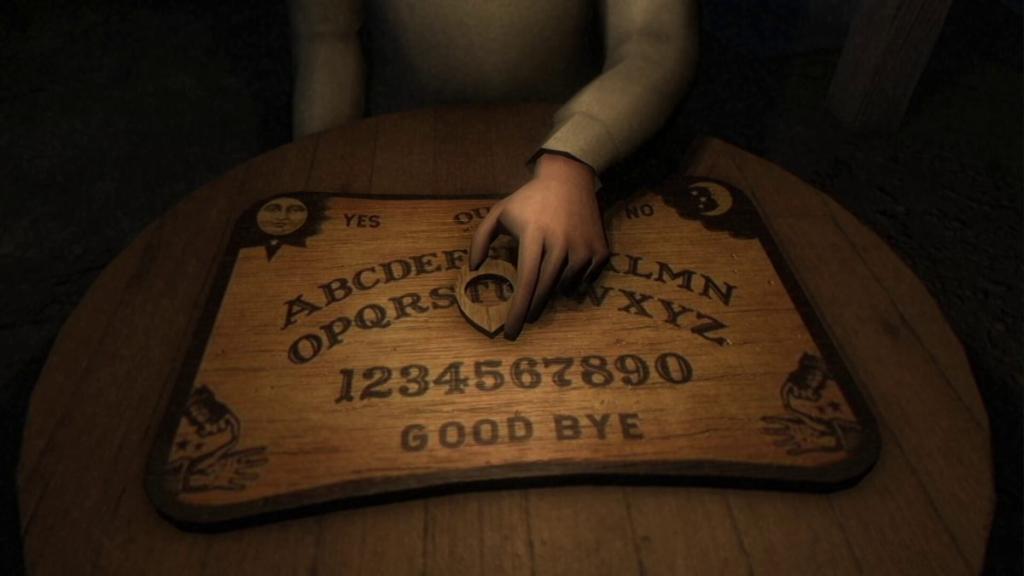
A thorough review of news archives and public records for the types of events depicted in Fears to Fathom – including breaking and entering, home invasions, cult sacrifices, and stalking with murderous intent – reveals no direct, documented cases that precisely mirror the gameplay scenarios. This does not disprove the "true events" claim but rather highlights the transformative nature of storytelling. The inspiration might stem from a single unsettling incident, a collection of similar experiences, or even a generalized fear that resonates with real-world anxieties.
Furthermore, similarities have been noted between episode three, "Carson House," and content from other horror storytellers. For instance, a collection of "3 True House Sitting Horror Stories" by YouTuber Mr. Nightmare, which also purportedly features tales submitted by subscribers, shares thematic parallels with "Carson House." This suggests a broader ecosystem of shared horror narratives from which developers like rayll might draw inspiration, whether directly from player submissions or indirectly through popular online storytelling platforms.
The Interconnected Universe of Fears: Building a Coherent Lore
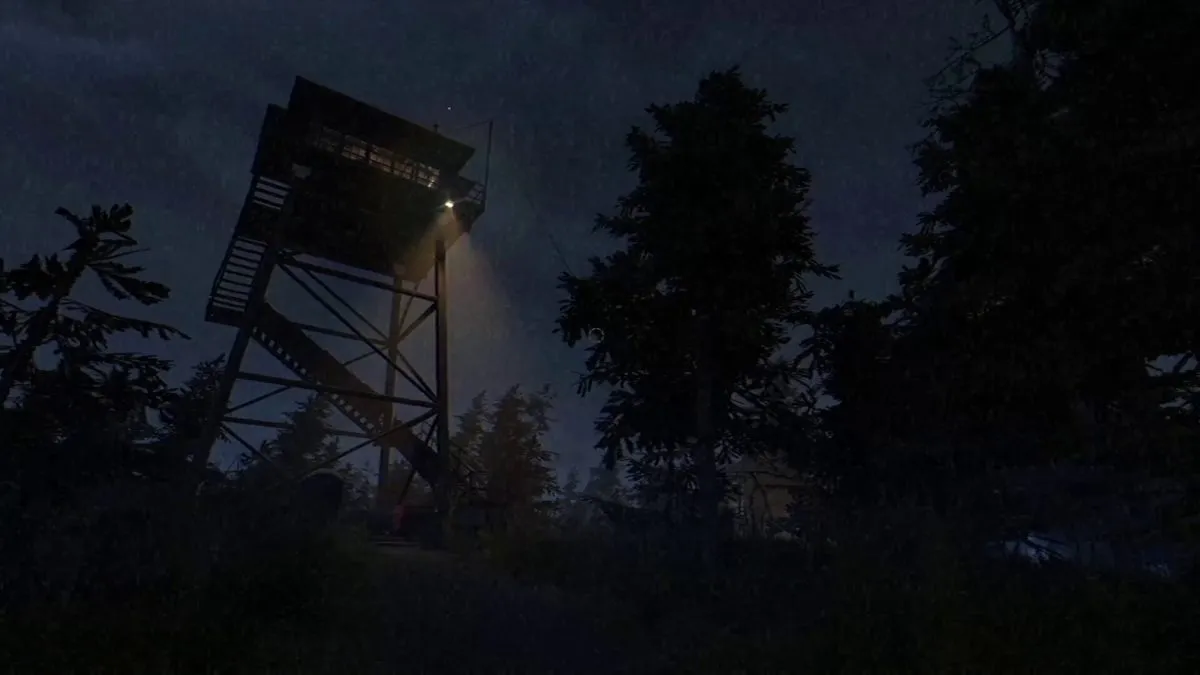
The Fears to Fathom series has demonstrated a sophisticated approach to world-building by subtly weaving its episodes together, creating an interconnected narrative universe. The latest installment, part of the "[Together]" series, explicitly links "Ironbark Lookout" and "Scratch Creek." This connection follows the activities of a singular, sinister cult, establishing a continuity that elevates the series beyond a collection of isolated incidents.
"Ironbark Lookout," set in 2002, and "Scratch Creek," with its vague timeframe of "April 20XX," both revolve around the chilling machinations of "The Covenant of Old Scratch." The game’s depiction of this cult, with its unsettling rituals and potentially racist undertones, serves as a stark reminder of real-world extremist groups. While the specific name "The Covenant of Old Scratch" and its immediate activities are likely fictionalized, the inspiration drawn from real-world cults, such as the Ku Klux Klan and other hate groups, is evident. The deliberate anonymization of these details, while perhaps intended to maintain player immersion and avoid direct accusations, also serves to underscore the fictional nature of the specific cult while acknowledging the very real historical and ongoing threat posed by such organizations.
The potential origins of these narratives are multifaceted. rayll may indeed receive chilling accounts directly from players via email. However, the influence of online communities dedicated to sharing alleged real-life horror stories, such as the subreddit r/nosleep, cannot be overlooked. These platforms are rife with user-generated content that often blurs the line between personal anecdotes and imaginative fiction, making it difficult to definitively verify the authenticity of any single submission. The credibility of "real stories" on such forums is inherently questionable, yet they provide a fertile ground for narrative inspiration.
The Unsettling Realism: Why Fears to Fathom Resonates
Despite the inherent uncertainty surrounding the verbatim truth of each scenario, Fears to Fathom achieves a remarkable level of psychological impact. The game masterfully taps into universal anxieties, presenting scenarios that, while often dramatized, remain disturbingly plausible. The horror lies not just in jump scares or overt threats, but in the insidious realization that these events could, in principle, happen to anyone. The core appeal of the series is its ability to evoke a sense of vulnerability and unease that mirrors real-world fears of crime and personal danger.
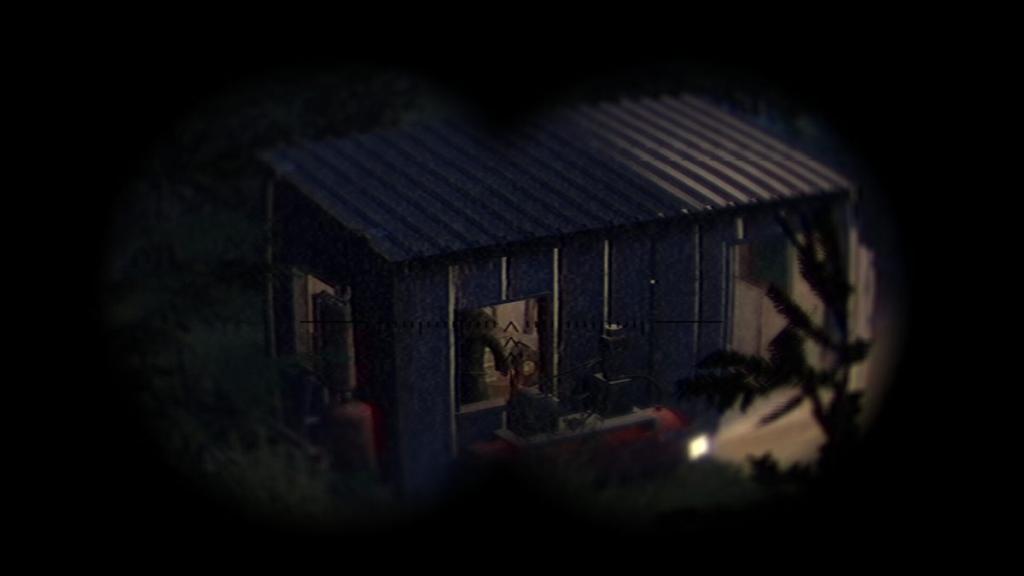
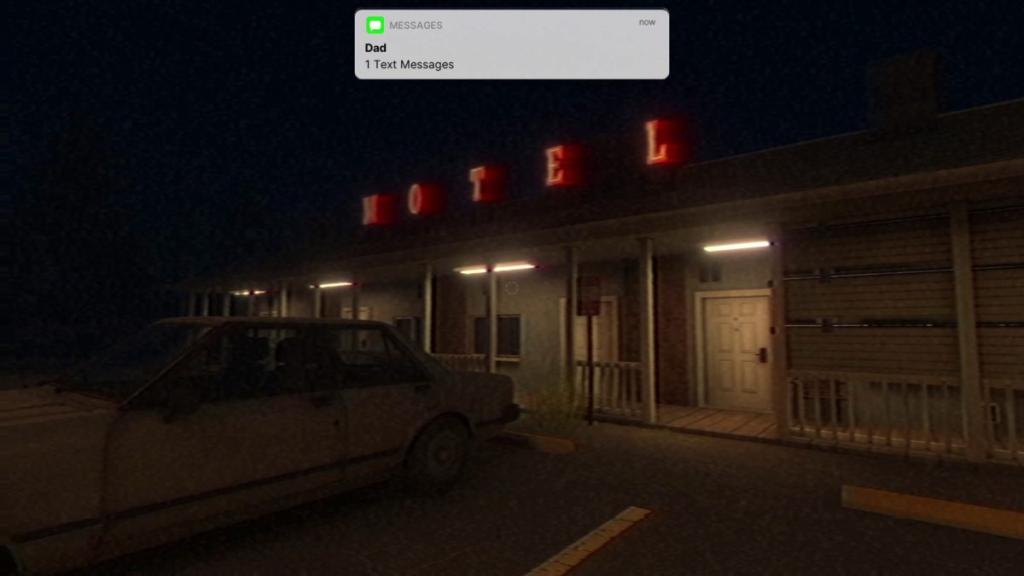
Consider the "Home Alone" episode. While the visual representation of the home invader’s movement—appearing at the front door instantaneously after being inside the house—is a clear artistic license to heighten suspense, it serves a narrative purpose. This kind of temporal distortion, while unrealistic, effectively amplifies the feeling of helplessness and the unpredictable nature of a home invasion. The developers are not aiming for documentary accuracy but for emotional resonance.
Ultimately, Fears to Fathom is not a collection of factual case studies, but rather a series of realistic cautionary tales. The game explores themes of stalking, home invasion, and the shadowy underbelly of cult activity, all of which have documented parallels in the real world. The effectiveness of the series lies in its ability to present these terrifying possibilities in a relatable and immersive manner. Whether rayll meticulously verifies each submitted story or uses them as springboards for fictional dread, the impact on the player remains profound. The inherent creepiness and the unsettling questions the game raises are what make Fears to Fathom a compelling and enduring force in the horror gaming landscape, regardless of the absolute veracity of its claims. The true horror, it seems, is often found in the plausible, even when filtered through the lens of dramatic interpretation.