


The pursuit of difficult video games has long been a driving force for a dedicated segment of the gaming community, a journey marked by arduous climbs through digital landscapes and the sweet taste of hard-won victories. This insatiable appetite for challenge, honed by childhood encounters with titles like Crash Bandicoot‘s "Cold Hard Crash," Spyro the Dragon‘s "Tree Tops," the unforgiving permadeath of The Lost World: Jurassic Park, and the demanding Platinum trophies in TimeSplitters challenges, continues to find its modern iterations in critically acclaimed games such as Elden Ring, Nine Sols, and Fear & Hunger. The motivation behind conquering these formidable experiences transcends mere nostalgia; it is fueled by a potent cocktail of pride, ego, and the desire for digital accolades. The satisfaction derived from overcoming immense obstacles, often punctuated by triumphant in-game messages like "PREY SLAUGHTERED," is a powerful motivator, yet it consistently ignites a craving for more, a perpetual search for the next insurmountable hurdle.
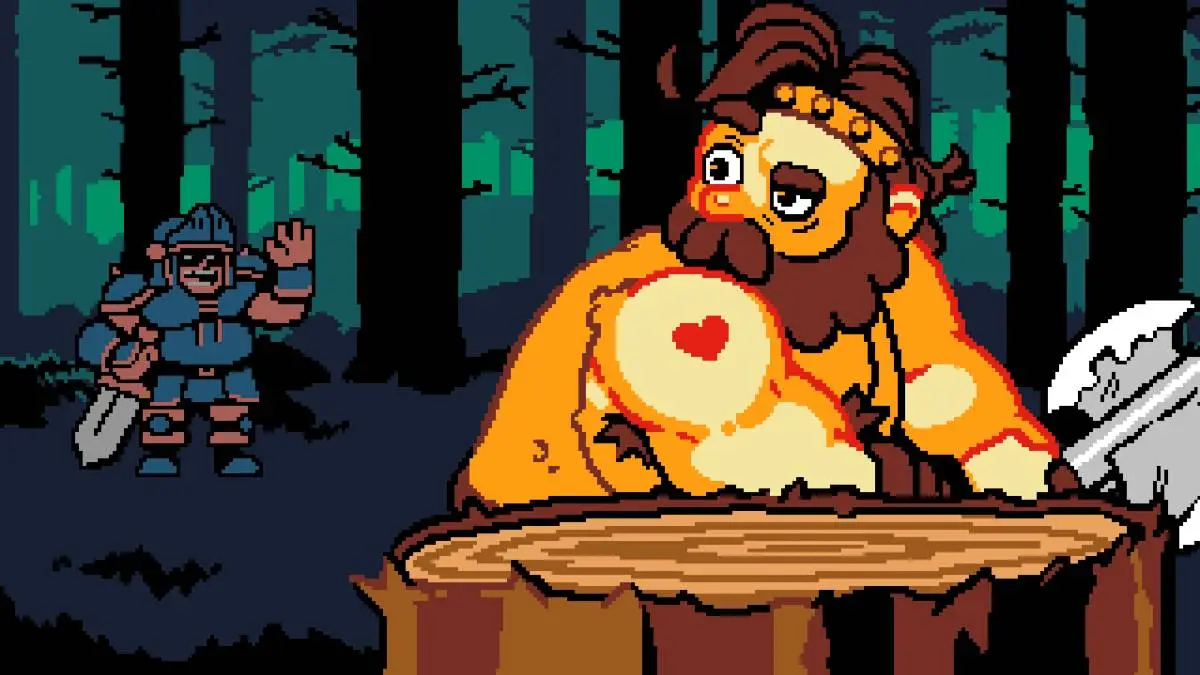
In this ongoing quest for digital Everest, developer doinksoft’s latest offering, Dark Scrolls, emerges as a contender, aiming to satiate this hunger. Boasting vibrant 2D animation, a seemingly simple three-button control scheme, and an array of hidden secrets, Dark Scrolls presents an aesthetically pleasing and charming retro-inspired adventure. The developer, known for titles like Gato Roboto, Demon Throttle, and the highly regarded Gunbrella, has once again delivered an experience that is both entertaining and visually appealing. However, despite its promising facade, Dark Scrolls appears to present certain areas that require refinement to fully meet the expectations of players seeking a truly demanding experience.
Aesthetic Charm Meets Core Gameplay Loop
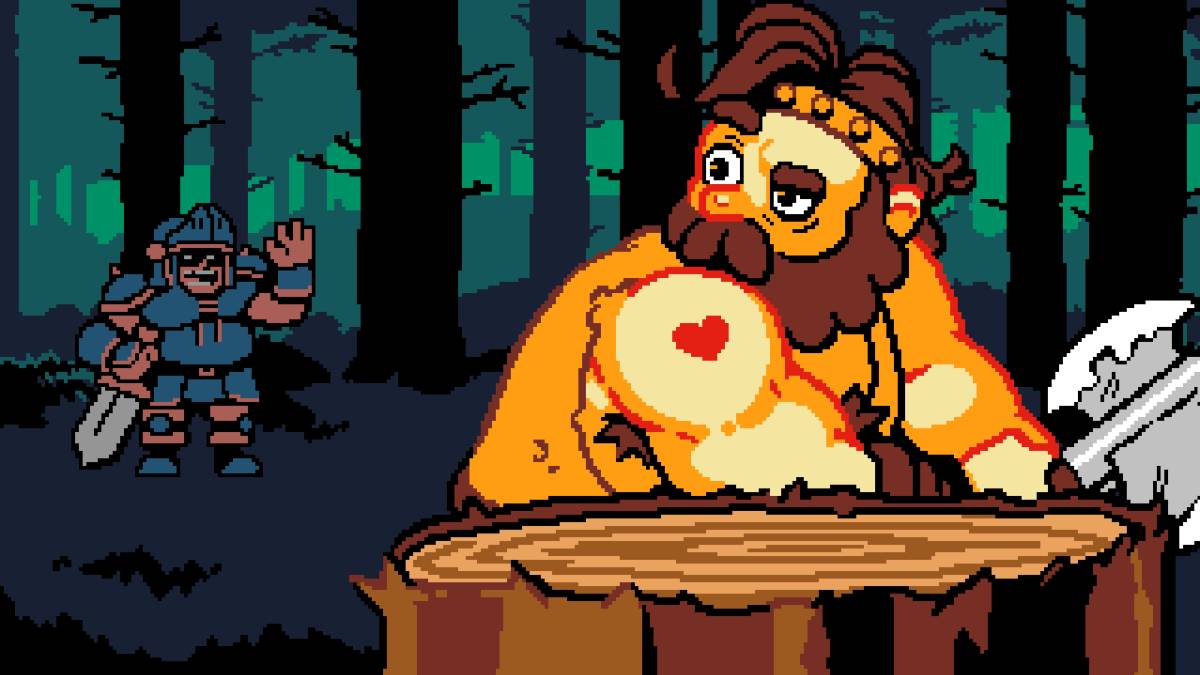
Dark Scrolls embraces its retro roots with a design philosophy that prioritizes simplicity. The core gameplay loop, characterized by auto-scrolling levels and the limited three-button input, is inherently slow and repetitive. Yet, this deliberate pacing can evoke a learning curve reminiscent of the early days of 2D platformers on the PlayStation 1. Notably, the game eschews explicit tutorials or hand-holding, a refreshing departure in an era where many games guide players through every step. This approach necessitates a period of exploration and experimentation to grasp the game’s mechanics, including understanding the unique ultimate abilities and perk systems of its three initial characters. This initial opacity contributes to the perception of Dark Scrolls as a challenging endeavor upon first impression.
The game’s design encourages repeated playthroughs, driven by the allure of discovering hidden areas, engaging in boss encounters, and unearthing mysterious items whose purpose remains obscure. These secrets serve as a powerful incentive to persevere, prompting players to constantly re-evaluate their strategies and explore every nook and cranny. While Dark Scrolls incorporates some idiosyncratic design choices, such as the omnipresent honking sound effect replacing traditional dialogue – a decision that might prove jarring for some – these elements are ultimately overshadowed by the game’s most significant drawback: its eventual descent into a lack of substantial challenge once its core mechanics are understood.
The Erosion of Difficulty: A Waning Challenge
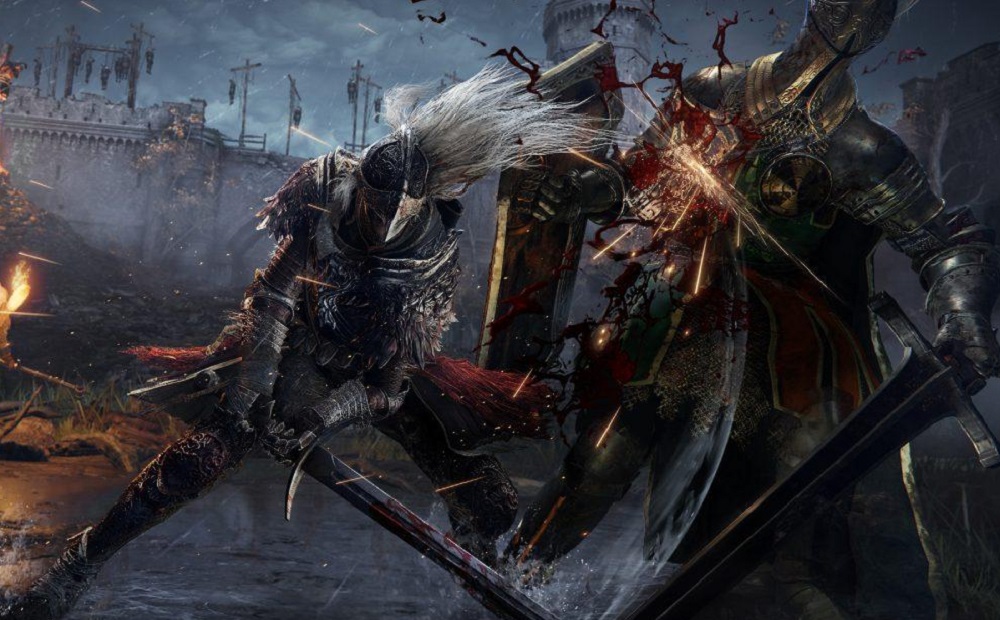
The inherent difficulty in games like Sekiro: Shadows Die Twice or Elden Ring often sparks an existential introspection within players, prompting them to question their own capabilities and the very fabric of the game’s design. These challenging titles push players to their breaking points, offering a profound sense of accomplishment akin to achieving peak athletic performance or reaching distant celestial bodies. The struggle and eventual triumph in these games can feel like a significant personal achievement, a testament to resilience and dedication. The expectation was that Dark Scrolls would provide a similar cathartic experience.
However, initial impressions suggest that Dark Scrolls, while visually appealing and charming, may falter in delivering the sustained, punishing difficulty that defines the most revered challenging games. Early analysis indicates that the game’s core mechanics, once mastered, can lead to an unexpectedly facile experience. This observation is particularly pertinent when contrasted with titles that have consistently delivered on their promise of high difficulty, such as Cuphead.
Cuphead: A Benchmark for Modern Difficulty
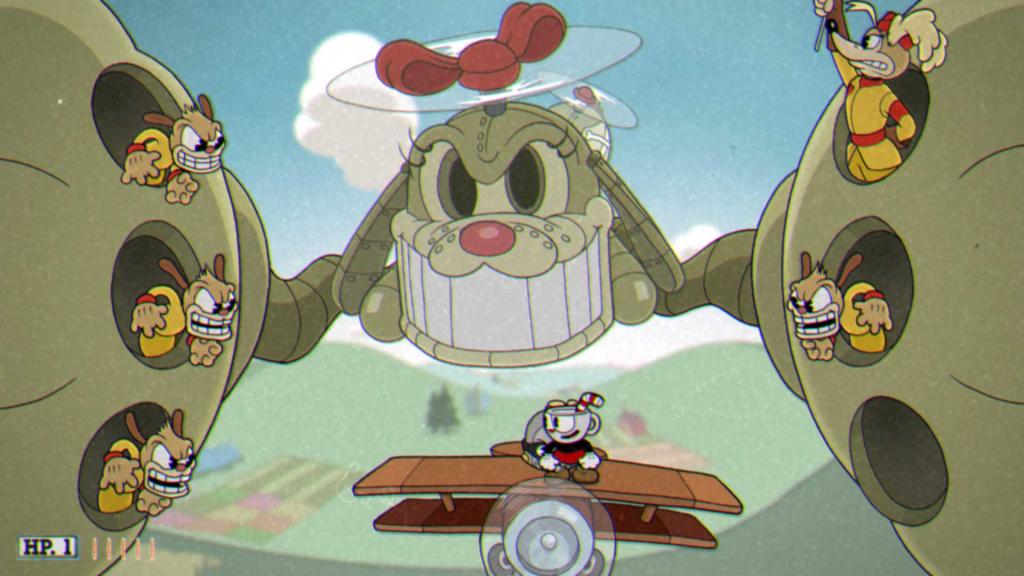
The advent of Cuphead in 2017 marked a significant moment in modern gaming, establishing a new standard for challenging 2D side-scrolling experiences. The game’s notorious difficulty even became a talking point within the gaming press, with some critics finding the initial stages to be an insurmountable task. Cuphead demands an almost absolute level of perfection, requiring players to engage in a relentless cycle of practice and refinement. The game’s stunning, hand-drawn animation, inspired by 1930s cartoons, serves as a beautiful, yet often distracting, backdrop to its unforgiving gameplay. Players are compelled to maintain unwavering focus, observing every frame of animation and executing precise inputs to navigate its perilous boss encounters. The few minutes spent in a single level can feel like an eternity of intense concentration, ultimately forging a stronger, more resilient player upon their eventual success.
This level of sustained engagement and demanding precision is what many players seek when looking for a truly challenging game. In Dark Scrolls, the concern is that this level of demanding play may not be consistently maintained. While the game’s visual appeal and retro aesthetic are commendable, the ability to "cheese" the game – to exploit mechanics for an easy victory – within a short timeframe of gameplay is a significant detractor for those who actively seek out profound challenges. The reported discovery of a method involving repeated button-mashing or a specific character’s slam attack to achieve infinite invulnerability against all bosses within two hours of play suggests that Dark Scrolls may not offer the enduring test of skill that its initial presentation might imply. This ease of exploitation, while perhaps a testament to player ingenuity, directly contradicts the core appeal of challenging games, leaving players who crave a genuine test of their abilities searching elsewhere.
The Evolving Landscape of Challenge
The search for truly demanding gaming experiences has, in recent years, largely gravesteated towards genres like Metroidvanias and Soulslikes, with sporadic outliers like Cuphead offering a distinct flavor of difficulty. While developers like FromSoftware have consistently delivered unparalleled challenges within the Soulslike genre, there remains a distinct niche for games that can replicate the specific, frame-perfect demands of Cuphead. The current gaming landscape suggests a demand for experiences that push players to their absolute limits, demanding not just reaction time but also strategic planning, pattern recognition, and an unwavering commitment to mastery.
Without such experiences, players seeking the adrenaline rush of overcoming seemingly impossible odds may find themselves reverting to older consoles, such as the PlayStation 1, in pursuit of that particular brand of digital struggle. The implication is clear: the gaming industry needs more titles that can consistently deliver on the promise of genuine, hard-earned challenge. While Dark Scrolls offers a visually appealing and charming retro-inspired experience, its potential to satisfy the cravings of the most dedicated challenge-seekers appears to be limited by its apparent ease of exploitation. The developer’s track record suggests a capability for creating engaging and polished games, and it is hoped that future updates or iterations might address the balance of difficulty to ensure that Dark Scrolls can offer a more enduring and satisfying experience for those who relish the thrill of a truly formidable digital adversary. The quest for the next Cuphead continues, and for now, the allure of the past beckons for those who find modern challenges falling short.