


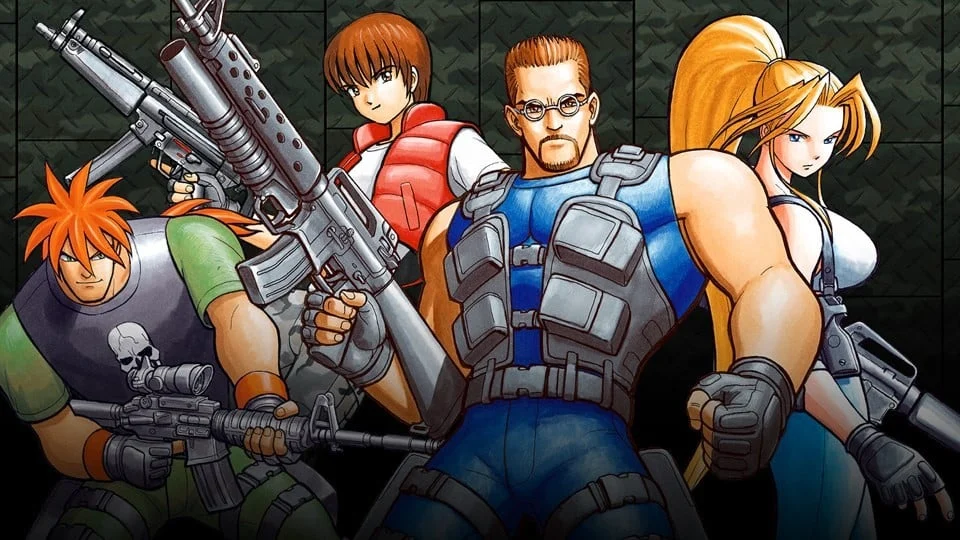
In a significant, unannounced development for the Xbox ecosystem, over 60 titles from the highly regarded ACA NEOGEO series have suddenly been marked as "Xbox Play Anywhere" on their respective Microsoft Store pages. This quiet integration into Microsoft’s cross-buy program has immediately led to the delisting of several standalone PC versions of these classic games, signaling a shift towards a unified licensing model that promises enhanced value and accessibility for players across both Xbox consoles and Windows PCs. The discovery, initially brought to light by gaming news outlet TrueAchievements, indicates a substantial expansion of the Xbox Play Anywhere initiative, particularly within the retro gaming segment.
The core implication of this change is that a single purchase of an ACA NEOGEO title that supports Xbox Play Anywhere will now grant players access to both the Xbox console and PC versions of the game. This move streamlines the ownership experience, eliminating the need for separate purchases across platforms and ensuring that digital rights are consolidated under one umbrella. However, the rollout appears to be in an early or transitional phase, as many of the newly tagged XPA games do not yet explicitly list "PC" as a supported platform, suggesting ongoing technical work behind the scenes.
The Sudden Shift to Xbox Play Anywhere: A Detailed Look
The integration of over 60 ACA NEOGEO games into the Xbox Play Anywhere program marks one of the most substantial single expansions of the initiative since its inception. The program, designed to offer a seamless cross-platform experience, has been a cornerstone of Microsoft’s strategy to bridge its console and PC gaming divisions. For these beloved retro titles, the change means a significant uplift in perceived value for consumers, who can now expect their digital purchases to follow them between their Xbox console and Windows 10/11 PC without incurring additional costs.
The immediate consequence of this transition has been the delisting of specific PC-only versions of these games from the Microsoft Store. This is a standard procedure when a game transitions to Xbox Play Anywhere, as the previous separate PC SKU (Stock Keeping Unit) becomes redundant. The unified XPA listing serves as the sole point of purchase for both platforms. While beneficial in the long run, such delistings can cause temporary confusion for users accustomed to separate listings or those who might have wished to purchase the PC version individually before the consolidation.
Understanding Xbox Play Anywhere: A Microsoft Initiative
Xbox Play Anywhere (XPA) was officially introduced by Microsoft in 2016, building on the company’s "Universal Windows Platform" vision. The program’s fundamental promise is straightforward: buy a digital game once, and play it on both Xbox One (and subsequent generations like Xbox Series X|S) and Windows PCs. Beyond simple cross-buy, many XPA titles also support cross-save functionality, allowing players to seamlessly continue their progress, achievements, and game saves across devices. This initiative was a clear statement of Microsoft’s commitment to creating a more interconnected and flexible gaming ecosystem.
From its launch, XPA aimed to break down barriers between console and PC gaming, offering convenience and added value to consumers. Early adopters included first-party Microsoft titles such as Gears of War 4, Forza Horizon 3, and Halo Wars 2, establishing a precedent for major releases. Over the years, the program has expanded to include a growing list of third-party titles, demonstrating its appeal to developers looking to maximize their game’s reach. The benefits for gamers are undeniable: increased flexibility, greater value for money, and the freedom to choose their preferred platform for a given play session. For developers and publishers, XPA can lead to a broader audience reach and potentially higher sales by appealing to both console and PC segments simultaneously. It also simplifies inventory management by consolidating digital SKUs.
Microsoft’s strategic vision behind XPA extends beyond mere convenience. It underpins the company’s broader efforts to position Xbox as an ecosystem rather than just a console brand. Alongside initiatives like Xbox Game Pass and Xbox Cloud Gaming, XPA reinforces the idea that "where you play" is less important than "what you play," fostering a more inclusive and platform-agnostic gaming experience.
The ACA NEOGEO Legacy: Preserving Gaming History
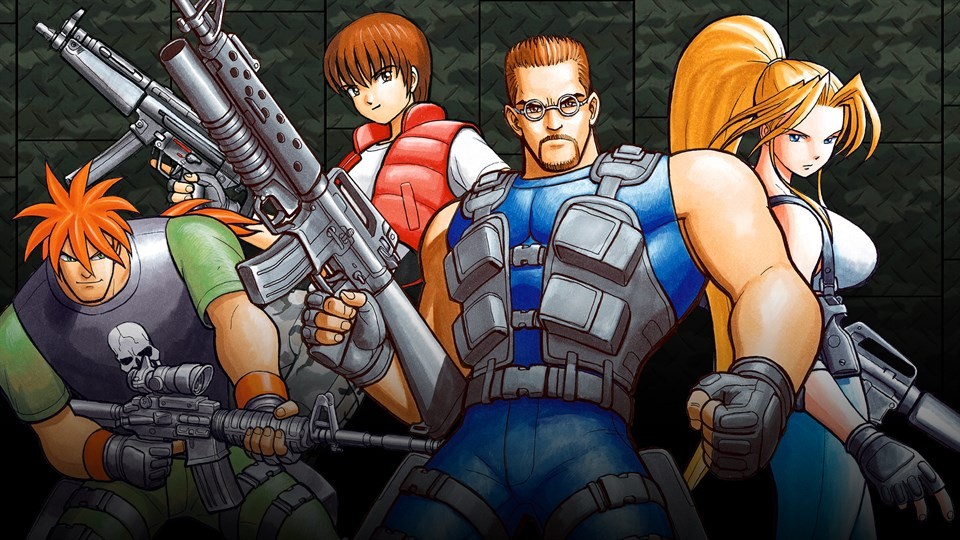
The ACA NEOGEO series, published by Hamster Corporation, represents a monumental effort in video game preservation and accessibility. Since 2016, Hamster has been meticulously re-releasing classic titles from SNK’s iconic NEOGEO system on modern platforms, including Xbox, PlayStation, Nintendo Switch, and PC. The "ACA" in ACA NEOGEO stands for "Arcade Archives," a series dedicated to faithfully emulating and distributing classic arcade games.
The NEOGEO console, originally released by SNK in 1990, was renowned for its high-quality 2D graphics and sound, often mirroring the powerful arcade machines of its era. This led to a reputation for expensive cartridges but also for some of the most innovative and beloved fighting games, run-and-guns, and sports titles of the early 90s. Games like Metal Slug, King of Fighters, Samurai Shodown, and Fatal Fury cemented the NEOGEO’s place in gaming history. Hamster Corporation’s ACA NEOGEO series brings these classics to a new generation of players while offering nostalgic experiences for veterans, complete with modern features like leaderboards, display options, and save states.
Prior to this XPA integration, many ACA NEOGEO titles were available as separate purchases on the Xbox and PC (via the Microsoft Store). This meant that a player who owned an Xbox console and a gaming PC would need to buy their favorite NEOGEO classics twice if they wished to play them on both platforms. The shift to XPA fundamentally changes this economic model, offering a significant improvement in consumer value.
The Delisting Conundrum and Transition Challenges
The delisting of existing PC-only versions is a necessary, albeit sometimes confusing, step in the XPA transition. When a game becomes Play Anywhere, it adopts a single, universal SKU that encompasses both console and PC versions. Maintaining separate PC-only listings would create redundancy and potential licensing conflicts. Therefore, the older, platform-specific digital storefront entries are retired in favor of the new, unified XPA entry. This ensures that any future purchase of the game automatically grants dual platform access.
However, the current situation presents a notable anomaly. While over 60 ACA NEOGEO titles have received the XPA tag, only a handful explicitly show "PC" as a supported platform on their Microsoft Store pages at the time of this report. This discrepancy suggests that the integration process is likely ongoing or has encountered a phased rollout. Possible reasons for this staggered implementation include:
- Technical Backend Updates: Integrating a large catalog of games into the XPA framework requires extensive backend work, including updating licensing databases, store page metadata, and potentially ensuring compatibility layers for PC versions. This process may be happening in waves.
- Verification and Testing: Each game, especially older titles, may require specific testing to ensure smooth performance and compatibility on various PC configurations under the XPA wrapper. This could be a time-consuming manual process.
- Publisher Coordination: While Microsoft manages the XPA platform, Hamster Corporation, as the publisher, would need to approve and facilitate the technical aspects for each game. There might be coordination efforts still underway.
- Premature Tagging: It is plausible that the XPA tags were applied to the game listings before the full backend infrastructure or verification for PC access was completed, leading to the current inconsistency.
The games confirmed to currently show "PC" as a supported platform among the newly XPA-enabled titles include Sengoku, Blue’s Journey, Burning Fight, Crossed Swords, Aero Fighters 3, and Shock Troopers 2nd Squad. Concurrently, the PC-only listings that have been removed are Aero Fighters 3, Crossed Swords, Shock Troopers, and Sengoku. This pattern clearly illustrates the consolidation process at work. Until all XPA-tagged games fully reflect PC compatibility, consumers are advised to exercise patience and monitor store listings before making purchasing decisions, though the underlying promise of cross-buy remains.
Implications for Consumers and the Market
The expansion of Xbox Play Anywhere to such a significant collection of retro games carries substantial implications for consumers and the broader digital gaming market.

Enhanced Value Proposition: For players who own both an Xbox console and a Windows PC, the "buy once, play anywhere" model represents a tangible increase in value. Instead of two separate purchases, they now receive dual entitlements for a single price. This is particularly attractive for a series like ACA NEOGEO, where collectors often seek to own their favorite classics across multiple platforms. This move significantly reduces the cost barrier for comprehensive digital ownership.
Accessibility and Game Preservation: By consolidating licenses, XPA potentially increases the accessibility of these classic titles. Players are more likely to purchase a game knowing they can access it on their preferred device at any given time. Furthermore, the robust infrastructure of Xbox Play Anywhere contributes to the long-term digital preservation of these games, ensuring they remain available and playable for years to come within a unified ecosystem.
The Broader Retro Gaming Trend: This development aligns with a growing industry trend towards making classic games readily available on modern platforms. The retro gaming market continues to expand, driven by nostalgia and a new generation of players discovering historical titles. Initiatives like ACA NEOGEO, and now its enhanced XPA integration, play a crucial role in meeting this demand. It highlights that even older titles can leverage modern digital distribution models to reach wider audiences and provide continued revenue streams for publishers.
Potential for Future XPA Additions: This extensive addition of ACA NEOGEO titles could signal a renewed push by Microsoft to expand the Xbox Play Anywhere program, potentially encouraging other publishers of retro collections or even new indie titles to adopt the cross-buy model. Such a move would further solidify the value proposition of the Xbox ecosystem and enhance its appeal in a competitive market.
Industry Reaction and Forward Outlook
As of this report, there has been no official announcement from Microsoft or Hamster Corporation regarding this widespread XPA integration. The discovery stems entirely from changes observed on the Microsoft Store pages and reported by third-party gaming news sites. While the lack of official communication is typical for such backend-driven updates, the scale of this change warrants attention.
Despite the absence of a formal statement, the gaming community’s reaction is widely anticipated to be positive. Players generally welcome initiatives that offer more value and flexibility for their digital purchases. This move reinforces the idea that digital ownership can be as robust, if not more convenient, than physical media, especially when coupled with cross-platform entitlements.
This development also underscores the evolving nature of digital rights in gaming. As platforms become more interconnected and cloud services proliferate, the concept of a single game purchase unlocking access across multiple devices and even through streaming services becomes increasingly vital. The ACA NEOGEO XPA integration is a small but significant step in this direction, offering a glimpse into a future where game ownership is less about the device and more about the player’s library.
In conclusion, the quiet integration of over 60 ACA NEOGEO games into the Xbox Play Anywhere program represents a notable enhancement to the Xbox ecosystem. While the rollout appears to be in progress, the long-term benefits of consolidated licenses and enhanced cross-platform access are clear. This move not only adds significant value for consumers but also reinforces Microsoft’s commitment to a unified gaming experience, further cementing the place of beloved retro titles within the modern digital landscape. Players are encouraged to keep an eye on Microsoft Store listings for these titles as the full PC integration is finalized.