


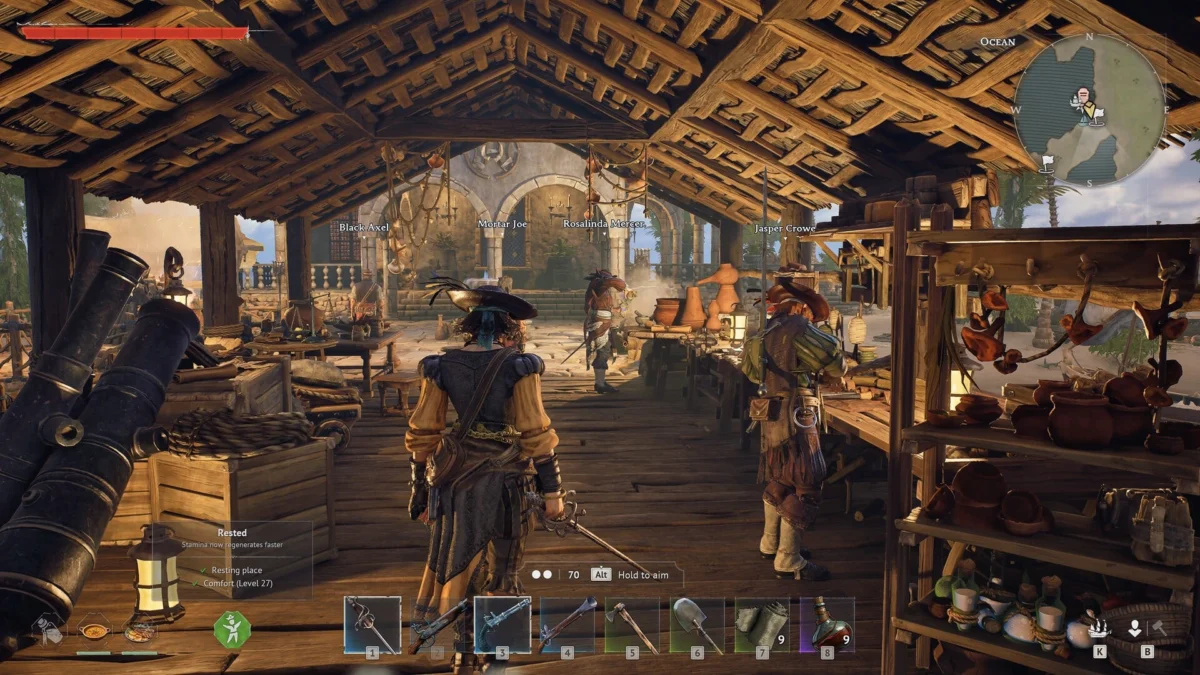
The recent launch of Windrose, a new PvE survival adventure title, in early access on Steam has not only exceeded expectations but has also become a significant talking point within the gaming industry. Amassing an impressive 500,000 copies sold within just 48 hours of its debut, the game’s immediate commercial triumph underscores a renewed enthusiasm for the pirate-themed genre, which has seen its share of turbulent waters in recent years. This rapid success has also sparked considerable discussion regarding its eventual console availability, particularly in the context of Microsoft’s innovative "Project Helix," a forthcoming Xbox console designed to seamlessly integrate PC games.
Windrose’s Explosive Steam Debut: A Commercial Phenomenon
Launched in early access on a prominent digital distribution platform, Windrose swiftly captivated a substantial player base, achieving a sales milestone that many established titles struggle to reach. The half-million unit mark within two days positions Windrose as one of the most successful early access launches of the year, signaling strong market demand for its unique blend of survival, adventure, and naval combat. As the game enters its first full weekend, industry analysts anticipate that these figures will continue to climb, potentially reaching seven-figure sales in its inaugural week. This immediate commercial validation is particularly noteworthy given the competitive landscape of the PC gaming market and the relatively nascent status of the development studio behind Windrose. The average price point for early access titles can vary, but even at a modest estimate, these sales figures represent a multi-million dollar revenue stream generated in a remarkably short timeframe, providing substantial capital for continued development and expansion.
The game’s premise, a PvE (Player versus Environment) survival adventure set in the romantic yet perilous Age of Piracy, tasks players with exploration, construction, combat, and ultimately, survival across a sprawling open world. This world is characterized by procedurally generated biomes, ensuring a fresh experience with each playthrough. The flexibility of play, offering both a solo offline experience and online co-operative gameplay for up to eight players, broadens its appeal to various player preferences, from lone explorers to dedicated crews. This combination of emergent gameplay, persistent progression, and social interaction forms the core of its engaging loop, contributing significantly to its early appeal.
A Deep Dive into Windrose’s Gameplay Mechanics and Appeal
Windrose distinguishes itself by immersing players in a multifaceted survival experience. At its heart, the game is about mastering the unforgiving elements of a pirate’s life. Players begin with basic resources and must systematically gather materials, craft essential tools, weapons, and provisions, and construct shelters or even full bases to withstand environmental hazards and hostile encounters. The "build" aspect extends beyond mere survival shacks, allowing for intricate fortifications and functional structures that aid in resource processing and defense.
Exploration is another cornerstone, with the procedurally generated biomes ensuring diverse landscapes, from dense jungles and arid deserts to treacherous coastlines and mysterious islands. This dynamic generation system enhances replayability and encourages players to continually venture into unknown territories, seeking out valuable resources, ancient ruins, and hidden secrets. The "Age of Piracy" theme is not merely cosmetic; it permeates the gameplay, influencing the types of enemies encountered (from rival pirate factions and indigenous wildlife to mythical sea creatures), the available technology, and the overarching narrative possibilities.
Combat in Windrose is described as "soulslite," suggesting a demanding yet rewarding system that emphasizes skill, timing, and strategic engagement rather than simple button mashing. This implies challenging enemy encounters, requiring players to learn attack patterns, manage stamina, and utilize environmental advantages. The inclusion of "challenging bosses" further reinforces this design philosophy, offering significant milestones for player progression and tests of mastery. Beyond land-based skirmishes, naval combat is integral, allowing players to command their own ships, engage in ship-to-ship battles, and plunder unspoken treasures from merchant vessels or rival pirate strongholds. This dual combat system, encompassing both personal melee/ranged combat and large-scale ship warfare, adds considerable depth and variety to the gameplay loop. The co-operative mode for up to eight players amplifies these experiences, allowing friends to divvy up roles – helmsman, gunner, scout, builder – fostering teamwork and emergent storytelling.
The Context: A Troubled Sea for Pirate Games
The success of Windrose is particularly notable when viewed against the backdrop of the pirate game genre’s recent history. While the allure of high seas adventure, treasure hunting, and swashbuckling combat has always held significant potential, translating this fantasy into consistently successful video games has proven challenging. Titles like Assassin’s Creed IV: Black Flag (2013) were lauded for their innovative naval combat and open-world exploration, setting a high bar for the genre. More recently, Rare’s Sea of Thieves (2018) carved out a successful niche as a shared-world pirate adventure, thriving on its unique blend of emergent gameplay and player interaction, continually evolving through years of content updates.
However, the genre has also seen its share of disappointments. The highly anticipated Skull & Bones, a title that spent over a decade in development hell, serves as a recent example of a pirate game that struggled to live up to its initial hype and commercial expectations. Despite significant investment from Ubisoft, Skull & Bones launched to mixed reviews, with many critics and players citing a lack of compelling content, repetitive gameplay, and an inability to fully capture the essence of a true pirate experience. Its protracted development cycle, multiple reboots, and shifting design philosophies ultimately contributed to its underwhelming reception. This contrast highlights Windrose‘s achievement: a seemingly independent or smaller-scale title, launching in early access, has managed to strike a chord with players where a AAA behemoth faltered. This suggests that authenticity, engaging core loops, and a clear vision, even in an unfinished state, can outweigh massive budgets and extensive marketing campaigns.
Early Access Model: A Proving Ground for Indie Hits
Windrose‘s rapid ascent also serves as a testament to the efficacy and evolving maturity of the early access model, particularly on platforms like Steam. This development strategy allows studios to launch an unfinished but playable version of their game to a public audience, gather crucial feedback, and fund continued development through initial sales. It’s a symbiotic relationship: players gain early access to promising titles and can influence their development, while developers receive valuable insights and financial support.
Over the past decade, early access has fostered numerous success stories. Games like Valheim, Rust, Satisfactory, and Palworld have all leveraged this model to build massive communities, iterate on gameplay, and refine their products into critically and commercially acclaimed hits. Valheim, for instance, sold over 5 million copies in its first month of early access in 2021, demonstrating the immense potential for viral success. These titles often benefit from a dedicated core community that champions the game, provides extensive feedback, and generates organic word-of-mouth marketing.
For Windrose, the early access launch signifies a commitment to collaborative development. The initial sales surge provides the studio with resources to expand their team, implement player-requested features, fix bugs, and significantly enhance the game’s content and polish before its eventual 1.0 release. This iterative process, guided by real player data and sentiment, often results in a more robust and player-centric final product, a stark contrast to games developed largely in isolation. The ability to pivot and adapt based on community reception is a powerful advantage that the early access model offers.
Developer’s Stance: Charting a Course for Consoles
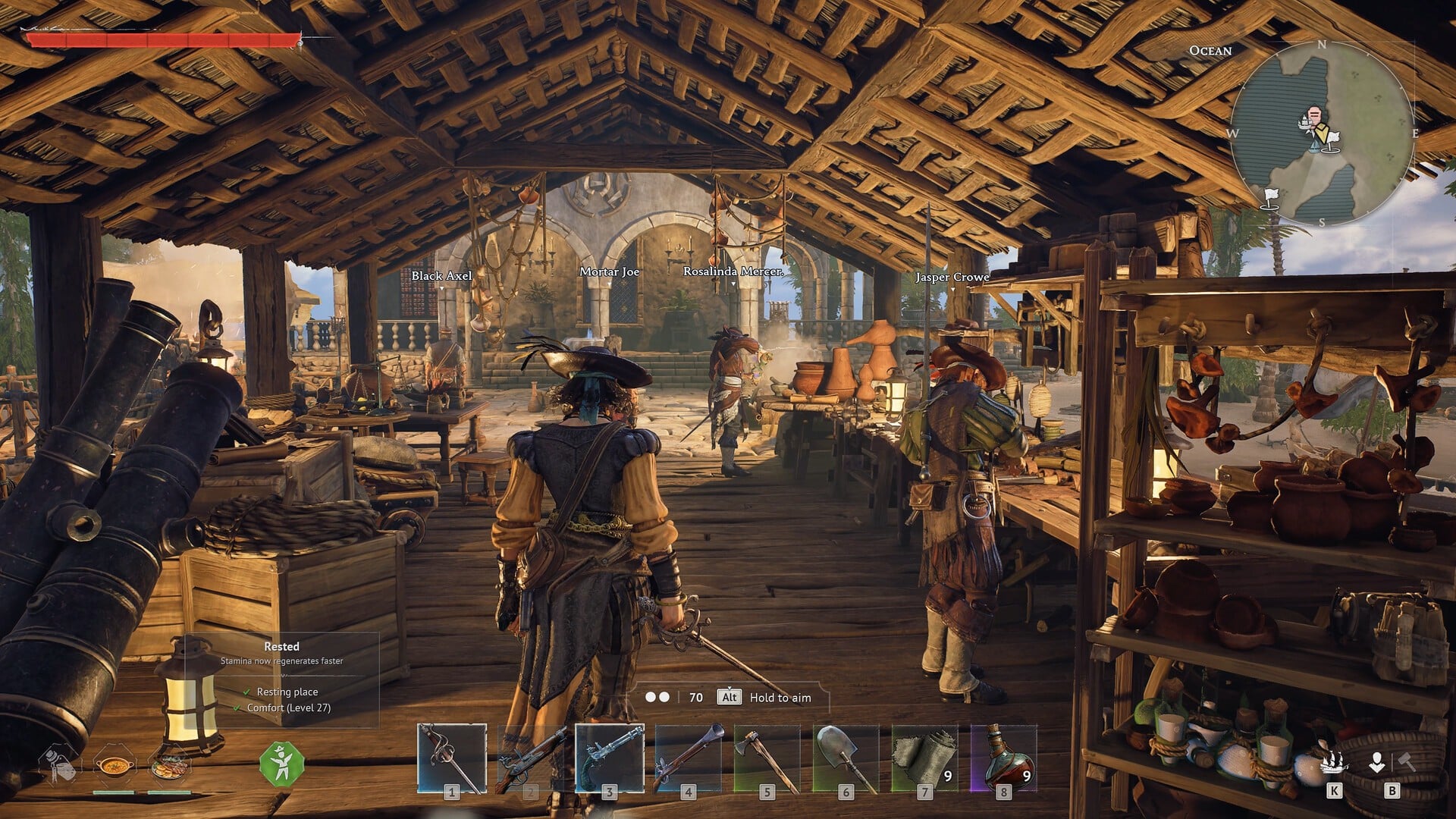
The immediate and overwhelming success of Windrose on Steam has inevitably led to fervent speculation and inquiries from the console gaming community regarding a potential PlayStation 5 or Xbox Series X/S release. Recognizing this significant interest, the developer has issued a clear, albeit cautious, statement regarding their plans for console integration.
As reported by GameSpot, the developer articulated their position: "The team doesn’t have any other updates about Windrose on consoles but do want to reiterate that they are enthusiastic about eventually coming to consoles but are focused on 1.0 launch first." This statement provides a transparent insight into the studio’s strategic priorities. Their primary objective is to deliver a complete, stable, and feature-rich 1.0 version of Windrose on PC before diverting resources to console porting. This approach is common among early access developers, as it ensures that the foundational PC version is robust and well-received, minimizing the complexities and potential issues that can arise from simultaneously developing for multiple platforms.
The developer’s "enthusiasm" for console releases is a positive indicator for players on Xbox and PlayStation. It confirms that a console version is not merely a distant possibility but a definite aspiration. However, the emphasis on the 1.0 PC launch suggests that console players will need to exercise patience, as the porting process, optimization, and certification for console platforms can be extensive and time-consuming. This measured approach, while delaying immediate gratification for console enthusiasts, ultimately aims to deliver a high-quality experience across all platforms when the time is right, avoiding the pitfalls of rushed or poorly optimized ports.
Xbox Project Helix: A Paradigm Shift for Console Gaming
The discussion around Windrose‘s potential console release takes on an added layer of significance when considering Microsoft’s ambitious "Xbox Project Helix." This next-generation Xbox console, rumored to arrive in approximately "a year or two," represents a potentially transformative shift in the console gaming landscape. Project Helix has been publicly confirmed to support PC games natively, a monumental departure from traditional console ecosystems. This strategic move aims to blur the lines between PC and console gaming, offering Xbox players access to a vastly expanded library of titles that were previously exclusive to the PC platform.
For games like Windrose, which already boast native Xbox controller integration on PC, Project Helix could provide a direct and streamlined pathway to console availability. The implications are profound: instead of developers needing to undertake complex and costly porting efforts, which often involve extensive code refactoring, engine optimizations, and platform-specific certifications, Project Helix could theoretically allow PC games to run on the new Xbox console with minimal adjustments. This would drastically reduce the time-to-market for successful PC titles on Xbox, making the console a more attractive platform for both developers and players.
Microsoft’s strategy with Project Helix appears to be a direct response to the increasing convergence of gaming hardware and software. By embracing PC compatibility, Xbox aims to leverage the vast and diverse ecosystem of PC games, many of which originate from independent studios like the one behind Windrose. This could position the next-gen Xbox as a unique proposition, offering the ease of use and curated experience of a console with the expansive game library traditionally associated with PC. For players, this means potentially saying goodbye to the frustrating "waiting game" for PC-only hits to make their way to console, ensuring a more immediate and comprehensive gaming experience. It’s a bold move that could redefine what a "console" truly means in the modern gaming era.
Broader Market Implications and Future Outlook
The resounding success of Windrose carries broader implications for the gaming market, extending beyond the immediate fortunes of its developers. For the pirate genre, it signals a strong appetite for well-executed survival and adventure mechanics within this thematic setting. It demonstrates that with a clear vision and engaging gameplay, even a new IP can capture significant market share and rekindle interest in a genre that has seen its struggles. This might encourage other developers to explore pirate themes, potentially leading to a renaissance for swashbuckling adventures.
Furthermore, Windrose‘s performance reinforces the vitality of the early access model as a viable, and often highly profitable, pathway for game development. It empowers smaller studios to compete with larger publishers by fostering community involvement and generating revenue early in the development cycle. This democratizes game development to some extent, allowing innovative concepts to thrive without necessarily requiring massive initial investments from traditional publishing houses.
For Xbox and its Project Helix initiative, Windrose serves as a powerful case study. The rapid success of a PC-centric game with native Xbox controller support perfectly illustrates the potential value proposition of Project Helix. If the next-gen Xbox can truly offer seamless compatibility with such titles, it could significantly enhance the console’s library and appeal, attracting a wider demographic of players who appreciate both the curated console experience and the expansive diversity of PC gaming. This strategy could mitigate the perception of "console exclusives" being a limiting factor and instead position Xbox as a comprehensive gaming hub. The industry trend towards cross-platform play and platform agnosticism suggests that Microsoft’s vision for Project Helix is aligned with the evolving expectations of modern gamers, who increasingly demand flexibility in how and where they play their favorite titles.
Conclusion: A New Horizon for Pirate Adventures
Windrose has embarked on an impressive journey, launching into early access with immediate and overwhelming success. Its ability to capture the imagination of half a million players in just two days speaks volumes about its engaging gameplay, compelling theme, and the enduring appeal of the pirate fantasy. As the developers focus on refining the PC experience for its 1.0 launch, the console gaming community, particularly those eyeing the forthcoming Xbox Project Helix, watches with anticipation.
The game’s triumph not only revitalizes a genre that has yearned for a new flagship title but also highlights the dynamic potential of the early access model and the strategic foresight behind Microsoft’s next-generation console plans. Windrose stands as a beacon, promising not just more swashbuckling adventures but also a future where the seas between PC and console gaming may finally become calm, allowing all players to set sail together.