


An immersive psychological horror experience, OBEY THE VOICE, plunges players into a disorienting white room governed by four stark rules, promising survival in a world populated by unseen threats and conflicting directives. Developed by the studio behind the surreal IN THE FACADE WE TRUST, this latest offering promises to challenge players’ perceptions of reality, forcing them to navigate a labyrinth of fear and internal conflict. This analysis delves into the intricate narrative and psychological underpinnings of OBEY THE VOICE, exploring its thematic depth and potential implications for the player.
The Unsettling Labyrinth: Environment and Atmosphere
The game’s setting is a deliberate fusion of the mundane and the nightmarish. Players find themselves within a stark, sterile white room, a stark contrast to the unsettlingly familiar domestic interiors that form the backdrop of their journey. This juxtaposition, reminiscent of experimental facilities and dreamlike landscapes, creates an immediate sense of unease. The visual design, often described as a dream attempting to replicate reality, blurs the lines between the tangible and the illusory. This environment is not merely a stage but an active participant in the psychological torment, reinforcing the feeling of being subjected to an experimental procedure. The clear, concise rules presented on a whiteboard serve as the sole anchors of order in this chaotic mental space, yet the presence of external monsters and conflicting internal voices immediately undermines this perceived control. This paradox suggests that the player is not navigating a physical space but rather the fractured landscape of a distressed mind.
The game’s aesthetic draws clear parallels to the highly influential, albeit cancelled, Silent Hills P.T., particularly in its architectural design and the recurring motif of a looping, inescapable environment. This shared DNA suggests a deliberate attempt to tap into the potent psychological dread that P.T. so effectively cultivated. Beyond the visual, OBEY THE VOICE incorporates sophisticated psychological elements, such as fragmented radio broadcasts that offer cryptic clues to the protagonist’s past. These broadcasts, coupled with the menacing entities that stalk the player, evoke the deeply personal and psychological horrors seen in titles like Silent Hill 2, where monsters are manifestations of the protagonist’s inner turmoil.
Deconstructing the Manifestations: The Nature of the Monsters
The entities within OBEY THE VOICE are not arbitrary antagonists but rather carefully crafted symbolic representations of the protagonist’s internal struggles and the distorted reality he inhabits. Each monster is intrinsically linked to a specific set of rules or challenges, forcing the player to confront and interpret their meaning.
The Duality of Self: "Hot and Cold" Entity
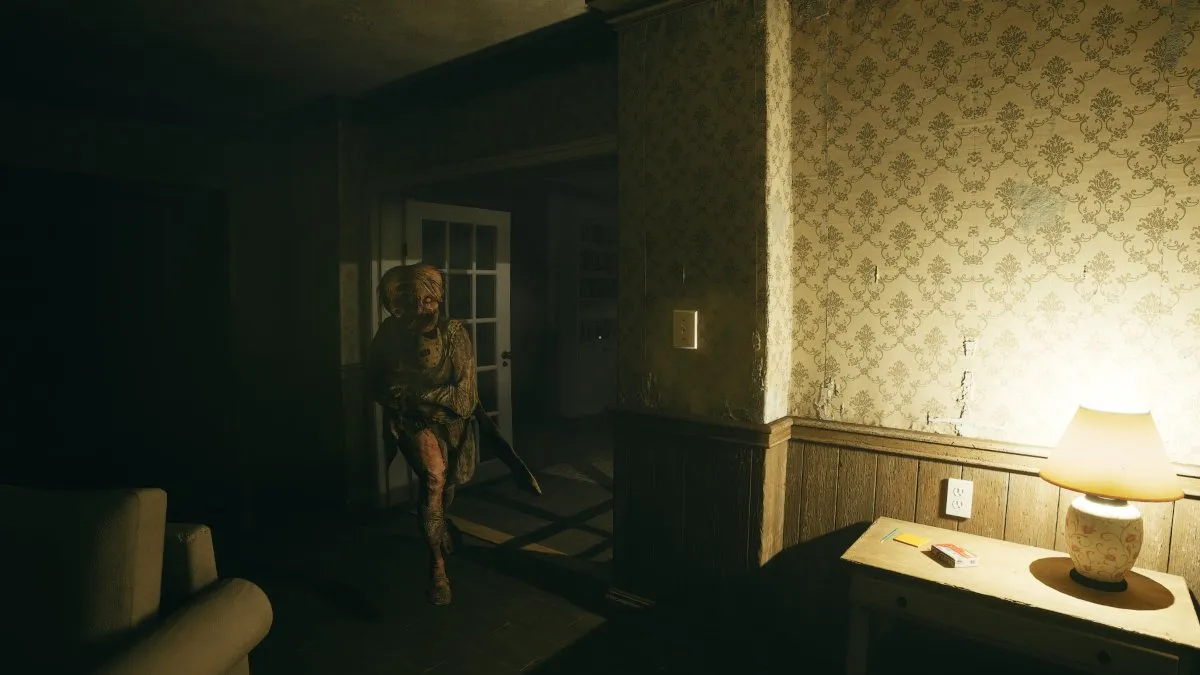
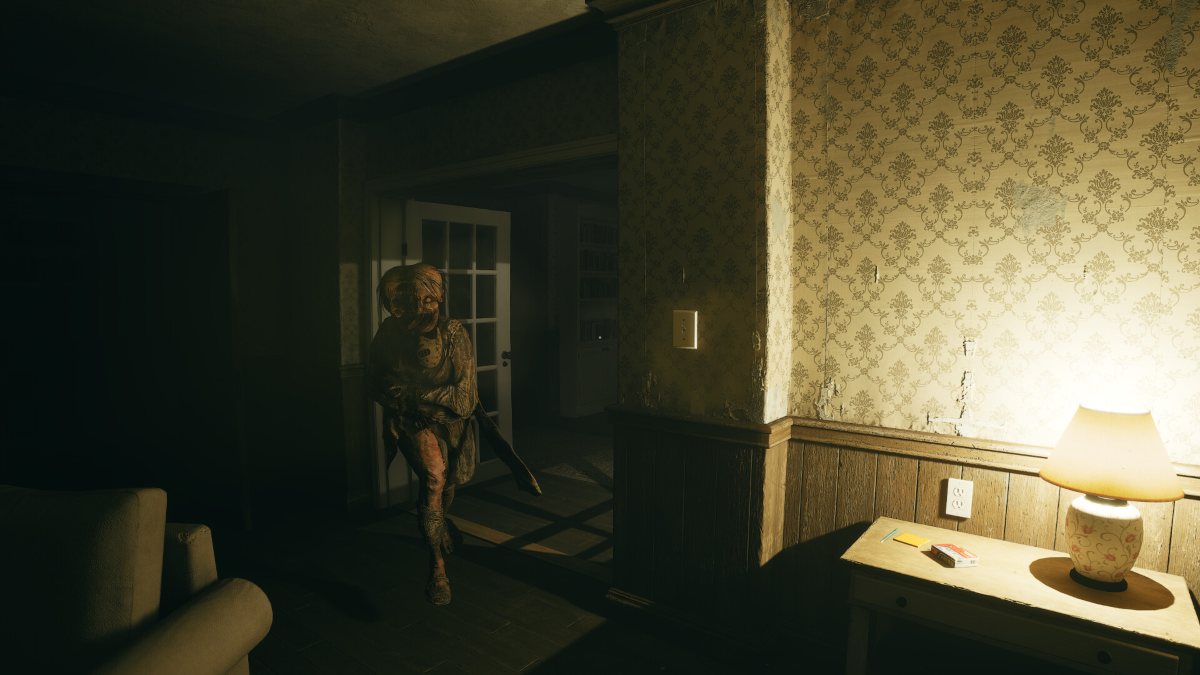
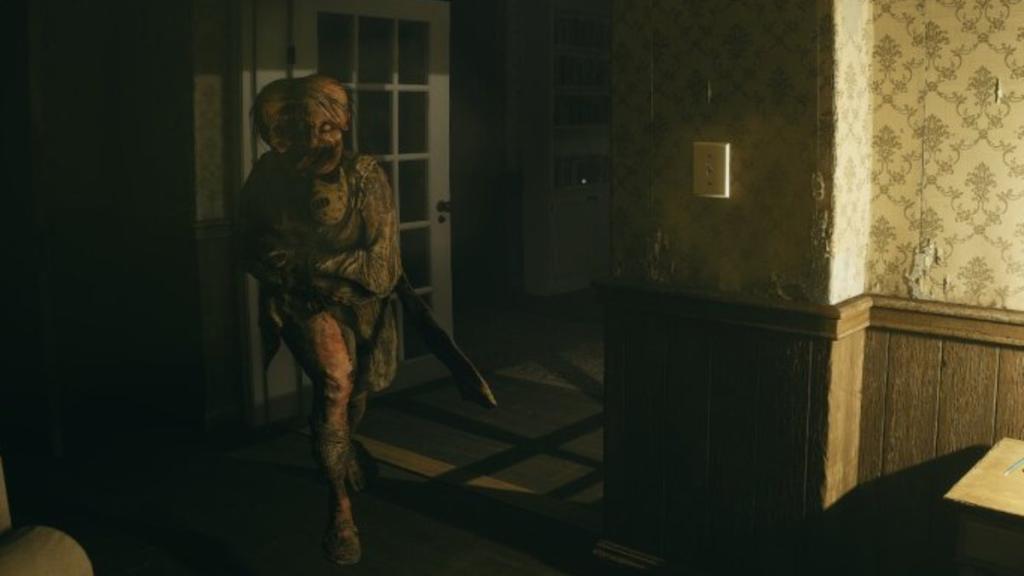
The "Hot and Cold" entity is a striking visual representation of internal conflict. Restrained by a straitjacket and a restraint mask, with its head split in two, this figure embodies the protagonist’s fractured psyche. The dual nature of its head signifies warring internal factions, constantly at odds with each other. The straitjacket and mask are widely interpreted as the protagonist’s outward presentation in the real world, a consequence of being deemed too violent and unpredictable following a traumatic incident. This points to a history of behavioral issues, potentially stemming from the same event that has led to his current psychological state. The visual metaphor suggests a struggle for control, where the protagonist’s aggression and erratic behavior are physically contained but not eradicated.

Identity Crisis: "Spot the Difference" and Fragmented Memories
While less detailed in its specific visual description in the original text, the mention of "mannequins" in the "Spot the Difference" segment strongly suggests a theme of lost identity and impersonation. Mannequins often symbolize soulless replicas or a lack of individuality. In the context of a psychological thriller, they could represent the protagonist’s fear of becoming a mere shell, a copy of someone else, or perhaps his own sense of being replaced or usurped. The accompanying "shadowy figure" further reinforces the idea of fragmented memories, hinting at the protagonist’s inability to recall or reconcile the events that have led him to this point. These elements collectively paint a picture of a character grappling with a profound loss of self.
The Echoes of Trauma: "The Voice Says" and "Red Light Green Light" Entities
The "Mother" entity, a tall female figure with a fetus in her abdomen, is a direct and harrowing representation of the protagonist’s most traumatic memory: the murder of his mother. The description of her limping and accelerating when mistakes are made suggests a relentless pursuit, a constant reminder of guilt and the irreversible nature of his actions. This level is understood as a visceral reliving of the incident, a twisted manifestation of the protagonist’s guilt and grief.
The "Red Light Green Light" segment introduces a variation of the Mother entity, her hands fused to her stomach in a protective, almost embracing gesture. This subtle but significant alteration suggests a deeper layer to the memory. It may reference the mother’s final moments, not just as a victim, but as a maternal figure attempting to comfort her son, even in her dying throes. This adds a layer of tragic complexity, highlighting the protagonist’s profound regret and the distorted lens through which he views his past. The entity’s increasing speed upon player error serves as a constant, terrifying reinforcement of the consequences of his actions, both past and present.
The Unseen Threat: "Find the Melody" and "Morse Code" Entities
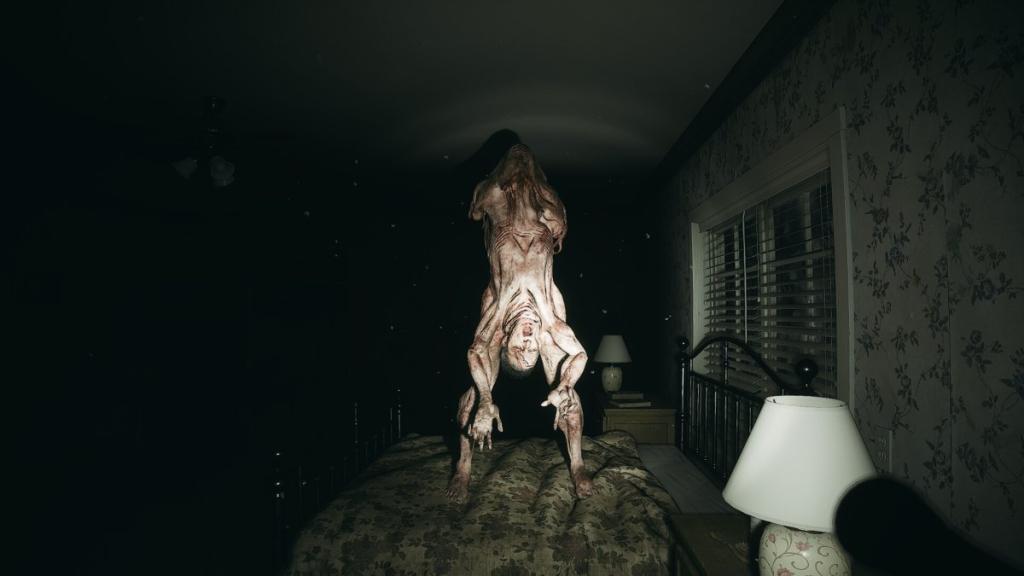
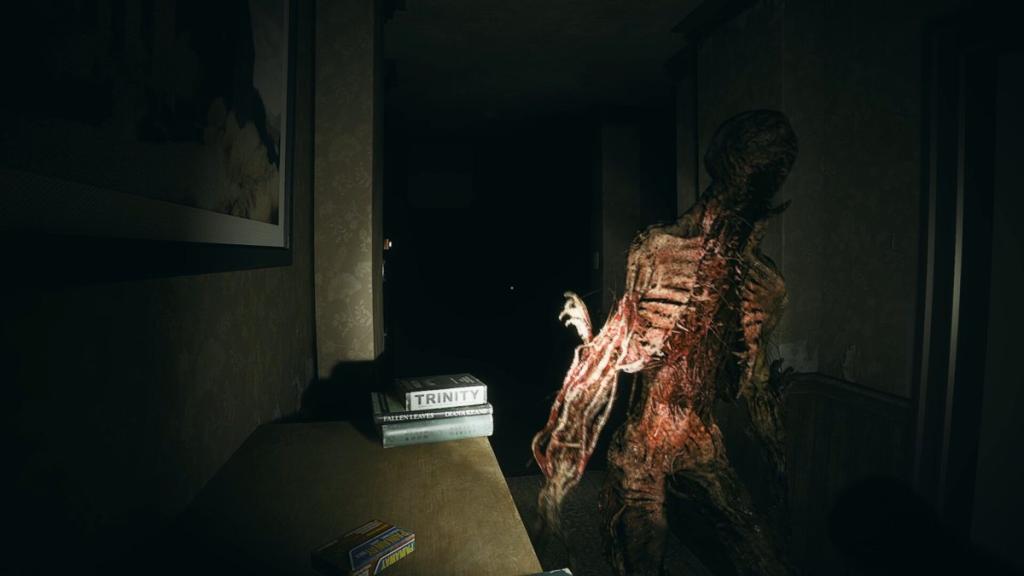
The "Find the Melody" entity, only visible through a camera flash, is a grotesque amalgamation of two fused human forms. Its body appears to be in the process of "birthing" a new head and limbs, with the remnants of the old form dangling from the groin. This disturbing imagery is interpreted as the manifestation of a dominant male voice within the protagonist’s mind, vying for control. This entity represents a confused and conflicted sense of self, a battle for identity where a new, aggressive persona is attempting to emerge from the remnants of the old. The entity’s exposure and vulnerability when illuminated by the flash suggests that this internal struggle is not yet fully realized, a nascent force battling for dominance.
The "Morse Code" entity, described as a multi-armed figure with no discernible facial features save for a large, ribcage-encompassing mouth, embodies the protagonist’s psychological unraveling. Its amorphous and unsettling form suggests a descent into madness, an inability to confront or acknowledge the trauma directly. The lack of a defined face could symbolize the loss of self or the inability to recognize oneself in the face of such profound distress. This entity represents the ultimate breakdown of the protagonist’s mental defenses, a raw and unfiltered expression of his internal torment.
The Chorus of Internal Voices: Navigating the Psychological Landscape
OBEY THE VOICE features three distinct vocal presences that guide, challenge, and potentially deceive the player.

The primary directive comes from The Voice, an authoritative overseer who dictates the rules and objectives for each level. This entity is presented as a real individual, overseeing the protagonist’s "treatment." However, the integrity of this authority is constantly challenged by the other voices, blurring the lines between a genuine therapeutic process and a manipulated psychological experiment.
Counterbalancing The Voice is a female voice. This benevolent presence actively questions and defies the commands issued by The Voice, attempting to steer the player towards a path of self-preservation and truth. This voice is interpreted as representing a more innocent aspect of the protagonist’s fractured psyche, a part that resists the encroaching darkness and the manipulative forces at play.
The third vocal presence is a male voice, characterized by a strong desire for control. This voice represents an aggressive, dominant personality, potentially the one responsible for the protagonist’s violent tendencies and the traumatic events.
The narrative reveals that the protagonist, identified as "Patient 10," is not the sole occupant of his mind. The incident involved his mother’s murder, but also the survival of a teenage girl and his older brother, the protagonist. It is posited that a week prior to the violent incident, an external force or entity began to exert influence, taking control of the protagonist’s persona. This external influence, coupled with the protagonist’s pre-existing mental state, has led to the manifestation of Dissociative Identity Disorder (DID).
The contradictory voices are not separate entities in the traditional sense but rather distinct identities co-existing within Patient 10’s mind. As the player progresses through the "consciousness transfer procedure" – the game’s central objective – these internal voices become more active and pronounced. The tests within OBEY THE VOICE are designed to analyze Patient 10’s cognitive functions, including memory, attention, problem-solving, and decision-making, with the ultimate goal of consolidating his primary identity.
The Conclusive Interpretation: Understanding the Ending
The game’s revelation of DID complicates the understanding of the "consciousness transfer procedure." The crucial detail is that the distinct identities within Patient 10 were not in direct communication with each other. While The Voice monitored their interactions – their arguments and their attempts to collectively defy the procedure – the identities themselves were only conversing with Patient 10.
This lack of inter-identity communication leads The Voice to conclude that Patient 10 is being controlled by an aggressive persona, the perpetrator of the crime. The implication of the "consciousness transfer procedure" thus shifts from mere consolidation to a more sinister form of psychological cleansing. The objective appears to be the extraction and elimination of the aggressive persona, drawing it out to be isolated and punished.
However, this process comes at a significant cost. The "innocent" identities, those not directly responsible for the crime, are systematically deleted from Patient 10’s consciousness. This leaves only the guilty persona, the perpetrator, to face the consequences of his actions. The ending, therefore, presents a morally ambiguous resolution: while the perpetrator is identified and seemingly held accountable, the process involves the erasure of other, non-culpable aspects of Patient 10’s personality. This raises profound questions about the nature of identity, guilt, and the ethics of psychological manipulation, even when ostensibly aimed at justice. The game leaves players to ponder whether this forced consolidation, achieved through the eradication of other selves, truly constitutes a resolution or a further descent into a controlled form of mental annihilation. The "OBEY THE VOICE" title takes on a chilling new dimension as the player realizes that obeying the primary voice may lead to the destruction of other internal voices, effectively silencing parts of oneself in the pursuit of a singular, ‘guilty’ identity.