


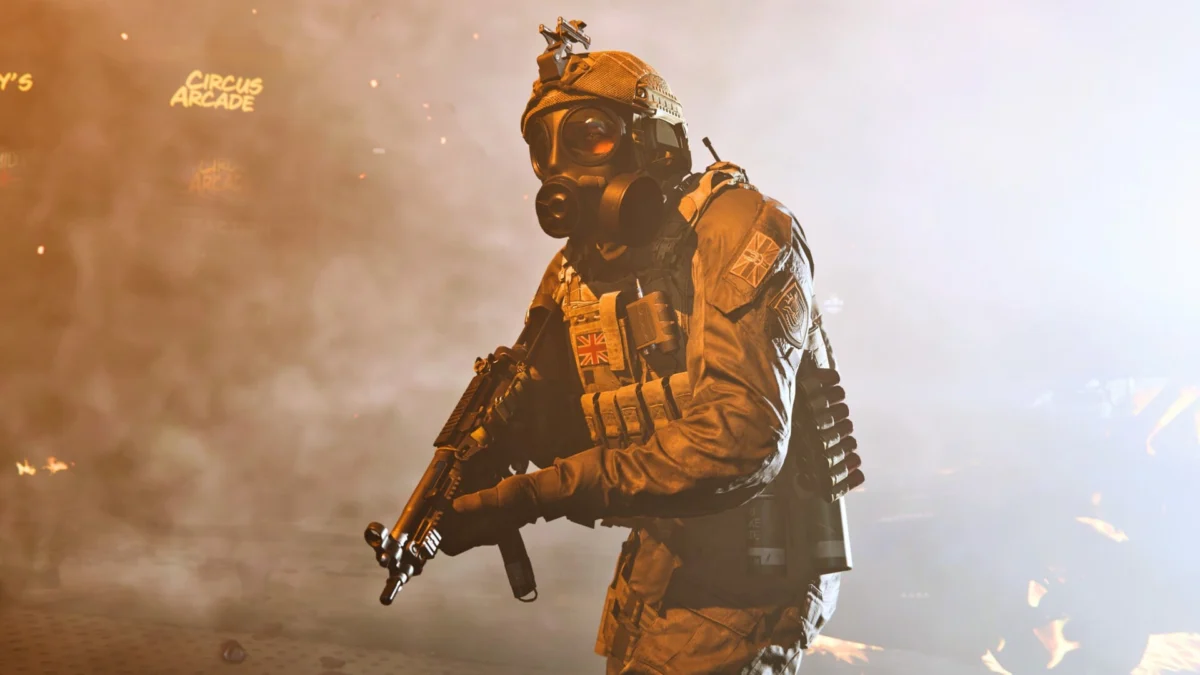
The landscape of the first-person shooter market is witnessing a significant shift in momentum as Activision and its lead developer, Infinity Ward, begin laying the groundwork for the 2026 installment of the Call of Duty franchise. While the gaming industry typically focuses on the immediate release cycle, recent tactical maneuvers by the publisher have ignited widespread speculation that the series will return to its most successful sub-brand: Modern Warfare. This speculation is bolstered by unprecedented promotional activity surrounding 2019’s Modern Warfare reboot, a strategic pricing shift on digital storefronts, and early marketing leaks that suggest a multi-year plan is already in motion for what many are tentatively calling Modern Warfare 4.
The Steam Catalyst: An Unprecedented Deep Discount
In a move that has caught industry analysts by surprise, Call of Duty: Modern Warfare (2019) recently saw its price slashed by 90% on the Steam platform. For a franchise known for maintaining high price points long after a game’s initial launch, this discount represents a radical departure from standard Activision Blizzard pricing strategies. Historically, older Call of Duty titles rarely drop below a 50% or 60% discount, even during major seasonal sales. The decision to offer the 2019 title at a near-nominal price point is being viewed not merely as a clearance sale, but as a calculated effort to re-engage the player base with the Modern Warfare narrative and mechanical ecosystem.
Accompanying this discount, Infinity Ward unexpectedly enabled a "Double XP" weekend for the six-year-old title. Activating legacy server bonuses for a game that has been superseded by multiple sequels is a rare occurrence in the Call of Duty lifecycle. This combination of a low barrier to entry and incentivized gameplay has resulted in a massive resurgence of activity. Data from SteamDB indicates that Modern Warfare (2019) reached a peak concurrent player count of over 60,000 in the last 24 hours. Notably, this figure exceeds the active player counts of the unified Call of Duty launcher—which currently houses the more recent Warzone and Black Ops installments—on the same platform.
Chronology of the Modern Warfare Reboot Era
To understand the significance of the 2026 rumors, it is essential to trace the timeline of the Modern Warfare sub-series since its reinvention.
- October 2019: Infinity Ward releases Call of Duty: Modern Warfare, a "soft reboot" of the original 2007 classic. It introduced the IW 8.0 engine, which brought a new level of photorealism and tactical gameplay to the franchise.
- March 2020: The launch of Warzone, integrated directly into the Modern Warfare engine, transforms Call of Duty into a live-service powerhouse.
- October 2022: Call of Duty: Modern Warfare II launches, breaking franchise records for the fastest climb to $1 billion in revenue.
- November 2023: Call of Duty: Modern Warfare III is released. Despite being developed primarily by Sledgehammer Games, it continued the narrative arc established by Infinity Ward, though it faced criticism regarding its development cycle and perceived status as a "premium expansion."
- March 2026 (Projected): Early retail leaks via brand collaborations (such as Fanta) begin appearing, hinting at a "Modern Warfare" themed marketing push for the 2026 fiscal year.
This timeline illustrates a consistent three-year cycle for the Modern Warfare brand, which remains the cornerstone of Activision’s annual revenue targets. With Treyarch currently managing the Black Ops cycle, the return to Infinity Ward’s signature series in 2026 aligns with the internal three-studio rotation (Infinity Ward, Treyarch, and Sledgehammer Games).
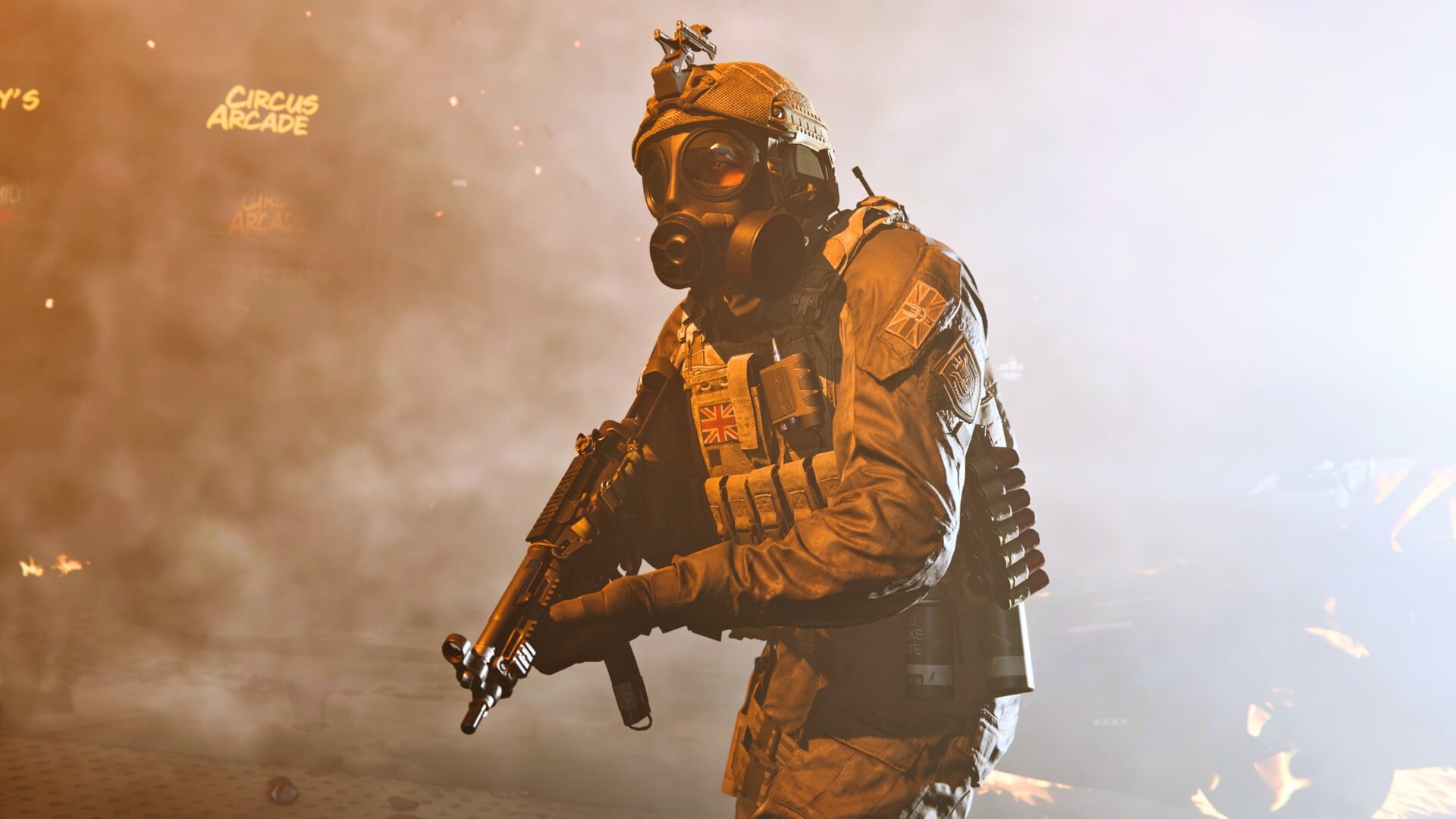
Analyzing the Player Surge and Market Sentiment
The recent spike to 60,000 concurrent players on Steam for a 2019 title serves as a powerful metric for Activision’s data analysts. It suggests that despite the release of newer titles, the specific "feel" and "gunplay" of the 2019 Modern Warfare remain the gold standard for a significant portion of the community. This data provides a clear mandate for the development of Call of Duty 2026: there is an enduring appetite for the grounded, tactical aesthetic that Infinity Ward pioneered.
Market analysts suggest that by funneling players back into the 2019 title, Activision is effectively "priming the pump." For a younger generation of gamers who may have started with Warzone or more recent entries, experiencing the 2019 campaign and multiplayer serves as an onboarding process for the narrative stakes of a potential Modern Warfare 4. From a corporate perspective, this high engagement level also increases the value of the Call of Duty intellectual property within the Microsoft Gaming ecosystem, particularly as the company navigates the integration of these titles into the Xbox Game Pass service.
The "Fanta Leak" and Corporate Synergy
While the Steam discount provided the most recent evidence of a Modern Warfare revival, the first physical clues emerged earlier this month. Branded soda cans, specifically Fanta, were spotted at various international retailers featuring promotional art and Call of Duty 2026 branding. While retail leaks are common in the gaming industry, the specific timing—nearly two years ahead of the projected launch—suggests a highly coordinated, long-term marketing strategy.
Corporate partnerships of this scale usually involve multi-year contracts and are tied to the most recognizable sub-brands to ensure maximum ROI. The use of Modern Warfare-style iconography on these promotional materials reinforces the theory that the 2026 title will not be a new experimental IP or a return to a niche setting like Ghosts or Infinite Warfare, but rather a continuation of the Task Force 141 saga.
Infinity Ward at the Helm: Technical and Narrative Expectations
As the primary developer for the 2026 title, Infinity Ward faces the challenge of evolving a sub-brand that has already seen three major releases in the last seven years. Industry insiders suggest that the 2026 game will likely utilize a further iteration of the unified Call of Duty engine, aiming to bridge the gap between current-generation consoles and the next wave of hardware.
Narratively, a potential Modern Warfare 4 would need to address the cliffhangers left at the end of the 2023 installment. With the return of iconic characters like Captain Price, Ghost, and Soap MacTavish, the franchise has leaned heavily into "nostalgia-bait" while attempting to modernize the geopolitical themes of the original trilogy. The focus for 2026 is rumored to be an even greater emphasis on open-world elements within the campaign, a feature that was introduced with mixed results in Modern Warfare III.

Broader Implications for the Call of Duty Franchise
The strategic focus on Modern Warfare for 2026 carries broader implications for how Activision Blizzard, now under the stewardship of Microsoft, manages its most valuable asset.
1. The End of the "Premium Expansion" Controversy
The 2023 release of Modern Warfare III was plagued by reports that it began life as an expansion for its predecessor. By signaling the development of a major 2026 title this early, and by re-engaging the community through legacy titles, Activision appears to be returning to a "full-cycle" development philosophy. This suggests that the 2026 game will be positioned as a major technological leap rather than an iterative update.
2. The Role of Steam and PC Gaming
The decision to use Steam as the primary platform for this promotional push highlights the growing importance of the PC market for Call of Duty. After years of being exclusive to the Battle.net launcher, the franchise’s return to Steam has allowed for more transparent data tracking and a broader reach into global markets. The 90% discount is a direct play for the "wishlist" demographic on Steam, converting casual observers into active players who will likely be marketed to for the 2026 launch.
3. Subscription Service Strategy
With Microsoft now owning the franchise, the 2026 title will likely be a Day One release on Xbox Game Pass. By building hype through deep discounts on older titles now, Microsoft is creating a funnel of players who will be more inclined to maintain their subscriptions to access the latest entry in 2026. This move aligns with Microsoft’s broader goal of increasing the "lifetime value" of a gamer rather than relying solely on the $70 upfront purchase price.
Conclusion and Future Outlook
While Activision has yet to officially unveil the title or specific details for the 2026 release, the evidence provided by the Steam metrics and retail leaks points toward a definitive return to the Modern Warfare universe. The 60,000-player surge for a legacy title proves that the brand remains the most potent force in the FPS genre. As Infinity Ward continues development, the industry will be watching for an official reveal, likely during the traditional "Call of Duty Next" or Xbox Summer Showcase events in the coming years.
For now, the message from the developers is clear: Modern Warfare is not a relic of the past, but the foundation of the franchise’s future. The unprecedented 90% discount on Steam serves as both a gift to the community and a strategic beacon, signaling that the road to 2026 has officially begun. Players can expect more "hints" to materialize as the 2025 cycle approaches, but for the millions of fans of Task Force 141, the return to modern-day combat appears to be an inevitability.