


Microsoft Corporation has signaled a significant strategic pivot for its Xbox gaming division as it prepares for the brand’s thirtieth anniversary in 2031. Following a series of leadership transitions and shifts in software distribution models, Microsoft CEO Satya Nadella has publicly addressed the necessity of aligning the company’s output with the core expectations of its dedicated user base. This directive comes at a critical juncture for the gaming giant, which is currently navigating the integration of massive acquisitions, the development of next-generation hardware under the codename "Project Helix," and a broadening of its ecosystem across console, PC, and cloud platforms.
The Social Contract: Nadella on Fan Expectations
During a recent executive summit, Satya Nadella emphasized that the future of Xbox depends on maintaining the trust of its long-term enthusiasts. Nadella noted that the brand must "live up" to the legacy it has built since the original Xbox launched in 2001. Specifically, he highlighted the importance of platform-defining franchises and the hardware environments in which they reside.
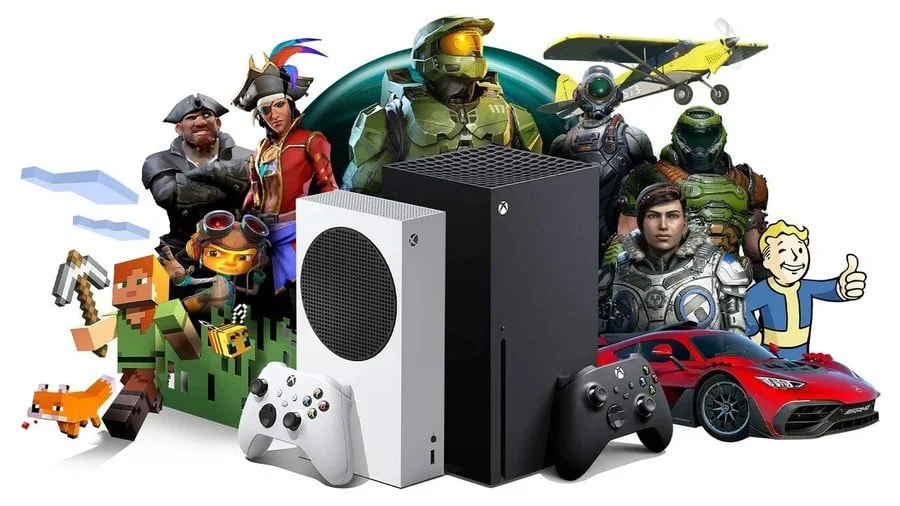
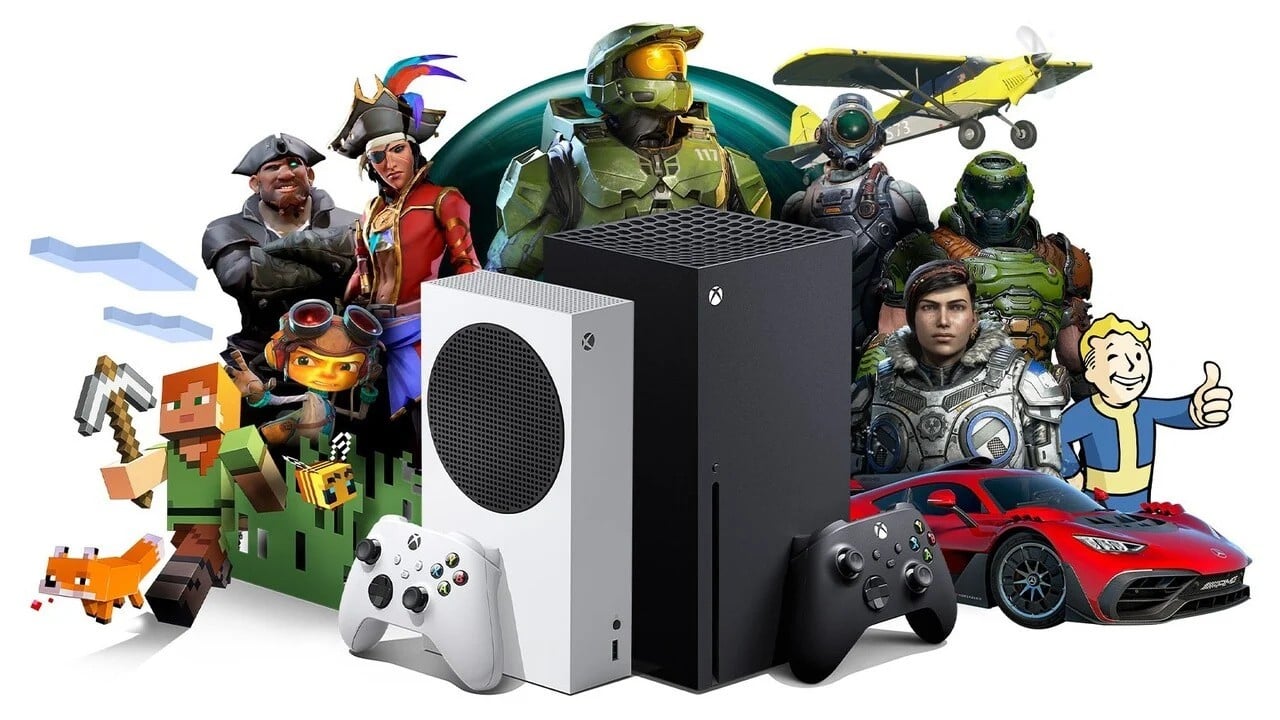
"We have to really make sure, whether it’s console, whether it’s PC, whether it’s the lover of Forza, Halo, we really want to make sure they love us for what they expect us to do," Nadella stated. This commentary suggests a renewed focus on "prestige" first-party development, a sector where Microsoft has faced scrutiny regarding consistency and release cadence in previous years. By naming Halo and Forza specifically, Nadella signaled that while the company is exploring multi-platform opportunities, the "North Star" of the brand remains its foundational intellectual properties.
Industry analysts interpret these comments as an acknowledgement of the "social contract" between a platform holder and its fans. As Microsoft has moved toward a "gaming everywhere" strategy—releasing former exclusives on competing platforms like the PlayStation 5 and Nintendo Switch—concerns have risen among the Xbox "loyalist" demographic regarding the intrinsic value of the hardware. Nadella’s statement appears designed to reassure this core audience that the console remains a primary pillar of the Microsoft Gaming strategy.
The Asha Sharma Era and Leadership Transition
The strategic refocusing coincides with a major shift in the Xbox hierarchy. In early 2026, Asha Sharma officially assumed the role of Xbox CEO, succeeding Phil Spencer, who transitioned to a broader advisory role within Microsoft’s gaming and artificial intelligence divisions. Sharma, who previously held high-level executive positions at Meta and Instacart, brings a background focused on product scale, user experience, and digital ecosystems.
In her inaugural statements, Sharma suggested that "everything is on the table" regarding the future of Xbox. This includes a re-evaluation of how Game Pass is structured, the cadence of hardware refreshes, and the expansion of the Xbox mobile store. Unlike her predecessors, who focused heavily on the "Green Team" community aspect, Sharma’s approach is expected to be more data-driven, focusing on sustainable growth in an era where development costs for AAA titles frequently exceed $200 million.
The transition to Sharma’s leadership marks the beginning of what internal memos describe as "Xbox Phase 4." This phase is defined by the total integration of Activision Blizzard King (ABK) assets and a transition away from the traditional console-war metrics toward a "Total Active Users" (TAU) metric across all screens.
A Chronology of Xbox: The Road to 2031
To understand the weight of the 2031 thirtieth-anniversary goal, it is necessary to examine the trajectory of the brand over the last decade.
- 2017–2020: The "Turnaround Years." Under Phil Spencer, Microsoft launched Xbox Game Pass and the Xbox Series X/S, shifting focus toward services. The acquisition of ZeniMax Media (Bethesda) for $7.5 billion in 2020 set the stage for large-scale consolidation.
- 2023: The completion of the $68.7 billion acquisition of Activision Blizzard King, the largest deal in gaming history. This provided Microsoft with massive mobile presence via Candy Crush and a perennial blockbuster in Call of Duty.
- 2024–2025: The "Multi-platform Experiment." Microsoft began releasing selected first-party titles on rival consoles to maximize software revenue, leading to internal and external debates about the necessity of Xbox hardware.
- 2026 (Current): Leadership passes to Asha Sharma. Major releases such as Fable and Gears of War: E-Day are slated for the fiscal year to bolster the first-party lineup.
- 2027 (Projected): Developers are expected to receive hardware kits for "Project Helix," the next-generation Xbox console.
- 2031: The 30th Anniversary of Xbox. This milestone is being targeted as the point by which Microsoft aims to have achieved a seamless, hardware-agnostic gaming ecosystem that still maintains a "premium" console entry point.
Project Helix and Next-Generation Hardware
Central to Nadella’s promise of living up to expectations is the continued investment in high-end hardware. Despite the growth of PC and cloud gaming, Microsoft has confirmed that it is working on what it describes as the "largest technical leap ever seen in a hardware generation."
Currently known as "Project Helix," this next-generation initiative is rumored to involve a two-pronged hardware approach. Internal reports suggest a traditional high-performance home console designed to compete with future Sony iterations, alongside a dedicated handheld device aimed at capturing the market share currently dominated by the Nintendo Switch and Steam Deck.
By providing developers with kits as early as 2027, Microsoft aims to avoid the "content drought" that plagued the early years of the Xbox Series X/S. The goal for Project Helix is to integrate AI-driven upscaling (a proprietary version of Microsoft’s "DirectSR") and cloud-hybrid processing to ensure that games can run at 4K resolution with high frame rates without the exponential increase in power consumption seen in current hardware.
Financial Performance and Market Realities
The enrichment of the Xbox ecosystem is driven by a necessity for financial diversification. In the most recent fiscal quarters, Microsoft’s gaming revenue saw a 50% year-over-year increase, largely attributed to the inclusion of Activision Blizzard’s portfolio. However, hardware sales have seen a steady decline, a trend that mirrors a broader industry shift as console cycles lengthen and PC gaming becomes more accessible.
Data from market research firms indicates that while the "console" remains the heart of the Xbox brand for enthusiasts, over 40% of Xbox’s total gaming revenue now originates from PC and mobile platforms. This reality informs Nadella’s insistence on supporting "the lover of Forza, Halo" on both console and PC. To sustain the thirtieth-anniversary vision, Microsoft must balance the high-margin software sales on PC with the low-margin but high-engagement hardware ecosystem.

Implications for First-Party Development
For Microsoft to meet fan expectations by 2031, the company’s first-party output must achieve a level of consistency that has historically eluded the brand. The 2026-2027 window is viewed as a "litmus test" for this strategy.
- Fable: Developed by Playground Games, this reboot represents Microsoft’s attempt to reclaim the RPG market.
- Gears of War: E-Day: This prequel aims to return the franchise to its horror-action roots, appealing to the "long-term fans" Nadella mentioned.
- Halo’s Future: Following the mixed reception of Halo Infinite’s live-service model, reports suggest a "soft reboot" of the franchise’s development philosophy, moving toward Unreal Engine 5 to streamline production.
The challenge for Asha Sharma will be managing these diverse studios—ranging from the creative-heavy Bethesda to the machine-like efficiency of Call of Duty developer Infinity Ward—under a single cohesive vision that feels uniquely "Xbox."
Conclusion: The Vision for 2031
As Xbox approaches its third decade, the brand is attempting a difficult transition. It must evolve into a software-centric powerhouse capable of competing with Tencent and Sony on a global scale, while simultaneously maintaining the "premium" identity of a hardware manufacturer that caters to its most vocal and loyal supporters.
The roadmap to 2031 is fraught with challenges, including the potential for "brand dilution" as exclusives become multi-platform and the technical hurdles of launching a new generation of hardware in a shifting economic climate. However, Satya Nadella’s recent comments suggest that Microsoft is no longer viewing gaming as a peripheral experiment, but as a core pillar of the company’s identity.
The success of this strategy will be measured not just in hardware units sold, but in whether the "lover of Forza and Halo" still feels that the Xbox ecosystem is the best place to play. With "Project Helix" on the horizon and a new leadership team at the helm, the next five years will determine if Xbox’s 30th anniversary is a celebration of a market leader or a retrospective on a brand that moved beyond its original borders.