


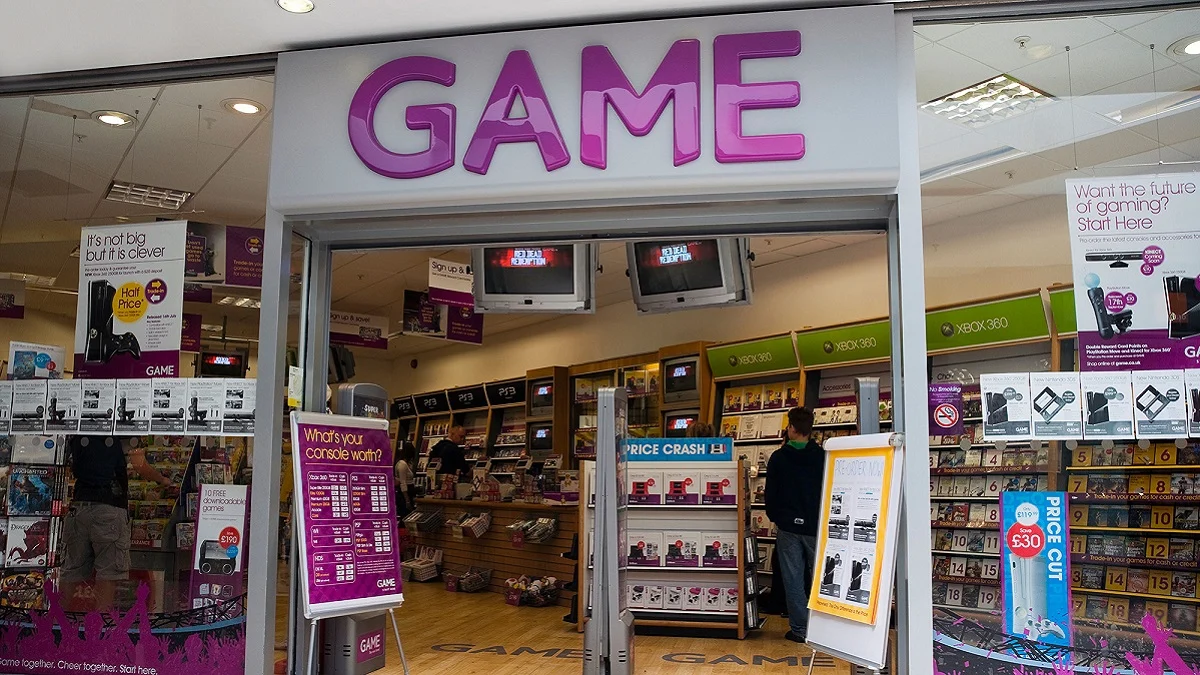
The UK video game retail landscape, already reeling from a turbulent year marked by widespread redundancies and studio closures, is facing further disruption as staff at the prominent chain GAME have reportedly been informed of impending layoffs. This development, revealed through anonymous sources speaking to Eurogamer, signals a significant shift in employment practices within the company, with a majority of its non-managerial workforce being transitioned to zero-hours contracts. While official confirmation from GAME remains pending, the news casts a long shadow over the future of physical game retail in the United Kingdom and highlights the ongoing challenges faced by traditional brick-and-mortar businesses in an increasingly digital world.
The reports indicate that employees have been alerted to the possibility of redundancies, a move that would represent a further contraction in the already precarious job market within the gaming sector. The transition to zero-hours contracts means that employees will no longer be guaranteed a set number of working hours each week or month, introducing a significant degree of financial uncertainty. These changes are reportedly being communicated via phone or email, with individual staff members being contacted to discuss their employment status. Eurogamer has actively sought comment from GAME regarding these developments, underscoring the industry’s keen interest in the retailer’s operational adjustments.
A Deeper Dive into the Current Industry Climate
The situation at GAME is not an isolated incident but rather a symptom of broader economic and technological shifts impacting the video game industry. Over the past eighteen months, the sector has witnessed a sobering wave of layoffs. Major publishers and developers, from Microsoft and Sony to smaller independent studios, have all implemented significant workforce reductions. These cuts have been attributed to various factors, including post-pandemic market corrections, a slowdown in consumer spending, and the escalating costs associated with developing increasingly complex and ambitious game titles. Data from industry analytics firms has consistently pointed to a cooling of the gaming market following a period of unprecedented growth during the COVID-19 pandemic. For instance, reports from Circana (formerly NPD Group) have indicated a dip in video game spending in key markets like the US in recent quarters compared to pandemic-era highs. This macroeconomic environment places immense pressure on all players in the ecosystem, including retailers.
The Retailer’s Historical Significance and Evolving Challenges
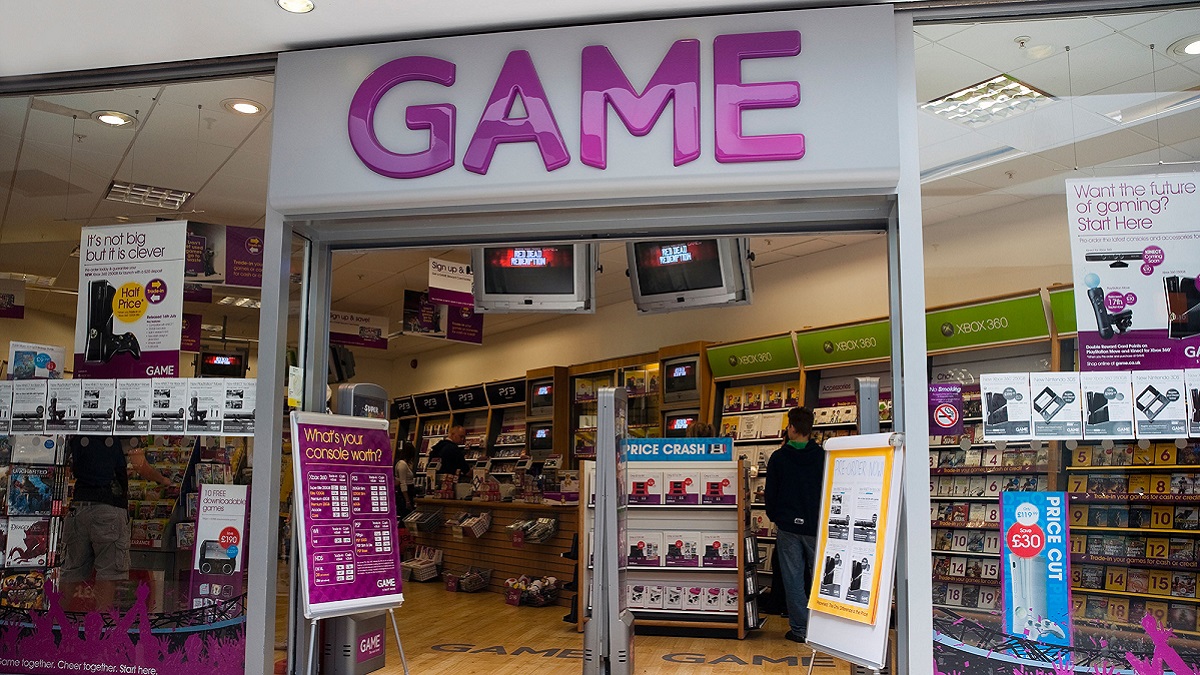
GAME, once a dominant force in physical game sales in the UK, has a long and storied history. Established in 1992, it grew to become a ubiquitous presence on high streets across the nation, boasting over 250 outlets at its peak. For a generation of gamers, GAME was the primary destination for purchasing new releases, pre-ordering anticipated titles, and engaging with the gaming community. The allure of browsing shelves filled with the latest console games, discussing upcoming titles with knowledgeable staff, and participating in in-store events was a cornerstone of the gaming experience. The company’s early success was built on a model that catered to a physical-first market, offering a tangible product and an in-person shopping experience.
However, the inexorable rise of digital distribution has fundamentally altered the retail landscape. Platforms like Steam, PlayStation Store, Xbox Games Store, and Nintendo eShop now offer immediate access to vast libraries of games, eliminating the need for physical media for a significant portion of the consumer base. This seismic shift has eroded the traditional revenue streams for brick-and-mortar retailers like GAME. The convenience, often lower prices, and instant gratification offered by digital downloads have proven increasingly attractive to a growing segment of gamers.
The Frasers Group Acquisition and Strategic Adjustments
In 2019, recognizing the financial pressures, the Frasers Group, a retail conglomerate known for its ownership of Sports Direct and House of Fraser, acquired GAME. This acquisition was seen by some as a lifeline, injecting capital and potentially offering new strategic directions. However, the underlying challenges of a declining physical market persisted. More recently, earlier this year, GAME announced the discontinuation of its popular trade-in service for games and consoles. This move, while likely aimed at streamlining operations and potentially reducing costs associated with managing used inventory, further signaled a departure from some of the customer-centric services that had long defined the GAME experience. The trade-in service, in particular, was a significant draw for many customers, offering a way to recoup some of the cost of new games by trading in older titles. Its removal could alienate a segment of the customer base and reduce foot traffic to stores.
The Impact of Zero-Hours Contracts
The reported move to zero-hours contracts for non-managerial staff is a significant operational change with profound implications for the workforce. Zero-hours contracts, while offering flexibility to employers, place the burden of income security squarely on the employee. Workers on these contracts have no guarantee of work and are not entitled to certain employment rights, such as statutory sick pay or holiday pay, unless they meet specific qualifying criteria and hours worked. This contrasts sharply with traditional employment contracts that offer a degree of predictability in terms of hours and pay. For individuals relying on stable income for budgeting, rent, or mortgage payments, this shift can create substantial hardship and anxiety.
Analysis of the Broader Implications
The potential redundancies and the shift to zero-hours contracts at GAME could have several far-reaching implications:
- Further Erosion of Physical Game Retail: If these changes lead to store closures or a significant reduction in staffing levels, it will further diminish the presence of physical game stores on UK high streets. This could impact the accessibility of games for those who prefer physical media or who lack reliable internet access for digital downloads.
- Impact on the Gaming Community: GAME stores have historically served as community hubs for gamers. Reduced staffing or store closures could diminish opportunities for in-person interaction, local tournaments, and the shared experience of browsing and discussing games.
- Employee Welfare and Job Security: The transition to zero-hours contracts raises concerns about the welfare and job security of GAME’s employees. The lack of guaranteed hours can make it difficult for individuals to plan their lives and secure financial stability.
- Industry Signal: The struggles of a prominent retailer like GAME serve as a stark reminder of the evolving dynamics of the video game industry. It underscores the need for all businesses within the sector to adapt to changing consumer behaviors and technological advancements.
The current situation at GAME is a microcosm of the challenges facing traditional retail in the digital age, amplified by the specific economic pressures within the video game industry. As the company navigates these turbulent times, the focus remains on how these operational shifts will ultimately shape its future and, more immediately, the lives of its dedicated workforce. The coming weeks and months will likely reveal the full extent of these changes and their impact on both the company and the broader UK gaming community. The lack of official comment from GAME at this juncture only serves to heighten the anticipation and concern surrounding its future trajectory. The industry will be watching closely to see how this significant player in physical game retail adapts, or potentially recedes, in the face of ongoing transformation.