


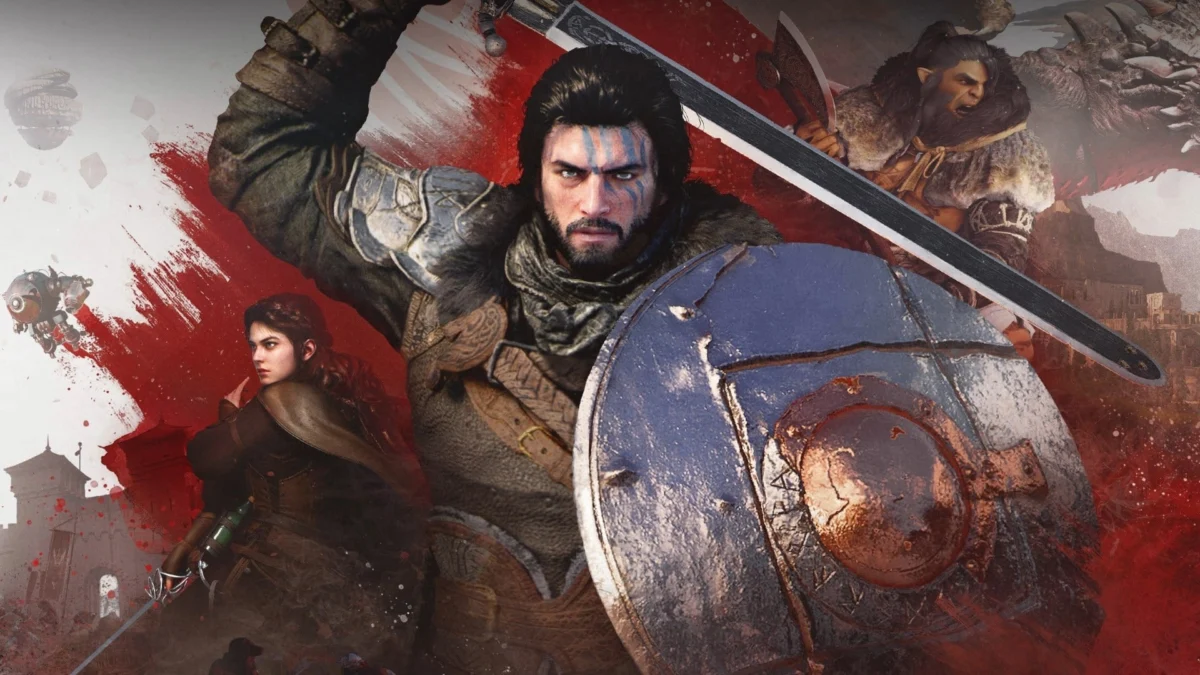
Today marks a pivotal moment for Pearl Abyss’s highly anticipated title, Crimson Desert, as it officially launches worldwide. While PC players can delve into the vast world of Pywel, the release unfolds with a notable disparity in critical access: PC reviews began surfacing last night, but impressions for the Xbox and PlayStation 5 versions will remain under wraps until after the game’s public release later this evening at 6 PM ET / 10 PM GMT. This staggered review availability has set a unique backdrop for the game’s debut, with initial PC scores painting a picture of a title brimming with ambition, albeit one grappling with a few execution challenges.
A Detailed Look at the Initial Critical Reception for PC
The early wave of critical feedback for Crimson Desert on PC has resulted in a current Metacritic aggregate score of 78. This figure, while solid, has elicited a range of reactions within the gaming community. For context, a score of 75-89 on Metacritic typically signifies "generally favorable reviews." A 78 places Crimson Desert at 38th in Metacritic’s "Best Games This Year" list, indicating a respectable standing among 2024’s releases, even if it doesn’t quite reach the upper echelons of critical acclaim. The general consensus points towards a game of immense scale and freedom, often lauded for its innovative open-world design, yet sometimes criticized for a lack of polish or narrative cohesion.
Reviewers have highlighted a consistent theme: Crimson Desert‘s sheer ambition. Vice, awarding a perfect 5/5, positioned it as "the most ambitious open-world game since Red Dead Redemption 2," praising its "sense of freedom and discovery" akin to The Legend of Zelda: Breath of the Wild. This perspective suggests that for players prioritizing emergent gameplay and boundless exploration over a strictly linear narrative, Crimson Desert delivers an experience that could resonate for years.
Similarly, Windows Central (4.5/5) described the game as "the kind of game that usually only comes along once in a generation, so singular in its ambition that it will define the gaming conversation for weeks, if not months, to come." Their review emphasized how Pearl Abyss "has showcased what gameplay freedom truly means," even acknowledging "granular misses" in the process. This sentiment underscores a common thread: Crimson Desert is a game that dares to be different and grand, even if it doesn’t perfect every single element.
Destructoid (8.5/10) echoed these thoughts, commending the "fantastic, content-rich open world where player freedom is the number one priority." The review celebrated the vastness of its environments—ancient ruins, mystical forests, snowy mountains—making it easy for players to lose themselves in exploration. However, it also introduced the recurring caveat of "lack of polish breed[ing] frustration," a point that would be revisited by several other critics.
GamesRadar (4/5) characterized the experience as "messy," but found that "elements of genius and wonder make the experience worthwhile" once players untangle its mechanics and compensate for its flaws. This perspective reinforces the idea that Crimson Desert demands investment from its players, rewarding those who delve beyond its initial rough edges and embrace its sandbox nature over its narrative structure.
PC Gamer (80/100) offered a nuanced take, calling it "one of the most interesting games I’ve played," while admitting it might not be a "masterpiece." The reviewer marveled at its "genuinely something to marvel at" scale, comparing the task of dissecting its "imposing mountain of systems and features" to studying "each individual leaf on a redwood tree." This review captures the overwhelming scope of the game, suggesting that its complexity is both a strength and a challenge for critics and players alike.
GameSpot (7/10) highlighted the game’s unique blend of "high fantasy with steampunk and sci-fi elements," noting that "there’s nothing else quite like it." Despite acknowledging that it "might not always be the most cohesive game," the reviewer was "impressed by how little restraint Pearl Abyss has shown in its commitment to delightful absurdity," concluding that it’s "a world worth getting lost in." This suggests that for some, the game’s bold, eclectic vision is its strongest asset.
Game Informer (7/10) expressed a wish for Crimson Desert to have "stripped away some of its superfluous systems, simplified the combat, and really honed in on exploration and puzzle-solving." While praising "the quiet moments atop mountain peaks and wandering through bustling city streets," the review pointed to the "game’s lack of a meaningful main narrative and overreliance on padding things out" as significant drawbacks. This feedback touches upon a crucial debate within open-world design: the balance between quantity of content and quality of experience.
More critical assessments came from Eurogamer (3/5), which, while acknowledging "a technically proficient game with killer combat," found its "characters and story are fatally undercooked." The review also suggested that despite Pywel’s "spectacular visual construction" and "gigantic scale," it "lacks a certain distinctiveness." This critique emphasizes the importance of narrative and unique identity in an increasingly crowded open-world market.
Finally, Shacknews (5/10) offered the most significant dissent, labeling Crimson Desert as "an exercise in excess, and it is worse for it." The reviewer contended that the game’s "enormous game with a ton of content" was overshadowed by "substantial, glaring flaws," leading to a sentiment of wishing "I was doing anything else." This stark critique serves as a counterpoint to the more positive reviews, highlighting that for some, the game’s ambitious scope ultimately works against it.
Developer’s Vision and the Game’s Evolution
Crimson Desert‘s journey to release has been a long and winding one, reflecting the ambitious nature that reviewers now highlight. Developed by South Korean studio Pearl Abyss, renowned for the massively popular MMORPG Black Desert Online, Crimson Desert initially began its life as a prequel to its successful predecessor. However, over its extensive development cycle, the project underwent a significant transformation. Pearl Abyss pivoted, re-envisioning Crimson Desert as a standalone, single-player action RPG rather than another MMORPG.
This strategic shift, announced amidst growing anticipation, aimed to deliver a deeply immersive narrative experience coupled with the studio’s signature intricate combat and expansive world design, but without the persistent online multiplayer elements that define an MMO. The goal was to craft a rich, character-driven adventure set in the fantastical realm of Pywel, where players would navigate a complex political landscape, engage in high-stakes combat, and explore a world teeming with diverse biomes and hidden secrets. This pivot was a testament to Pearl Abyss’s desire to push boundaries and explore new genres, leveraging their technical prowess while adapting to evolving player expectations for single-player epic fantasies. The decision, however, also raised expectations for a polished, cohesive experience, a challenge that many large-scale open-world games face.
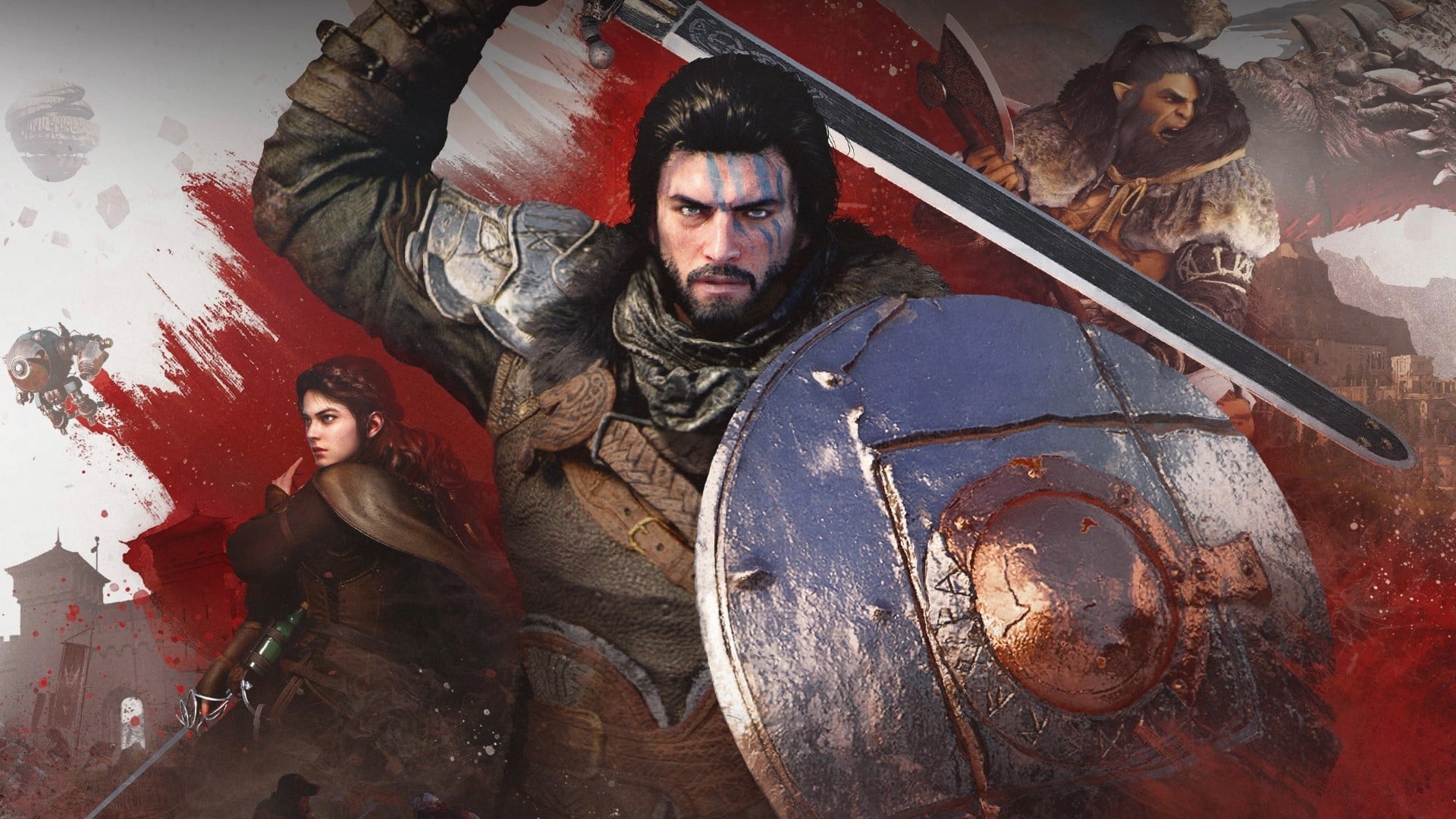
The Console Conundrum: Review Embargoes and Performance Anticipation
One of the most discussed aspects surrounding Crimson Desert‘s launch is the staggered review embargo. Unlike the PC version, which saw critics release their impressions prior to launch, official reviews for the Xbox Series X|S and PlayStation 5 versions are not expected until after the game goes live for the public. This practice, while not entirely unprecedented in the industry, often raises questions among consumers and can create a sense of unease.
Typically, when a publisher holds back review codes for console versions until launch day or even later, it can be interpreted in several ways. In some instances, it might be due to final optimization patches being delivered very close to release, making it difficult for reviewers to assess the true "day one" experience beforehand. Alternatively, it can sometimes signal concerns about performance or specific features on certain platforms, though publishers rarely admit this directly.
For Crimson Desert, the delay in console reviews has intensified player focus on performance, particularly for the Xbox Series X and Series S. Pearl Abyss has previously confirmed that the game will feature three different performance modes on Xbox Series X, indicating a commitment to offering players choices between visual fidelity and frame rate. However, the true test will be how well these modes translate to a smooth and stable experience across the diverse hardware capabilities of both the Series X and the less powerful Series S. Digital Foundry, a reputable source for technical analyses, will undoubtedly be among the first to scrutinize these aspects, and their findings will be crucial in shaping the console narrative for Crimson Desert. The absence of pre-launch console reviews means that early player impressions and technical breakdowns will play an even more significant role in informing potential buyers.
Industry Context: The Open-World Landscape
Crimson Desert enters a highly competitive open-world genre, a space dominated by critically acclaimed titles like The Legend of Zelda: Breath of the Wild (and its sequel Tears of the Kingdom), Red Dead Redemption 2, Elden Ring, and Grand Theft Auto V. Reviewers drawing comparisons to Breath of the Wild and Red Dead Redemption 2 for their sense of freedom and discovery places Crimson Desert in esteemed company. However, it also sets a very high bar for narrative depth, technical polish, and player engagement.
The challenge for any new open-world game is not just to create a large map, but to fill it with meaningful content, compelling narratives, and engaging mechanics that justify the player’s time investment. Crimson Desert‘s reported emphasis on player freedom and sandbox elements aligns with a growing trend away from heavily guided, quest-marker-driven open worlds towards more emergent storytelling and environmental discovery. This design philosophy, while lauded by many, also risks alienating players who prefer a more structured experience or a stronger central narrative. The sheer complexity and number of systems, as highlighted by critics like PC Gamer, suggest that Pearl Abyss is attempting to push the boundaries of what a single-player open-world game can offer, potentially at the cost of immediate accessibility or narrative clarity.
Player Anticipation and Market Impact
The initial PC reviews, while generally positive, present a nuanced picture that will undoubtedly influence player expectations for the console versions. For those who prioritize expansive worlds, deep exploration, and a high degree of player agency, the positive aspects highlighted by Vice and Windows Central will be particularly enticing. However, players who value a tightly crafted narrative, impeccable polish, and streamlined systems might approach the game with more caution, given the critiques from Eurogamer and Shacknews.
The Metacritic score of 78 places Crimson Desert in a position where it is unlikely to be dismissed outright, but it also won’t carry the same immediate "must-buy" prestige as games scoring in the 90s. This middle-ground reception means that word-of-mouth from early console players will be exceptionally critical in shaping its long-term success. The performance on Xbox Series X and Series S, in particular, will be a key determinant for many potential buyers, as graphical fidelity and smooth gameplay are often paramount for console audiences.
The game’s release also comes at a time when the industry is grappling with the increasing cost and complexity of developing triple-A titles, especially open-world epics. Crimson Desert‘s development, spanning several years and involving a significant genre pivot, represents a substantial investment for Pearl Abyss. Its commercial success will not only be a measure of its quality but also a gauge of the market’s appetite for highly ambitious, perhaps even slightly unwieldy, single-player experiences.
Looking Ahead: The Console Unveiling and Post-Launch Support
As the global launch progresses, all eyes will turn to the Xbox and PlayStation communities. Players will begin sharing their impressions, screenshots, and videos, offering the first unfiltered glimpse into how Crimson Desert performs and feels on consoles. This collective player feedback will be instrumental in bridging the gap left by the delayed official console reviews.
Pearl Abyss will likely be monitoring these early player reactions closely, particularly regarding technical performance and any emerging bugs or issues. Given the game’s ambitious scope, post-launch support in the form of patches, performance optimizations, and potentially even content updates, will be crucial for Crimson Desert‘s long-term health and reputation. The developer’s track record with Black Desert Online suggests a commitment to ongoing support, which bodes well for the future of Pywel.
In the coming days, Pure Xbox will endeavor to provide Xbox console footage of Crimson Desert as soon as possible, aiming to address the significant interest surrounding its performance on both the Series X and S. Until then, players worldwide embark on their journey into Pywel, each forming their own conclusions about this grand, yet complex, new entry into the open-world genre.