


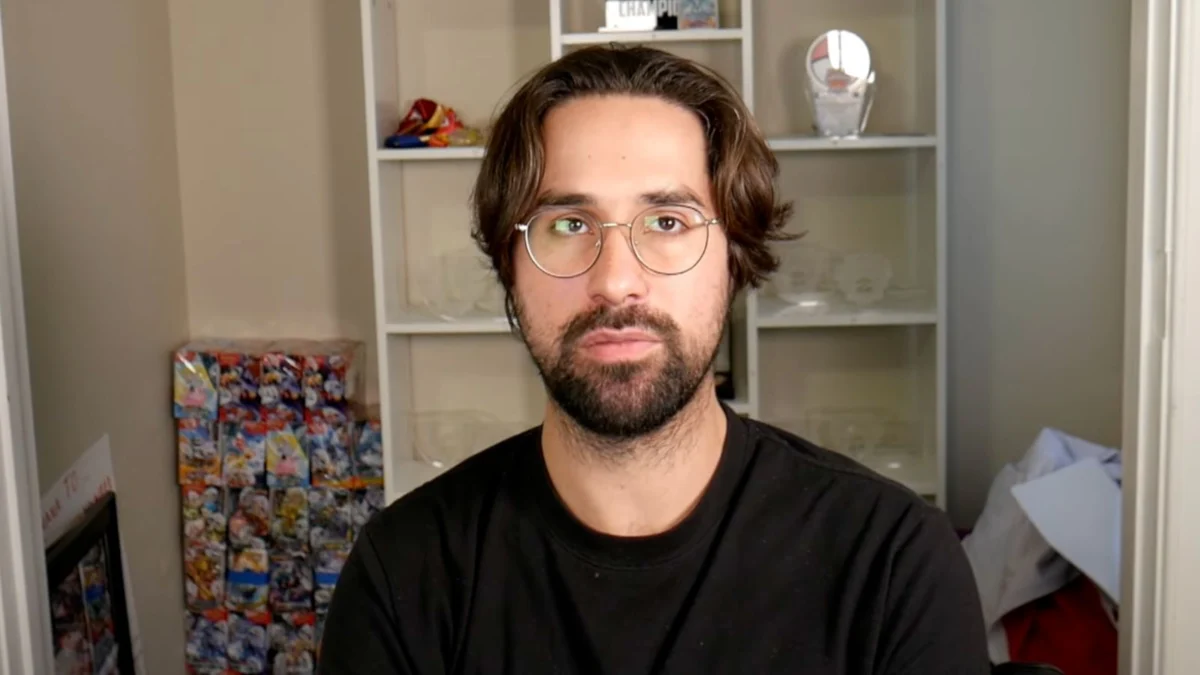
Renowned Pokémon Video Game Championship (VGC) competitor and former World Champion Wolfe "WolfeyVGC" Glick has announced a hiatus from in-person tournaments, citing a deeply troubling pattern of inappropriate physical contact from fans at events. The popular content creator, who boasts over two million subscribers on YouTube, revealed his decision on October 23rd, marking a significant turning point in his distinguished career and raising critical questions about fan behavior at competitive gaming gatherings.
Glick, a celebrated figure in the Pokémon VGC scene since his World Championship victory in 2016, has consistently been a top contender, accumulating numerous accolades. However, the cumulative experience of being subjected to sexual harassment, specifically non-consensual groping by fans during photo opportunities, has led him to reconsider his participation in live events. "Over the past several years, attending tournaments has been getting more and more difficult," Glick stated. "Worlds this year was a turning point, and a peak, and it made it clear to me that something had to change."
His account details a disturbing frequency of such incidents. During the 2025 season, which spans from September 2024 to August 2025, Glick competed in seven official in-person tournaments. In five of these events, he reported being groped by fans who, while posing for pictures, engaged in sexual physical contact without his consent. "Fans, when taking pictures with me, put their hands on me sexually and non-consensually during the act of taking photos," he explained. Glick expressed his bewilderment and distress, noting, "I don’t like that this is happening, and it’s pretty clear to most people that this is not normal behavior. Most people do not grope other people, and I don’t know why it’s happening to me in particular, but the fact remains that it is."
A Pattern of Harassment and Growing Distress
The issue of fan harassment at gaming events, particularly in the esports and competitive gaming spheres, is not new. However, Glick’s candid and detailed account sheds light on the personal toll such experiences can take on even the most established figures. His statement suggests a gradual escalation of discomfort, culminating in the decision to step away. The International Pokémon Players Cup (IPPC) and the North American International Championships (NAIC) are among the premier events where such interactions would likely occur. These tournaments draw thousands of participants and spectators, creating environments where anonymity can sometimes embolden inappropriate behavior.
Glick’s experience underscores a broader concern about the safety and well-being of players and attendees at large-scale gaming conventions and tournaments. While the Pokémon Company and event organizers strive to create a positive and inclusive atmosphere, instances of misconduct highlight the ongoing challenges in enforcing codes of conduct and ensuring a secure environment for all. The league’s official rules and regulations typically include provisions against harassment and unsportsmanlike conduct, but the practical application and enforcement of these rules in crowded public spaces can be complex.
Beyond Harassment: Cumulative Stress and Physical Injury
While the non-consensual touching is a primary driver for Glick’s decision, it is not the sole factor. He also cited a pre-existing neck injury and an overall increase in stress and anxiety associated with attending these events as contributing elements. This combination of factors has rendered his tournament experiences "less fun" and has significantly impacted his mental and physical well-being.
"In general, I consider myself to be a low stress and low anxiety person; in fact, the only place where I feel any stress and anxiety is at a Pokemon tournament," Glick elaborated. He described the debilitating nature of this tournament-induced stress, stating, "Because that stress and anxiety when competing can be so intense, it makes all other stress, anxiety, and pressure feel like nothingburgers in comparison." The aftermath of attending a tournament has become a significant burden, requiring a substantial recovery period. "After getting home from a tournament, it takes me about a week before I go back to feeling normal. It takes me about a week before I can go outside my house without having my heart rate spike and without feeling pretty intense anxiety."
This prolonged period of recovery suggests that the psychological impact of competitive Pokémon events extends far beyond the duration of the tournament itself. The constant pressure of high-stakes competition, coupled with the added distress from unwanted physical contact and general event anxieties, creates a toxic environment that is detrimental to his health. The neck injury, likely exacerbated by stress and the physical demands of travel and long hours of play, further complicates his ability to participate.

A Strategic Break for Long-Term Well-being
Glick has outlined a clear plan for his hiatus, which will encompass the next four months. This period will see him forgo participation in several key upcoming events, including international championships, US regional championships, and the Toronto regionals. This strategic break is intended to prioritize his recovery and allow him to reassess his involvement in live competition.
"This is a time where I would rather take a break now, while I still have a choice, than be forced to take a break later," he stated, emphasizing a proactive approach to managing his well-being. This sentiment highlights a growing awareness within the competitive gaming community about the importance of mental health and the need for athletes to advocate for their own needs.
Future Participation and Community Reactions
Despite the severe negative experiences, Glick has not entirely retired from competitive Pokémon. He indicated that if he were to qualify for the next World Championships, he would likely still abstain from attending due to the cumulative negative experiences of the past season. This underscores the severity of the issues he has faced and his commitment to his personal safety and mental health.
His decision has resonated within the Pokémon VGC community, drawing expressions of support and solidarity from fellow players, fans, and content creators. Many have acknowledged the courage it took for Glick to speak out about such sensitive issues, and the incident has reignited conversations about the responsibilities of both event organizers and attendees in fostering a respectful and safe environment.
While official statements from The Pokémon Company regarding Glick’s specific situation have not yet been released, such incidents often prompt internal reviews of safety protocols and codes of conduct. It is plausible that the organization will reiterate its commitment to player safety and potentially implement enhanced measures to prevent harassment at future events. This could include increased security presence, more visible reporting mechanisms for misconduct, and stricter enforcement of policies against inappropriate behavior.
Broader Implications for Competitive Gaming
Wolfe Glick’s announcement carries broader implications for the entire competitive gaming landscape. As esports and large-scale gaming tournaments continue to grow in popularity, so too does the scrutiny on the environments they provide. The experiences of high-profile figures like Glick serve as a stark reminder that success and recognition can also bring unwanted attention and potential risks.
The data surrounding online harassment and its real-world manifestations in gaming communities is a growing concern. Studies by organizations like the Anti-Defamation League (ADL) have consistently shown high rates of online harassment among gamers, and Glick’s experience suggests that this toxicity can spill over into in-person interactions. The distinction between a fan and an aggressor can blur, and the responsibility to maintain respectful boundaries lies with every individual attending these events.
Glick’s decision to step back is a courageous act that shines a spotlight on a problem that many may prefer to ignore. His willingness to share his personal experiences, despite the discomfort it may cause, is a crucial step towards fostering a more accountable and respectful culture within the Pokémon VGC community and beyond. As the competitive gaming world continues to evolve, ensuring the safety, comfort, and well-being of its participants must remain a paramount concern for organizers, players, and fans alike. The long-term impact of Glick’s statement may well be a catalyst for positive change, encouraging a more vigilant and empathetic approach to fan interactions at all levels of competitive gaming.