


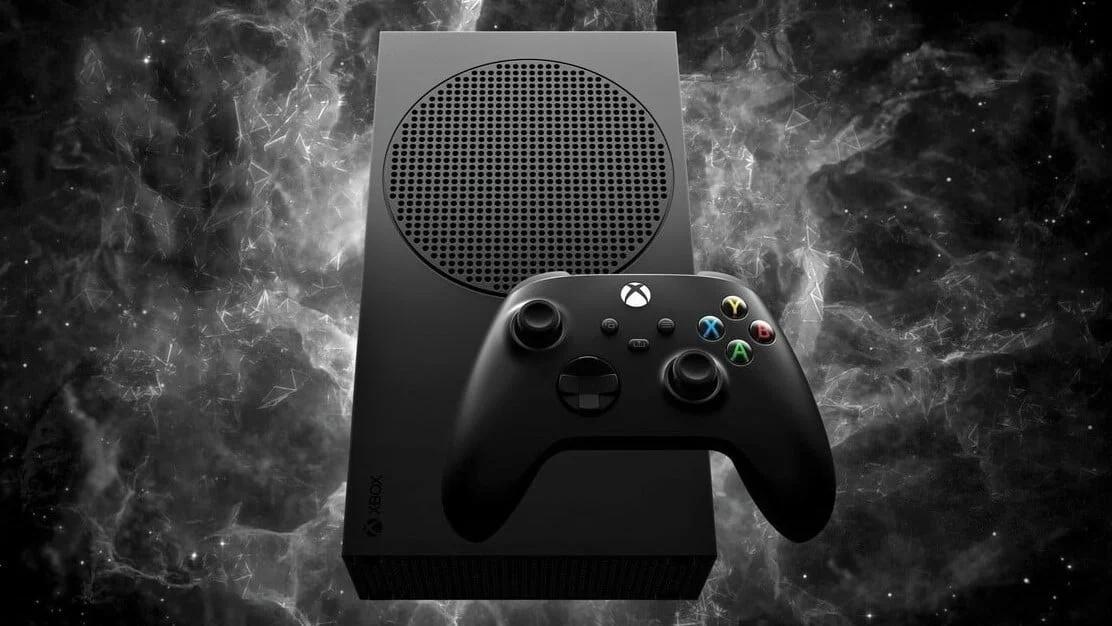
Microsoft’s gaming division is currently navigating a pivotal transition period as internal reports and industry leaks provide the first substantive glimpses into the successor to the Xbox Series X and Series S. Known internally by the codename "Project Helix," this next-generation hardware represents more than just a traditional iterative update; it is positioned as a foundational shift in how the company defines a gaming console. As the hardware specifications and strategic goals for the machine begin to crystallize, a significant question remains at the forefront of industry discourse: what will Microsoft ultimately name the device? Historically, Microsoft has eschewed the linear numerical naming conventions adopted by its primary competitor, Sony, leading to a branding lineage that is as eclectic as it is unpredictable. With Project Helix expected to reach developers in 2027, the branding decision will likely serve as a manifesto for Microsoft’s broader "Xbox Everywhere" strategy.
The Historical Context of Xbox Branding
To understand the complexity of naming the next Xbox, one must examine the non-linear history of the brand’s nomenclature. When the original Xbox launched in 2001, it was named after the "DirectX Box," a reference to Microsoft’s proprietary graphics API. This established a brand identity rooted in technical prowess. However, the successor posed a marketing challenge. Launching an "Xbox 2" against a "PlayStation 3" was perceived by Microsoft executives as a potential disadvantage, suggesting the hardware was a generation behind. Consequently, the company settled on "Xbox 360," a name intended to signify that the player was at the center of the experience.
The subsequent generation saw a pivot toward the "all-in-one" entertainment vision under Don Mattrick, resulting in the "Xbox One." The name was intended to represent the "one" device needed for the living room—handling games, live television, and streaming services. However, the name was widely criticized for being counter-intuitive, as it was actually the third major console release. By the time the current generation arrived in 2020, Microsoft moved toward a tiered model with the "Xbox Series X" and "Xbox Series S." While this aligned the consoles with Microsoft’s Surface product line, it created consumer confusion regarding compatibility and hardware distinctions. As Project Helix approaches, the company faces the task of either doubling down on the "Series" branding or pivoting to a name that reflects the hardware’s rumored hybrid capabilities.
The Evolution of Project Helix: A Chronology of Development
The development of Project Helix follows a series of strategic shifts within Microsoft’s gaming leadership. In early 2024, Xbox President Sarah Bond publicly stated that the company’s next-generation hardware would represent the "largest technical leap ever seen in a hardware generation." This statement set a high bar for performance expectations, moving the conversation beyond mere resolution increases toward fundamental architectural changes.
By late 2025, internal priorities shifted. Initial plans for a dedicated first-party handheld device were reportedly placed on the backburner. This decision was driven by the rapid maturation of the PC handheld market—led by devices like the Steam Deck and ROG Ally—and Microsoft’s desire to focus on a high-end "flagship" console that could better integrate with the Windows ecosystem. In March 2026, details emerged suggesting that Project Helix would bridge the gap between console and PC more aggressively than any previous iteration. Reports indicate the console may run a specialized version of the Windows kernel, allowing it to natively play PC games alongside traditional Xbox titles. This technical integration is a cornerstone of the Helix philosophy, suggesting a convergence of platforms that will likely dictate its final market name.
Technical Specifications and the Push for AI Integration
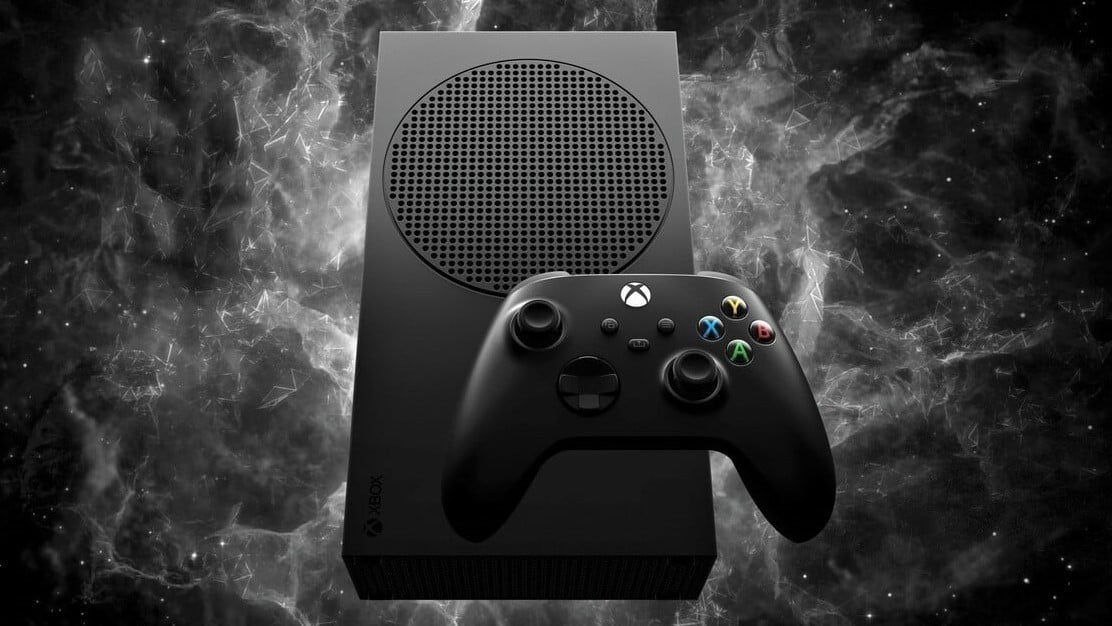
Data points regarding Project Helix suggest a machine designed for the era of artificial intelligence. While traditional metrics like Teraflops remain relevant, Microsoft is reportedly focusing on the integration of a dedicated Neural Processing Unit (NPU). This hardware would handle machine learning tasks, such as sophisticated AI upscaling (potentially an evolution of Microsoft’s DirectSR) and generative AI for in-game NPCs.
The rumored hardware configuration includes:
- Architecture: A custom Zen 6 CPU and RDNA 5 GPU (or equivalent specialized silicon).
- Storage: Next-generation NVMe speeds designed to eliminate loading screens entirely through DirectStorage 2.0.
- Connectivity: Full integration with Wi-Fi 7 and a modular approach to physical media, potentially moving toward a completely digital-first ecosystem with an optional external disc drive.
- Ecosystem: Native compatibility with Steam, Epic Games Store, and Battle.net, effectively making the console a "certified" living-room PC.
These specifications suggest that a name like "Xbox Series X2" might be too reductive. If the machine is essentially a high-end gaming PC in a console form factor, the branding must communicate versatility and power.
Analyzing Potential Naming Conventions
Market analysts have proposed several directions Microsoft might take for the Project Helix retail name. Each carries different implications for the brand’s market positioning.
The Ecosystem Alignment: Xbox Ultimate and Xbox Premium
One theory suggests Microsoft may align its hardware names with its subscription tiers. With "Xbox Game Pass Ultimate" serving as the flagship service, naming the high-end console the "Xbox Ultimate" provides immediate brand synergy. A lower-tier successor to the Series S could then be dubbed the "Xbox Premium" or "Xbox Core." This approach simplifies the ecosystem, telling consumers exactly which hardware is designed to deliver the "Ultimate" experience of the service they are already paying for.
The Convergence Model: Xbox System or Xbox Nexus
Given the rumors of PC integration, Microsoft may opt for a name that moves away from the "console" descriptor. "Xbox System" or "Xbox Nexus" would imply a central hub for all gaming activities, whether they originate from the cloud, a PC storefront, or a dedicated console build. "Nexus" in particular suggests a point of connection, fitting for a device that bridges the gap between different gaming environments.

The Legacy Continuation: Xbox Series Next
There is also the possibility that Microsoft will stick with the "Series" nomenclature to maintain continuity. "Xbox Series Helix" or "Xbox Series 2" would be the most conservative choices. However, industry experts suggest this might fail to generate the "generational leap" excitement required to compete with Sony’s presumed PlayStation 6.
Official Responses and Industry Sentiment
While Microsoft has remained tight-lipped about the specific name, executive communications have emphasized the concept of "choice." In recent town hall meetings, Phil Spencer, CEO of Microsoft Gaming, reiterated that the future of Xbox is not tied to a single box, but to the ability of players to access their library on any device. This "This is an Xbox" marketing campaign, launched in late 2024, suggests that the physical console is becoming a "reference device" for the broader platform.
Industry reactions to this strategy are mixed. Third-party developers have expressed enthusiasm for the 2027 dev kit timeline, noting that the extra lead time allows for better optimization of AI-driven features. However, retail analysts warn that Microsoft must avoid the confusion of the "Xbox One" era. "The name needs to be a clean break," says one senior analyst at Circana. "If they want to convince users that this is the most powerful leap in history, they cannot afford a name that sounds like a mid-gen refresh."
Broader Impact and Market Implications
The naming and release of Project Helix will occur in a radically different market than the 2020 launch of the Series X/S. The industry is currently seeing a decline in traditional console hardware sales as PC gaming and mobile platforms continue to expand. By positioning the next Xbox as a hybrid device that incorporates PC functionality, Microsoft is attempting to exit the "console war" in its traditional sense and create a new category of "Pro-Consumer Hardware."
If Project Helix succeeds in offering a seamless Windows-based gaming experience in a plug-and-play box, it could disrupt the pre-built gaming PC market and force competitors to reconsider their closed-garden ecosystems. The name will be the first point of contact for this disruption. Whether it is called "Xbox Ultimate," "Xbox Infinity," or something entirely unexpected, the branding must encapsulate the ambition of a company that no longer views itself as just a console manufacturer, but as a ubiquitous gaming platform.
As the 2027 developer window approaches, the industry awaits the final unveiling. For Microsoft, Project Helix is more than just a new product; it is a final attempt to unify the fragmented worlds of PC and console gaming under a single, cohesive brand identity. The name they choose will ultimately signal whether they are looking back at their legacy or forging a new path for the next decade of interactive entertainment.