


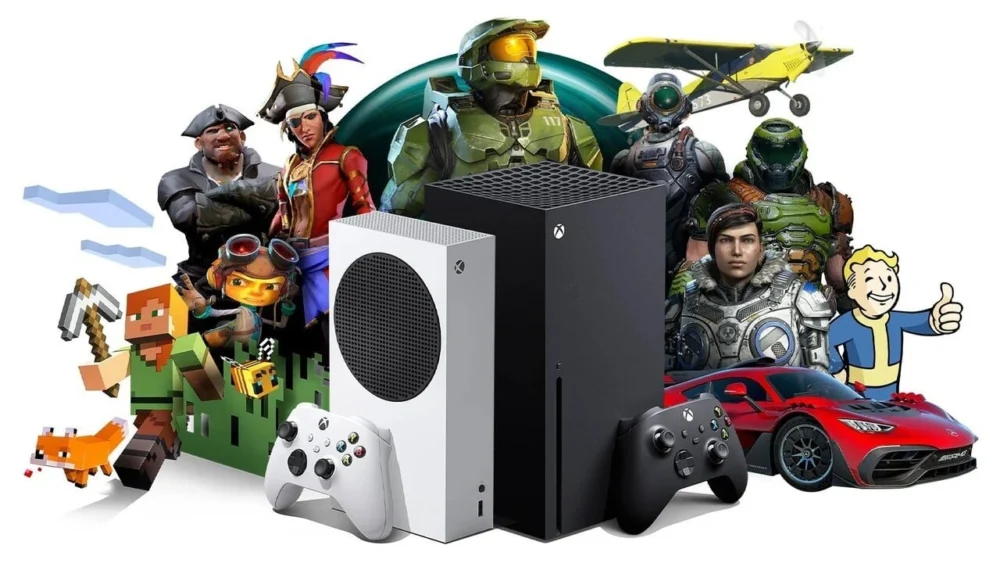
Microsoft Chief Executive Officer Satya Nadella has signaled a significant shift in the strategic direction of the Xbox gaming division, emphasizing a commitment to meeting long-term fan expectations as the brand moves toward its 30th anniversary in 2031. During a recent internal summit and subsequent public commentary, Nadella addressed the evolving landscape of the interactive entertainment industry, highlighting the necessity for Microsoft to align its hardware and software roadmaps with the specific desires of its core audience. The CEO’s remarks come at a pivotal moment for the company, following a leadership transition that saw Asha Sharma take the helm of the gaming division, succeeding long-time executive Phil Spencer. Nadella’s vision focuses on three primary pillars: the continued evolution of the console experience, the expansion of the PC gaming ecosystem, and the revitalization of cornerstone intellectual properties such as Halo and Forza.
A New Era of Leadership and Strategic Realignment
The transition of leadership to Asha Sharma marks a departure from the "community-first" marketing era of the previous decade toward a more pragmatic, multi-platform, and ecosystem-centric approach. Sharma, who took over the role in early 2026, has inherited a division that is currently navigating the complexities of post-acquisition integration following the massive $68.7 billion purchase of Activision Blizzard King. Under Sharma’s tenure, Microsoft has adopted an "everything on the table" philosophy, which involves re-evaluating traditional exclusivity models in favor of broader software availability across competing platforms.
Nadella’s recent statements serve as a reinforcement of this new direction, providing a high-level mandate for the division to "live up to what they expect of us." This directive suggests that while the company is exploring new revenue streams through multi-platform releases, it remains acutely aware of the "brand tax" paid by loyalists who have invested in the Xbox hardware ecosystem. The challenge for the Sharma administration will be balancing the financial requirements of a trillion-dollar parent company with the cultural expectations of a gaming community that prizes hardware innovation and high-quality first-party exclusives.
The Hardware Roadmap: Project Helix and Beyond
Central to Microsoft’s long-term strategy is the development of next-generation hardware, currently referred to under the internal codename "Project Helix." While the Xbox Series X and Series S brought the brand into the current generation with a focus on high-fidelity performance and accessibility, Project Helix is rumored to be the most significant leap in Xbox hardware history. According to internal documents and industry reports, Microsoft plans to provide development kits for this new system to third-party partners by early 2027, setting the stage for a potential launch in late 2028 or 2029.
Project Helix is expected to integrate advanced artificial intelligence at the silicon level, utilizing Microsoft’s extensive research in Neural Processing Units (NPUs) to enhance resolution, frame rates, and NPC behavior through machine learning. This hardware focus is a direct response to fan expectations for "the most powerful console," a mantle Microsoft has fought to reclaim since the launch of the original Xbox in 2001. Furthermore, the 2031 horizon suggests that by the time the brand celebrates its 30th anniversary, the Xbox ecosystem will likely consist of a hybrid model: a flagship high-end console, a mobile-centric handheld device, and a robust cloud-gaming infrastructure that requires no dedicated hardware at all.
Software Pipeline: Revitalizing Legacy and Launching New Icons
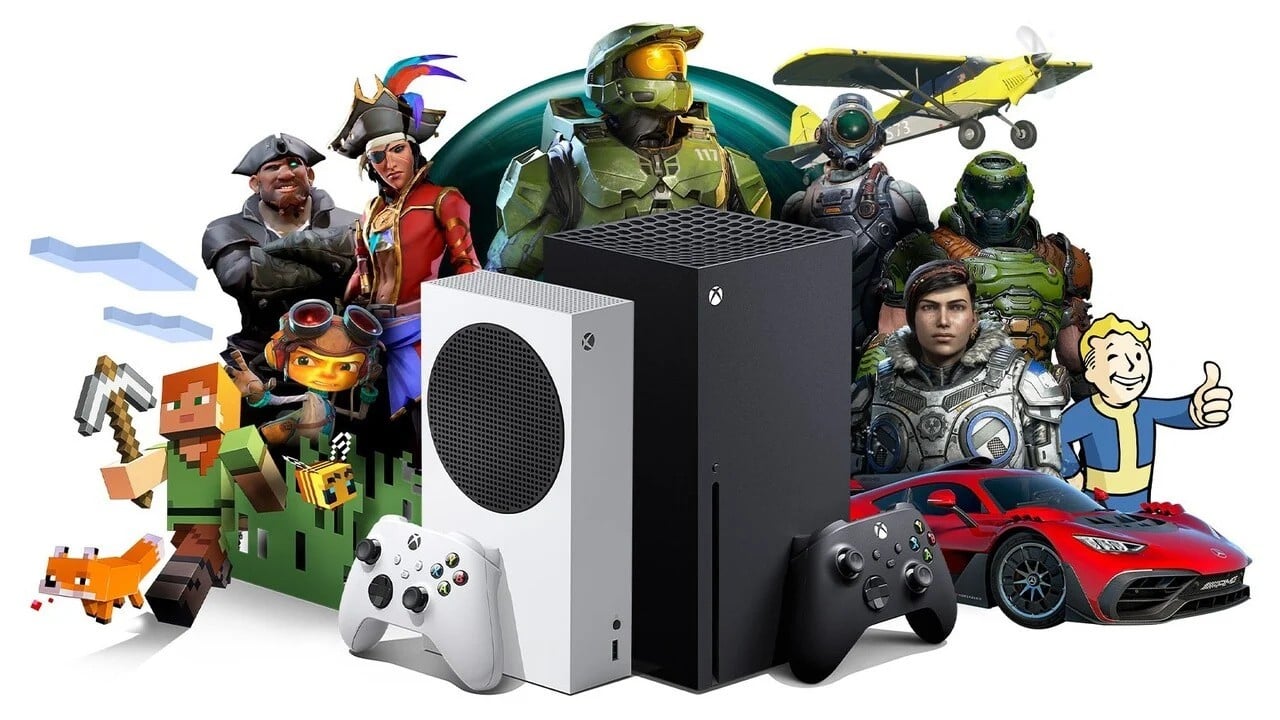
The next five years are poised to be the most prolific in Xbox’s history regarding first-party software output. Following the integration of Bethesda Softworks and Activision Blizzard, the Microsoft Gaming portfolio now includes dozens of internal studios. The release calendar for 2026 is already anchored by two major pillars: the reimagining of the Fable franchise by Playground Games and the return to the series’ roots with Gears of War: E-Day.
However, Nadella specifically called out Halo and Forza as the benchmarks for fan satisfaction. Industry analysts suggest that Halo, in particular, is undergoing a foundational reset. After the mixed reception to the long-term live-service model of Halo Infinite, 343 Industries—reportedly rebranded or restructured—is moving the franchise to the Unreal Engine 5 to streamline development and meet the visual expectations of the next decade. For Forza, the strategy involves maintaining the dual-track success of the Motorsport and Horizon sub-brands while potentially expanding into the "sim-racing" lifestyle space to compete with established PC platforms.
Anticipated Major Releases Through 2031:
- 2026: Fable (Reboot), Gears of War: E-Day, State of Decay 3.
- 2027: The Elder Scrolls VI (Projected), New IP from Compulsion Games.
- 2028: Next-generation Halo title, Forza Horizon 6.
- 2029-2030: Fallout 5 (Early Production), New IP from Blizzard Entertainment.
Economic Context and Market Position
Microsoft’s commitment to "always invest in gaming" is backed by substantial financial data. In the most recent fiscal quarters, the gaming division has surged to become one of Microsoft’s largest revenue contributors, often surpassing Windows OEM revenue. This growth is driven largely by Xbox Game Pass, which remains the cornerstone of the company’s "software-plus-services" model.
As of early 2026, industry estimates place Xbox Game Pass subscribers in the range of 35 to 40 million. To reach the 100-million subscriber goal often discussed by analysts for the 2031 milestone, Microsoft must expand beyond the traditional console market. This explains the strategic emphasis on PC gaming and mobile integration. By focusing on the "lover of PC" mentioned by Nadella, Microsoft is positioning the Xbox app on Windows as a central hub for gaming, aiming to achieve parity with the Steam ecosystem in terms of features and social integration.
Chronology of the Xbox Evolution (2001–2031)
To understand the weight of Nadella’s 30th-anniversary vision, one must look at the three-decade trajectory of the brand:
- The Foundation (2001–2005): Launch of the original Xbox and Xbox Live. Establishment of Halo as a cultural phenomenon.
- The Golden Era (2005–2013): Xbox 360 dominates the Western market. Introduction of achievements, digital storefronts, and Gears of War.
- The Pivot (2013–2020): A difficult launch for Xbox One leads to the appointment of Phil Spencer and the birth of Xbox Game Pass.
- The Acquisition Phase (2020–2025): Launch of Series X/S. Acquisition of ZeniMax Media and Activision Blizzard.
- The Ecosystem Era (2026–2031): Leadership under Asha Sharma. Launch of Project Helix. Integration of AI in gaming. Multi-platform expansion.
Official Responses and Industry Reaction
The reaction to Nadella’s comments within the industry has been one of cautious optimism. Competitors like Sony and Nintendo have notably adjusted their own strategies in response to Microsoft’s aggressive acquisition spree. While Sony has doubled down on high-budget cinematic exclusives, the "everything on the table" approach from Xbox suggests a future where the hardware choice matters less than the account ecosystem.

Asha Sharma, in her first official address as Xbox CEO, noted, "Our goal is to be where the players are. If that means your favorite Xbox game is playable on the device you already own, we have succeeded. But for those who want the premium, high-fidelity, dedicated experience, our commitment to Xbox hardware remains unshakable."
Market analysts from firms such as Wedbush Securities and Niko Partners suggest that Microsoft is playing a "long game" that prioritizes Monthly Active Users (MAUs) over hardware units sold. This shift in Key Performance Indicators (KPIs) is a direct result of the maturity of the console market, which has seen stagnant growth in total unit sales across the industry over the last two generations.
Analysis of Implications for the 2031 Milestone
As Microsoft approaches 2031, the definition of an "Xbox fan" will have fundamentally changed. The brand is transitioning from a hardware-defined box under a television to a pervasive software identity. Nadella’s insistence on "living up to expectations" implies that Microsoft cannot afford to abandon its hardware enthusiasts, even as it chases the billions of players on mobile and PC.
The nightmare scenario mentioned by industry observers—where Xbox hardware becomes redundant—is being mitigated by the development of Project Helix. By ensuring that the next console offers features that cannot be replicated on a standard PC or a cloud stream (such as ultra-low latency and proprietary AI-driven enhancement), Microsoft is attempting to maintain its "prosumer" base.
Ultimately, the next five years will determine if Microsoft can successfully navigate the "innovator’s dilemma." By disrupting its own business model through Game Pass and multi-platform releases, it seeks to avoid the stagnation that has historically plagued market leaders. If the 30th anniversary in 2031 sees a healthy mix of cutting-edge hardware, a massive library of cross-platform titles, and a rejuvenated Halo franchise, Satya Nadella’s vision of a brand that fans "love for what they expect" will have been realized.