


The enduring legacy of gaming titles, particularly those from venerated franchises, often hinges on their continued accessibility across evolving hardware generations. A recent re-examination of 2011’s Call of Duty: Modern Warfare 3 on modern Xbox consoles has brought to light the unexpected utility and sustained appeal of its often-overlooked ‘Survival’ mode, a Player-versus-Environment (PvE) experience made fully playable offline through the Xbox backwards compatibility program. This discovery underscores the critical role of console manufacturers in game preservation and the lasting value it provides to players, especially as the online components of older titles inevitably decline.
The Rediscovery of a Decade-Old Gem
For many enthusiasts of the Call of Duty series, revisiting classic entries on contemporary platforms is a common practice, typically driven by nostalgia for specific multiplayer maps, iconic campaigns, or signature modes like Black Ops‘s Zombies. However, the online landscape for games from the Xbox 360 era, such as Modern Warfare 3, has significantly shifted. As of 2026, the multiplayer servers for these titles are frequently described as either sparsely populated or, in some unfortunate instances, compromised by unauthorized modifications and hacking activities. This deterioration of the online experience often prompts players to explore alternative facets of these games.
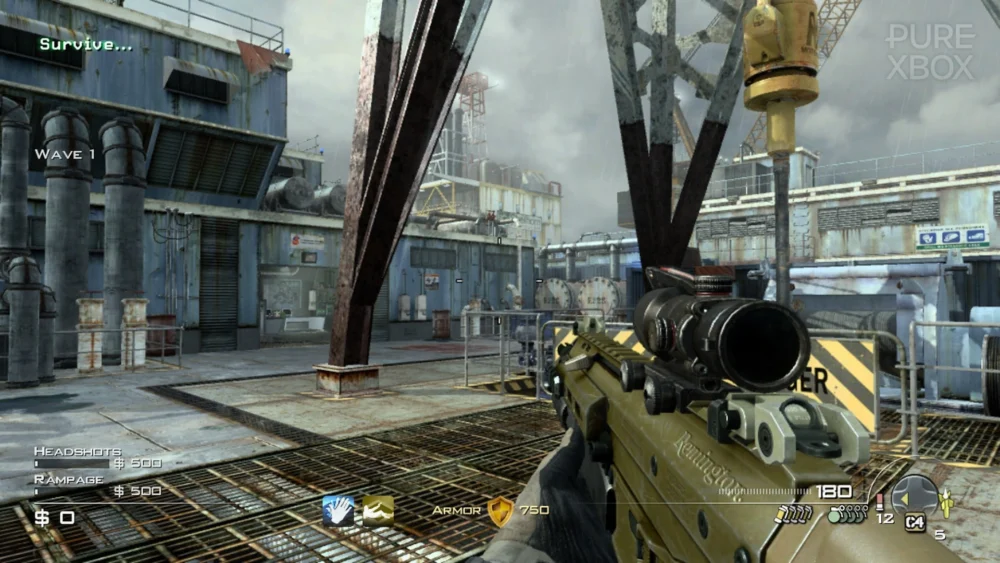
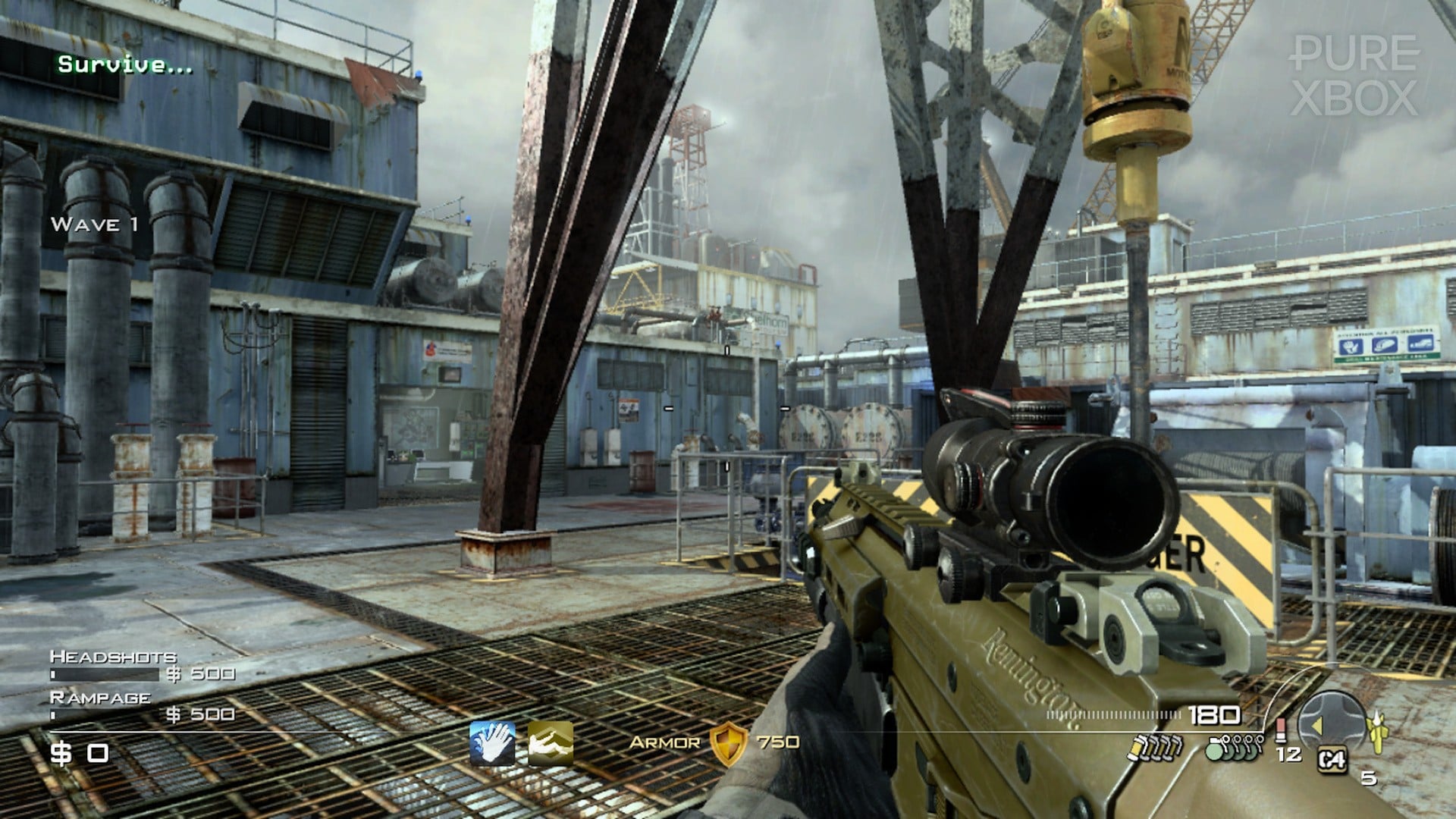
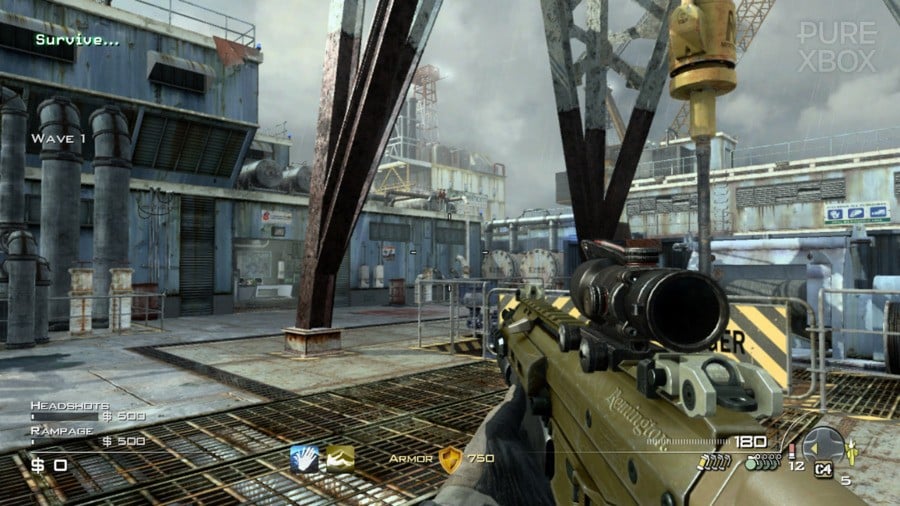
It was within this context that the ‘Survival’ mode of Modern Warfare 3 resurfaced as a viable and engaging option. Tucked away within the ‘Spec Ops’ section of the game, Survival is a wave-based horde mode that pits players against increasingly difficult waves of AI enemies across various multiplayer maps. Its re-emergence as a compelling gameplay loop is particularly noteworthy given its complete offline functionality, offering a robust single-player or local co-operative experience that remains untouched by the vagaries of online server health. This aspect has proven invaluable for players seeking to revisit the game’s classic environments, weapon sets, and killstreaks without the frustrations associated with defunct or compromised online services.
Modern Warfare 3: A Historical Context
Released in November 2011, Call of Duty: Modern Warfare 3 was the culmination of the original Modern Warfare trilogy, developed by Infinity Ward and Sledgehammer Games. Following the immense commercial and critical success of its predecessors, particularly 2007’s Modern Warfare and 2009’s Modern Warfare 2, the third installment was met with high expectations. It delivered a cinematic single-player campaign that concluded the ongoing narrative, alongside a robust multiplayer suite that introduced new modes, killstreaks, and progression systems.
Beyond the traditional campaign and competitive multiplayer, Modern Warfare 3 continued the ‘Spec Ops’ tradition established in Modern Warfare 2. While the previous iteration focused on distinct, mission-based challenges, Modern Warfare 3 expanded Spec Ops to include ‘Survival’ mode. This mode, conceptually similar to horde modes seen in other popular franchises like Gears of War, challenged players to endure endless waves of enemy combatants, utilizing an in-game economy to purchase weapons, equipment, killstreaks, and air support. At the time of its release, Survival mode was lauded for adding significant replayability and a distinct PvE challenge, albeit often overshadowed by the dominant popularity of the multiplayer and campaign experiences. Its inclusion demonstrated a conscious effort by the developers to diversify gameplay offerings beyond the competitive sphere, providing a different avenue for players to engage with the game’s mechanics and world.
The Power of Xbox Backwards Compatibility
The ability to play Modern Warfare 3 and its Survival mode on contemporary Xbox consoles—including the Xbox One, Xbox Series X, and Xbox Series S—is a direct testament to Microsoft’s unwavering commitment to its backwards compatibility program. Initiated in 2015 for the Xbox One, and later expanded for the current generation, this initiative was designed to allow players to access a vast library of Xbox 360 and original Xbox titles on newer hardware.
The program’s implementation involved significant engineering challenges, including software emulation, licensing agreements, and quality assurance testing to ensure older titles performed optimally on modern systems. Microsoft’s dedication to this endeavor has been widely praised by consumers and industry analysts alike, as it not only preserves gaming history but also provides tangible value to players who have invested in digital and physical game libraries over the years. For titles like Modern Warfare 3, which predate many modern digital storefront features, backwards compatibility often means that disc-based copies can still be utilized, and previously purchased digital licenses automatically carry over. This seamless integration ensures that a player’s decade-plus Xbox purchases are not rendered obsolete with each new console generation. The program effectively extends the lifespan of games, offering new generations of players the opportunity to experience classics, while allowing veteran gamers to revisit beloved titles without the need to maintain older hardware.

Deep Dive into Survival Mode Mechanics
Modern Warfare 3‘s Survival mode offers a unique blend of Call of Duty‘s signature gunplay and tactical resource management. Players start with a basic pistol and limited funds, facing increasingly difficult waves of enemies. These enemies range from standard infantry to heavily armored Juggernauts, attack dogs, and even attack helicopters, requiring players to adapt their strategies and loadouts.
The core loop involves:
- Eliminating Waves: Each wave presents a specific number and type of enemies.
- Earning Cash and XP: Successful eliminations and wave completions reward players with in-game currency and experience points.
- Purchasing Upgrades: Between waves, players can visit designated armory stations to buy new weapons, attachments, ammunition, grenades, and vital killstreaks such as Sentry Guns, Predator Missiles, and airstrikes. These purchases are crucial for surviving later, more challenging waves.
- Map Knowledge: Success heavily relies on understanding each map’s layout, identifying choke points, defensible positions, and optimal locations for deploying tactical equipment.
While Survival mode shares the wave-based structure of the much-celebrated Call of Duty: Zombies, it presents a distinct flavor. Zombies mode is characterized by its intricate lore, complex Easter eggs, unique perk systems, and supernatural themes. Survival, by contrast, grounds its experience in the realistic military combat aesthetic of Modern Warfare, focusing on tactical gunplay and strategic equipment deployment against human and vehicle threats. It prioritizes direct combat and resource management in a more straightforward manner, making it an accessible yet challenging alternative to its undead counterpart. Furthermore, the inclusion of two-player local co-operative play significantly enhances the mode’s appeal, allowing friends to team up on a single console, a feature increasingly rare in modern gaming.
The Enduring Value of Digital Purchases and DLC
A particularly compelling aspect of this rediscovery is the seamless integration of previously purchased Downloadable Content (DLC) with the backwards compatibility framework. Players who acquired map packs or other expansions for Modern Warfare 3 back in 2012, and subsequently forgot about them, find these purchases automatically available and functional within Survival mode on modern consoles. This means that maps initially unlocked through progression in the base game’s Survival mode are complemented by immediate access to any DLC maps owned, instantly expanding the available arenas for engagement.
This retention of value for digital purchases is a cornerstone of effective game preservation and consumer-friendly platform design. It demonstrates that investments made in a gaming ecosystem can continue to pay dividends years, or even a decade, later. In an era where digital storefronts and game licenses can sometimes be ephemeral, Microsoft’s approach with backwards compatibility reinforces consumer confidence and fosters a stronger relationship between players and their digital libraries. The ability to revisit and enjoy content acquired many years prior, without additional cost or complicated procedures, stands as a significant benefit for the gaming community.
Broader Implications: Offline Play and Game Longevity
The resurgence of interest in Modern Warfare 3‘s Survival mode highlights several broader implications for the gaming industry and player experience:
- Importance of Offline Content: As online services for older games inevitably decline or become compromised, robust offline modes become crucial for a game’s longevity. Titles with substantial single-player campaigns, local multiplayer, or PvE modes like Survival retain their playability long after their online communities dissipate. This emphasizes the importance for developers to include diverse gameplay options that do not solely rely on persistent online connections.
- Game Preservation: Xbox’s backwards compatibility program serves as a model for game preservation. By ensuring older titles remain playable on new hardware, it prevents valuable pieces of gaming history from being lost to technological obsolescence. This commitment benefits not only nostalgic players but also future generations of gamers and researchers interested in the evolution of the medium.
- Consumer Value: The ability to leverage existing game libraries across console generations maximizes consumer value. Players are not forced to re-purchase games they already own, nor are their past digital investments rendered worthless. This approach encourages loyalty and sustained engagement with a platform.
- Community Engagement: While the primary focus of Survival mode is offline play, its rediscovery often sparks discussions within gaming communities. Players share tips, experiences, and express appreciation for the mode, fostering a renewed sense of connection around a classic title.
In conclusion, the rediscovery of Call of Duty: Modern Warfare 3‘s ‘Survival’ mode, made possible by the robust Xbox backwards compatibility program, offers a compelling narrative on the enduring appeal of well-designed gameplay and the critical importance of game preservation. While not the most celebrated mode in the Call of Duty pantheon, Survival provides a valuable, fully offline, and locally co-operative experience that stands as a testament to the foresight of its developers and the commitment of platform holders to extend the life of gaming’s rich history. In a landscape where online experiences can be fleeting, the ability to dive back into a decade-old game and find a fully functional, engaging offline mode is a significant win for players and a powerful endorsement of initiatives that respect and preserve the legacy of video games.