


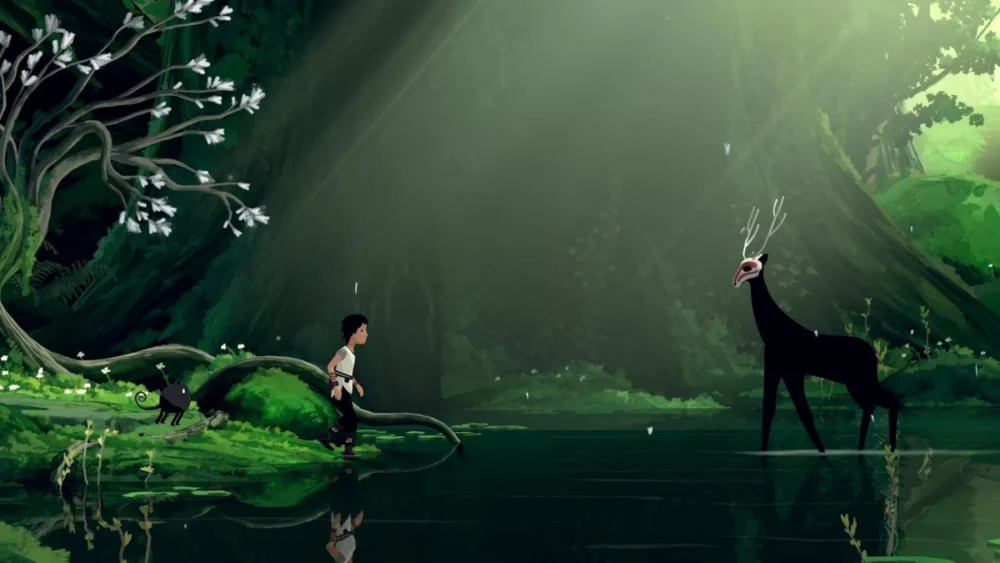
The critically acclaimed puzzle-platformer, Planet of Lana, renowned for its breathtaking art style and emotionally resonant narrative, is slated for a highly anticipated sequel. Planet of Lana 2: Children of the Leaf is scheduled for release in the first quarter of 2026, promising to expand upon the foundations of its predecessor with a more intricate story, sophisticated gameplay mechanics, and an even richer world. Early impressions from a segmented demo, which offers a glimpse into approximately five chapters of the game, suggest a significant evolution in both narrative scope and interactive elements.
The initial installment, released in 2023, captivated players with its unique blend of environmental storytelling, challenging puzzles, and the heartwarming bond between Lana and her companion, Mui. While the first game focused on a direct confrontation with a formidable technological threat, Planet of Lana 2: Children of the Leaf appears to delve into more complex themes of tribal dynamics, corruption, and the ethical implications of advanced technology. This shift in narrative focus hints at a story that moves beyond a simple fight for survival, exploring the intricacies of civilization and the potential misuse of power. The demo, which provides a curated experience of the game’s early stages, has already showcased the introduction of new platforming and stealth mechanics, alongside thoughtfully designed puzzles that promise a satisfying challenge for both returning fans and newcomers. The developers aim to deliver an experience that is both relaxing and intellectually stimulating, a hallmark of the original title.
The Evolving Threat: From Invasion to Internal Conflict
Planet of Lana 2: Children of the Leaf marks a significant departure from the singular, external threat that defined the first game. The narrative appears to have shifted from an outright invasion by a mechanical enemy to a more nuanced exploration of power struggles and corruption within the various Novo tribes. While the demo provides limited explicit details regarding the overarching plot, it effectively piques interest in the evolving capabilities of Mui and the advanced technological integration seen in some of the Novo communities. These societies, as depicted in the demo, are demonstrably more technologically sophisticated than Lana’s home community in the original game, suggesting a world in a state of rapid development.
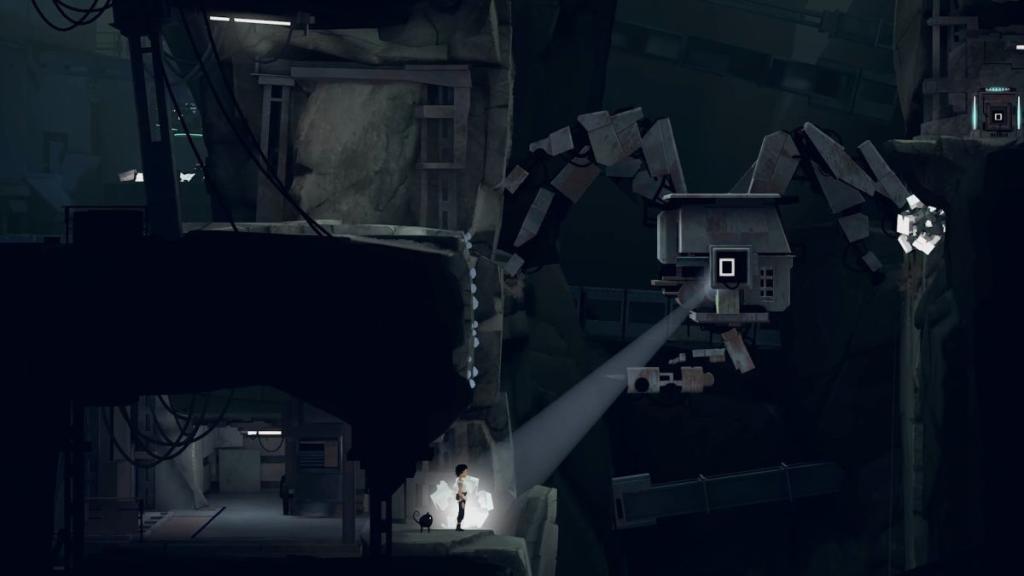
Evidence of this advancement is prevalent in the environmental design. Surveillance cameras actively scan for movement, and robots are depicted engaged in industrial activities such as mining and fishing. This indicates a civilization that is not only growing but also actively utilizing technology for its progress. This progression in the game’s world directly influences the gameplay, introducing not only new environmental challenges but also a heightened sense of threat from both the environment and its inhabitants, underscoring the necessity of updated stealth mechanics to navigate this evolving landscape. The narrative’s pivot towards internal conflict and the potential for advanced technology to fall into the wrong hands introduces a compelling layer of complexity, raising questions about societal progress and its inherent risks.
A Collaborative Journey: Lana and Mui’s Strengthened Partnership
The gameplay evolution in Planet of Lana 2: Children of the Leaf is a central theme highlighted by the demo. The sequel moves beyond the more straightforward, formulaic platforming and stealth elements reminiscent of classic titles like Rayman or Oddworld, which characterized the first game. Instead, the developers have focused on modernizing and enhancing the core mechanics, emphasizing a more dynamic and collaborative approach to problem-solving. The gameplay now centers on how Lana and Mui will work together to achieve their shared objectives, rather than solely on Lana overcoming individual obstacles.
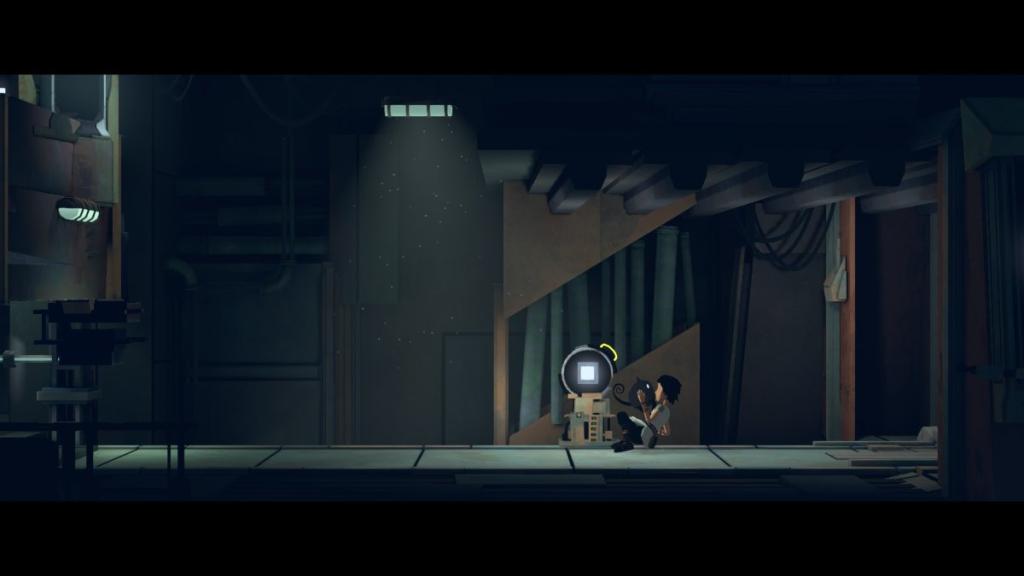
A key innovation is the expanded ability for players to transfer control to other lifeforms within the Novo world, with Mui’s consciousness seemingly capable of inhabiting different animals. This mechanic opens up a diverse range of new puzzle-solving opportunities. For instance, Mui can now remove blockades, use ink to disorient aquatic enemies, or, when inhabiting a beetle-like creature, induce rainfall to stimulate plant growth. This ability to interact with the environment in such varied ways not only injects an element of unpredictability into the puzzle-platforming sections but also introduces a learning curve for each new mechanic. This encourages players to think creatively and adapt their strategies, fostering a fresh and engaging gameplay experience.
Furthermore, Lana herself has undergone significant development. The demo showcases her newfound ability to climb and traverse walls, a subtle yet effective storytelling device that demonstrates her growth and learned resilience since the events of the first game. This expansion of Lana’s capabilities, though seemingly minor, reinforces her agency and competence in this new installment, contributing to the game’s overall sense of progression and polish. The synergy between Lana’s enhanced mobility and Mui’s multifaceted abilities creates a more dynamic and fluid gameplay experience, where players must strategically leverage the strengths of both characters to overcome increasingly complex challenges. The puzzles themselves have been refined, striking a delicate balance between Mui’s and Lana’s new abilities, and are presented with a greater level of complexity than those found in the original game. This ensures that the series maintains its reputation for delivering satisfying and engaging puzzle-solving experiences, while also feeling fresh and innovative.
A Living Canvas: The Enduring Artistic Vision
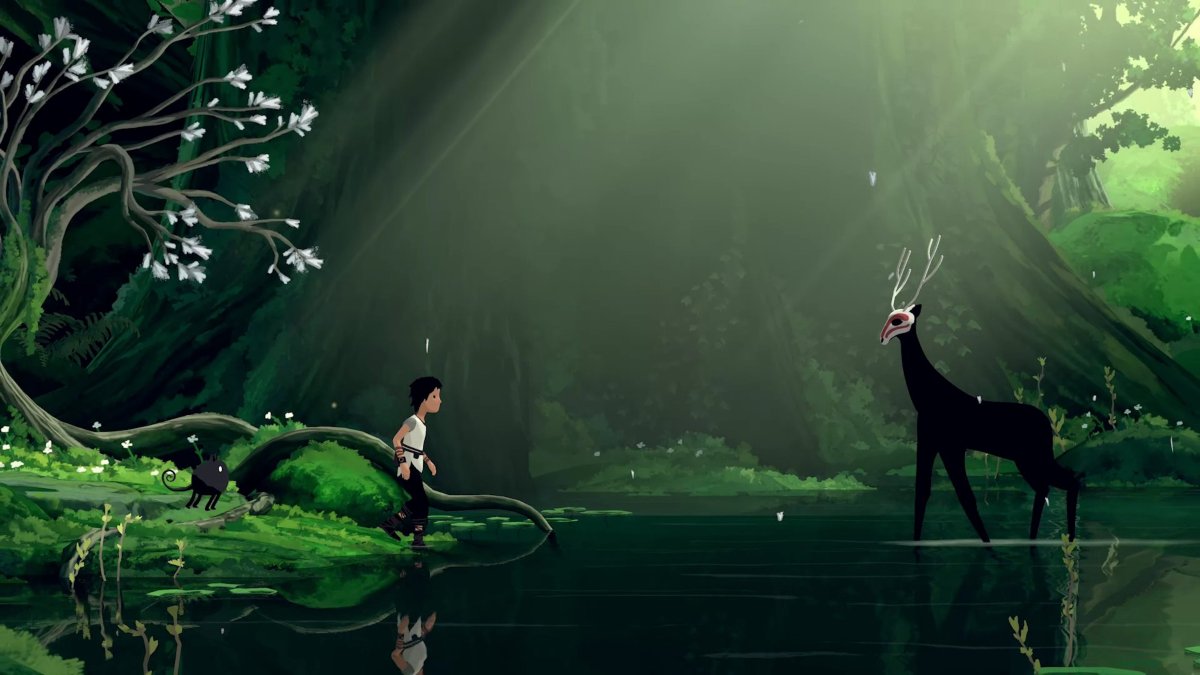
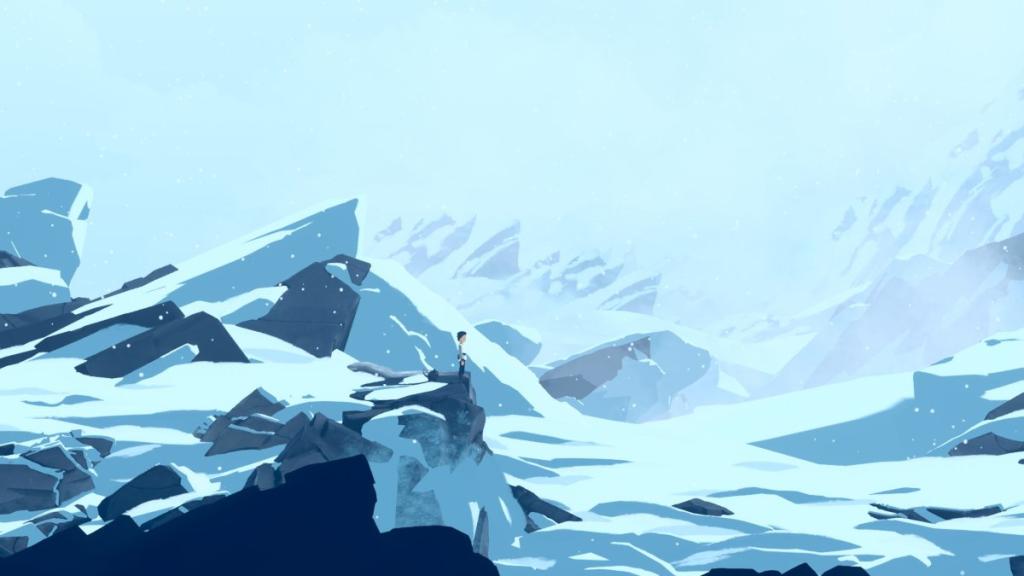
The visual presentation of Planet of Lana 2: Children of the Leaf remains a cornerstone of its appeal, mirroring and expanding upon the breathtaking art style that defined its predecessor. The environments are no longer mere backdrops for cinematic cutscenes but have evolved into dynamic, living ecosystems that contribute significantly to the game’s atmosphere and narrative immersion. The visual aesthetic draws comparisons to the rich, organic worlds found in animated masterpieces like The Wild Robot or Studio Ghibli’s Nausicaä of the Valley of the Wind, creating a palpable sense of place and wonder.
A particularly intriguing narrative element introduced in Children of the Leaf appears to be a nod to the legendary Princess Mononoke. The presence of what seems to be a "Forest Spirit" within Novo’s fauna adds a layer of mystery and suggests a deeper, perhaps even cosmic, intervention in the planet’s natural order. This mythological element further enriches the lore of Novo and its inhabitants, hinting at a story that transcends the immediate conflicts and delves into more profound themes of nature, spirituality, and balance.
While a full exploration of the soundtrack was not possible within the scope of the demo, the glimpses provided suggest that the musical score continues to be a vital component of the game’s experience. The music maintains the lovely, calming atmosphere that characterized the original, effectively reducing player stress and enhancing focus during challenging puzzle-solving sequences. This attention to auditory detail, combined with the stunning visuals, creates a cohesive and deeply immersive sensory experience that is integral to the Planet of Lana series. The dynamic nature of the environments, coupled with the evocative soundtrack, ensures that the world of Novo feels not just visually impressive but also alive and responsive to the player’s actions.
Unraveling the Journey: Narrative Ambiguity in the Demo
Despite the wealth of new gameplay features and the visually stunning world presented, the demo for Planet of Lana 2: Children of the Leaf leaves certain narrative questions deliberately unanswered. A primary observation from the demo is its strong emphasis on showcasing the sequel’s refined mechanics and expanded gameplay possibilities. Consequently, there is a notable absence of explicit plot exposition regarding Lana and Mui’s current objectives or the inciting incident that propels them into this new adventure. The narrative context provided is largely inferred from the interactions with other human characters who are shown to be investigating Mui’s unique abilities.
The feline-like companion, Mui, appears to be central to the unfolding events, but the specific reasons for Lana’s departure from her home and the nature of their current quest remain unclear. While the choice to present segments from five distinct chapters offers a comprehensive look at the game’s mechanics, it may not provide sufficient narrative grounding for players unfamiliar with the first Planet of Lana. A more comprehensive introduction to the sequel’s central conflict and the catalyst for Lana’s journey would have been beneficial, particularly for new players. Nevertheless, fans of the original title can anticipate a continuation of the high-quality experience, characterized by upgrades and thoughtfully designed puzzles.
Planet of Lana 2 is confirmed for release on March 5, 2026. The game will be available across multiple platforms, including Steam, Xbox Series X/S (with Xbox Game Pass availability), PlayStation 4 and 5, Nintendo Switch, and the upcoming Nintendo Switch 2. This broad release strategy ensures that a wide audience will have the opportunity to experience the next chapter in Lana and Mui’s compelling story. The anticipation for this sequel is high, fueled by the promise of expanded gameplay, a more intricate narrative, and the continuation of the series’ signature artistic brilliance.