


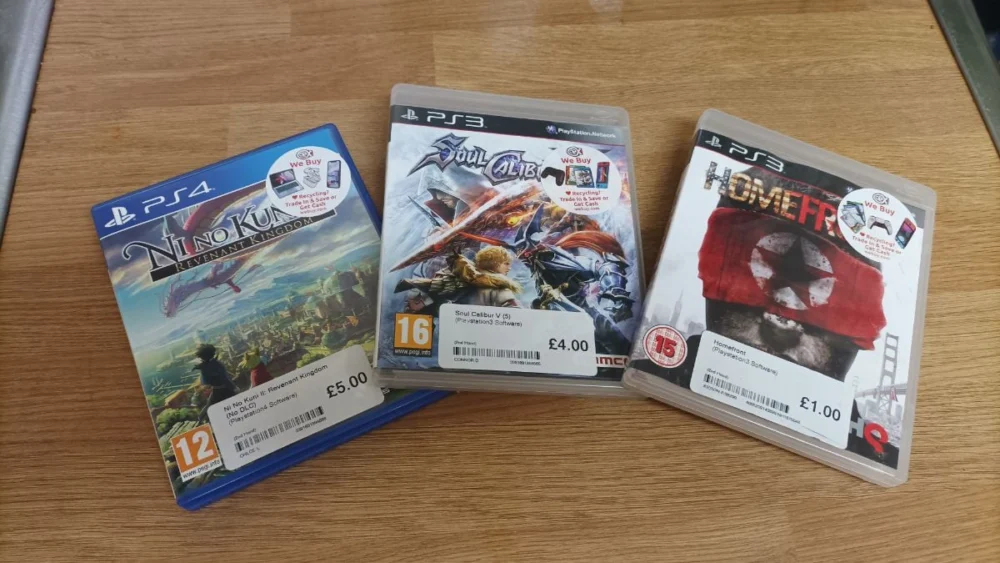
The weekend rush at a Milton Keynes CeX store paints a starkly different picture of the video game retail landscape compared to the current state of GameStop in North America. While the UK branch buzzes with activity, customers eagerly sifting through shelves laden with PlayStation 2, 3, Wii, Xbox 360, PS4, and PS5 games, North American GameStop outlets often present a quieter, more toy-centric atmosphere. This divergence has prompted discussions about GameStop’s recent strategic shift towards a retro gaming model, a move that observers suggest could mirror the success of the established UK chain, CeX.
A Tale of Two Retailers: CeX Thrives, GameStop Stumbles
The contrast between the two retail giants is striking, particularly for those familiar with both markets. CeX, a ubiquitous presence across the United Kingdom, operates on a model that embraces the buying, selling, and trading of a wide array of pre-owned electronics, including a robust selection of retro and current-generation video games, alongside movies and mobile devices. This multi-faceted approach has cultivated a loyal customer base and a vibrant community around the concept of pre-owned goods.
In contrast, GameStop, the dominant video game retailer in North America, has faced significant challenges in recent years. A decline in new game sales, increased competition from digital downloads, and a perceived lack of innovation have contributed to store closures and financial difficulties. The author’s personal experience highlights this disparity, noting that North American GameStop stores are often more heavily stocked with Funko Pop! figures and merchandise than actual video games, with a noticeable lack of foot traffic during typical operating hours.
The situation is further compounded by the state of GAME, the UK equivalent of GameStop. Many GAME stores have been integrated into Sports Direct locations, a stark indicator of their diminished market presence. Notably, GAME has ceased accepting trade-ins, a service that forms a cornerstone of CeX’s operational model and customer engagement. This decline in the UK’s primary video game retailer raises questions about the viability of traditional brick-and-mortar game stores in the current market.
GameStop’s Retro Gambit: A Potential Lifeline?
On August 28, GameStop announced its intention to rebrand and refit a portion of its stores to focus on a retro gaming model. This strategic pivot, as reported by sources such as the YouTube channel Spawn Wave, appears to have been implemented with limited preparation time for store employees. While the move has drawn some skepticism and even mockery from segments of the online gaming community, the potential for GameStop to emulate CeX’s success cannot be entirely dismissed.
The core of CeX’s enduring appeal lies in its deeply ingrained culture surrounding used games and pre-owned electronics. For over three decades, CeX has successfully built a business model that incentivizes customers to trade in their old items for store credit or cash, which can then be reinvested in acquiring new or used goods. This cyclical economy fosters customer loyalty and provides a constant influx of inventory.
The UK’s burgeoning retro gaming scene, fueled by nostalgia and the desire for more affordable gaming options, has found a natural hub in CeX. Dedicated YouTube channels like Retro Ghetto and TVM regularly feature "CeX hauls" and "hunt challenges," showcasing the treasures discovered in these stores. This online community engagement, in turn, drives further interest and traffic to physical CeX locations. The author notes the "rush" associated with visiting a CeX, emphasizing the thrill of discovery, even acknowledging the store’s somewhat awkward but memorable name.
The North American Challenge: Access and Affordability
The landscape for retro game enthusiasts in North America is significantly different. Independent game stores, while present in some urban centers, are not as widespread as CeX is in the UK. This leaves many consumers reliant on online marketplaces like eBay and Amazon, where prices can be inflated and shipping costs can add substantially to the overall expense. The author recounts personal struggles in building a retro game collection in Canada due to prohibitive reseller prices, underscoring the frustration of the North American market.
A successful GameStop Retro initiative could address these pain points by offering a more accessible and affordable avenue for acquiring older titles. Early reports from Spawn Wave suggest that GameStop Retro locations are demonstrating competitive pricing, with the YouTuber observing that "The prices [are] not terrible; I’ve seen much worse on like eBay [and] if it’s at a convention, good luck, right?" This suggests that GameStop Retro may be positioning itself as a viable alternative to the often-unpredictable pricing of online resellers and convention vendors.
Leveraging CeX’s Digital Blueprint
Beyond its in-store experience, CeX’s digital presence offers valuable lessons for GameStop. The CeX website is lauded for its transparency and user-friendliness. It provides real-time stock information for individual stores and clearly displays trade-in values, empowering customers with upfront knowledge. This contrasts with the often "mystery" aspect of visiting a GameStop, where trade-in values can be uncertain until the point of transaction. Implementing a similar level of digital transparency could significantly enhance customer trust and convenience for GameStop Retro.
The author’s personal experience highlights the satisfaction of building a substantial PS3 and PS4 library in the UK for mere pounds. Games like Alpha Protocol, Final Fantasy XIII, and PlayStation All-Stars Battle Royale, which offer unique gaming experiences not readily available on modern platforms, become accessible and affordable through CeX. This demonstrates the tangible benefit of a robust pre-owned market. If GameStop Retro can successfully replicate CeX’s value proposition – offering fair trade-in values and competitive prices for pre-owned games – it could indeed prove to be a viable strategy for the company’s turnaround.
Broader Implications and Future Outlook
The success of GameStop’s retro strategy hinges on several factors. Firstly, the ability to consistently source desirable retro titles at competitive prices will be crucial. Secondly, cultivating a community around these stores, similar to the online and in-person engagement seen with CeX, will be essential for long-term viability. This could involve in-store events, retro gaming tournaments, or partnerships with retro gaming influencers.
However, GameStop faces an uphill battle, not only in terms of market dynamics but also in rebuilding consumer trust. Recent controversial decisions, such as the shutdown of Game Informer and the associated layoffs, have cast a shadow over the company’s corporate practices. For GameStop Retro to truly succeed, it must not only offer compelling products and prices but also demonstrate a commitment to its customers and its employees.
The transition to a retro-focused model represents a significant gamble for GameStop. The company is betting on the enduring appeal of older gaming hardware and software, and the potential for a dedicated niche market to drive revenue. The UK’s CeX model provides a compelling case study of how such a strategy can be effectively implemented, fostering a loyal customer base and a thriving ecosystem around pre-owned goods. Whether GameStop can successfully adapt this model to the North American market, navigate its existing challenges, and ultimately achieve a revival remains to be seen. The coming months will be critical in determining if GameStop’s retro pivot is a strategic masterstroke or another chapter in its ongoing retail struggle.