

The Evolution of the 2026 Release Schedule
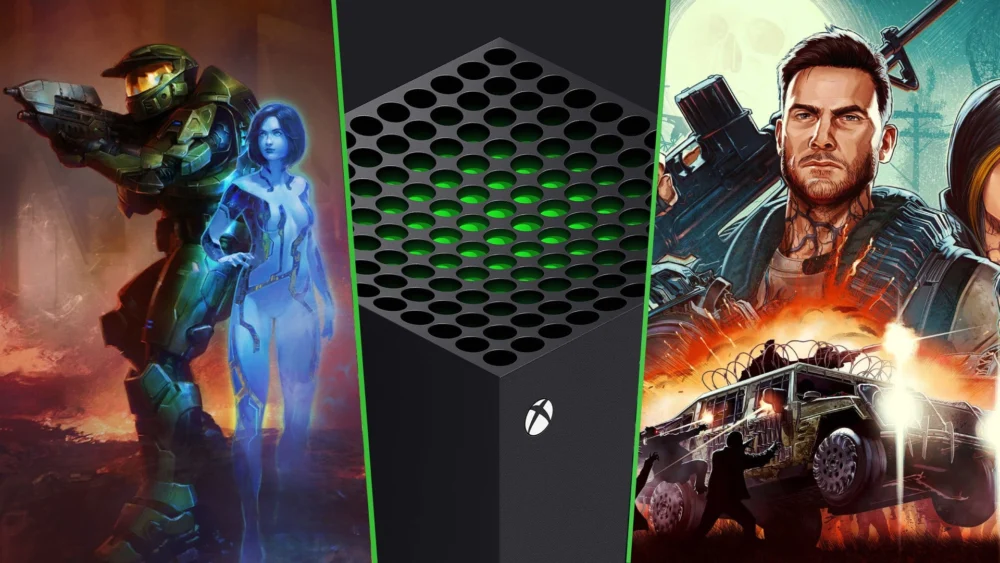
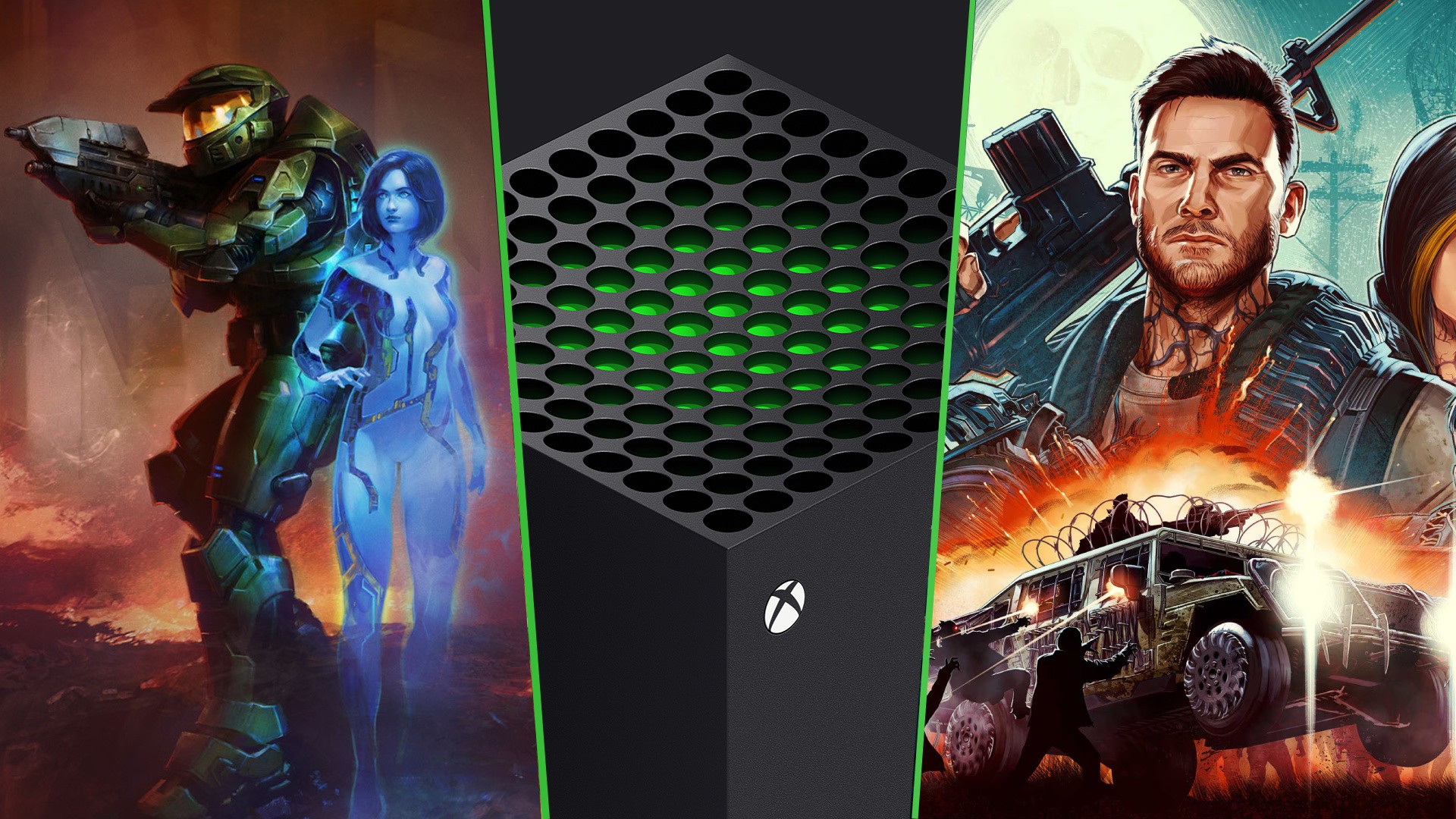
The gaming industry has entered a phase where mid-generation hardware optimization is paramount. For Xbox, 2026 serves as a litmus test for the Series S’s longevity alongside the more powerful Series X. Developers are increasingly utilizing advanced toolsets, such as Unreal Engine 5.4 and proprietary engines like Pearl Abyss’s BlackSpace Engine, to push the boundaries of environmental interaction and visual density. The March update to the 2026 forecast indicates a stabilization of release windows that were previously volatile due to post-pandemic production adjustments. Notable shifts include the definitive scheduling of titles like Replaced, which has seen its development timeline extended to ensure the "retro-futuristic" 2.5D aesthetic meets the high expectations of its audience.
Survival Horror and the Remake Trend: Fatal Frame 2: Crimson Butterfly
Leading the charge in the survival horror genre is the full remake of Fatal Frame 2: Crimson Butterfly, known internationally as Project Zero II. This project follows the successful revitalization of other classic horror franchises and aims to leverage the Xbox Series X’s ray-tracing capabilities to enhance its atmospheric lighting and shadow effects. The narrative remains centered on twin sisters Mio and Mayu Amakura as they navigate a "Lost Village" inhabited by hostile spirits. Technical specifications for the remake suggest a focus on 4K resolution at 60 frames per second on Series X, with spatial audio integration designed to heighten the tension of the Camera Obscura gameplay mechanics. Industry analysts view this remake as a strategic move to capture the growing market for Japanese-style horror, which has seen a resurgence in global popularity.
Cooperative Action and Licensed Properties
The 2026 lineup places a heavy emphasis on social gaming and established intellectual properties. John Carpenter’s Toxic Commando represents a significant collaboration between legendary filmmaker John Carpenter and Saber Interactive. The title utilizes the Swarm Engine—previously seen in World War Z—to render massive hordes of enemies simultaneously. The game’s premise involves a team of mercenaries fighting the "Sludge God," combining vehicular combat with first-person shooting mechanics.
Simultaneously, the fighting game community is anticipating Invincible Vs, a 3v3 tag-team fighter based on the popular comic and animated series. Developed to capitalize on the visceral, high-stakes nature of its source material, the game features bone-breaking combos and environmental destruction. The inclusion of such titles suggests a broader strategy by Microsoft to diversify its portfolio with high-intensity, "spectacle" games that appeal to both hardcore gamers and fans of mainstream media.
Role-Playing Games and Open-World Ambition
The RPG segment remains a cornerstone of the Xbox ecosystem. Monster Hunter Stories 3: Twisted Reflection continues Capcom’s successful spin-off series, shifting the focus from traditional hunting to monster-riding and turn-based strategy. This entry introduces the "Twin Rathalos" narrative arc, aiming to deepen the lore of the Monster Hunter universe while providing an accessible entry point for younger players.
In contrast to the stylized visuals of Monster Hunter, Crimson Desert represents the pinnacle of open-world technical ambition for 2026. Developed by Pearl Abyss, the game has transitioned from its original conception as an MMO to a focused single-player action-adventure. Players control Kliff, a mercenary navigating the continent of Pywel. The game’s development has been closely watched due to its impressive combat demonstrations, which feature a level of animation fluidity and environmental destructibility rarely seen in open-world titles. Analysts suggest that Crimson Desert could serve as a "system seller" for the Series X, demonstrating the console’s ability to handle complex physics and high-fidelity textures without compromising performance.
Narrative Innovation and Artistic Direction
The 2026 slate is also defined by its commitment to unique art styles and emotional storytelling. Life is Strange: Reunion marks a significant return for the franchise, bringing back fan-favorite characters Max and Chloe. The narrative structure allows players to toggle between characters, influencing the fate of Caledon through a series of moral dilemmas and supernatural interventions. Square Enix has indicated that this entry will be the most technically advanced in the series, utilizing motion capture and facial animation technology to convey more nuanced performances.
On the independent front, Replaced and MOUSE: P.I. For Hire represent the vanguard of artistic experimentation. Replaced utilizes a sophisticated blend of pixel art and 3D environments to create a dystopian 1980s America. The game’s protagonist, an AI trapped in a human body, provides a lens through which to explore themes of identity and societal decay. Meanwhile, MOUSE: P.I. For Hire has garnered significant attention for its 1930s "rubber hose" animation style. Drawing inspiration from early cartoons, the game is a first-person shooter that employs hand-drawn, frame-by-frame animations. This stylistic choice requires immense labor but offers a visual experience that is distinct from the photorealism pursued by AAA studios.
Mystery and Long-Term Development: Pragmata
Perhaps the most enigmatic title on the 2026 list is Capcom’s Pragmata. Since its initial reveal, the game has undergone several internal delays, with Capcom citing a commitment to creating an "unforgettable experience." Set in a near-future lunar research station, the game follows a protagonist named Hugh and his android companion Diana. While specific gameplay details remain scarce, the project is viewed as a significant investment in new IP for Capcom, potentially utilizing the full suite of Series X features, including advanced haptic feedback and near-instant load times via the Velocity Architecture.
Chronological Outlook and Market Analysis
The distribution of these titles throughout 2026 suggests a strategy of sustained engagement rather than a single "blockbuster" window.
- Q1 2026: Focus on remakes and established RPG expansions to maintain momentum from the previous holiday season.
- Q2 2026: Launch of mid-tier "AA" titles and unique indie projects like MOUSE to fill the traditional spring lull.
- Q3 2026: Major cooperative releases and licensed fighters designed to drive engagement during the summer months.
- Q4 2026: High-fidelity open-world epics and flagship narrative adventures aimed at the holiday market.
Market data indicates that the Xbox Series X|S install base is expected to surpass 45 million units by the end of 2026. This growing audience provides a robust foundation for software sales and Game Pass subscriptions. Microsoft’s strategy of day-one releases on Game Pass remains a disruptive force, particularly for titles like Replaced and Toxic Commando, which benefit from the platform’s ability to lower the barrier to entry for new players.
Technical Implications and Developer Sentiment
Developers working on the 2026 lineup have frequently cited the "parity" requirement between Series X and Series S as both a challenge and a creative constraint. However, official statements from studios like Pearl Abyss and Sad Cat Studios suggest that the optimization process has led to more efficient engine designs that benefit all platforms. The 2026 games are expected to utilize "DirectStorage" more effectively, reducing load times to negligible levels and allowing for more seamless world transitions.
Furthermore, the integration of cloud gaming continues to evolve. Several titles on the 30-game list are being developed with "cloud-aware" features, ensuring that players on mobile devices or older hardware can still participate in the 2026 ecosystem. This inclusivity is central to Microsoft’s "Everywhere" gaming philosophy.
Conclusion: A Definitive Year for the Platform
As 2026 progresses, the Xbox Series X|S library is set to reach a level of depth and variety that rivals any previous console generation. The mix of nostalgic remakes, innovative new IPs, and high-budget spectacles ensures that the platform remains competitive in an increasingly crowded market. While delays and schedule adjustments are an inherent part of modern game development, the current March update provides a clear and ambitious vision for the future of Xbox. The focus on technical excellence, artistic diversity, and subscription-based accessibility positions 2026 as a landmark year for both Microsoft and the broader gaming community.